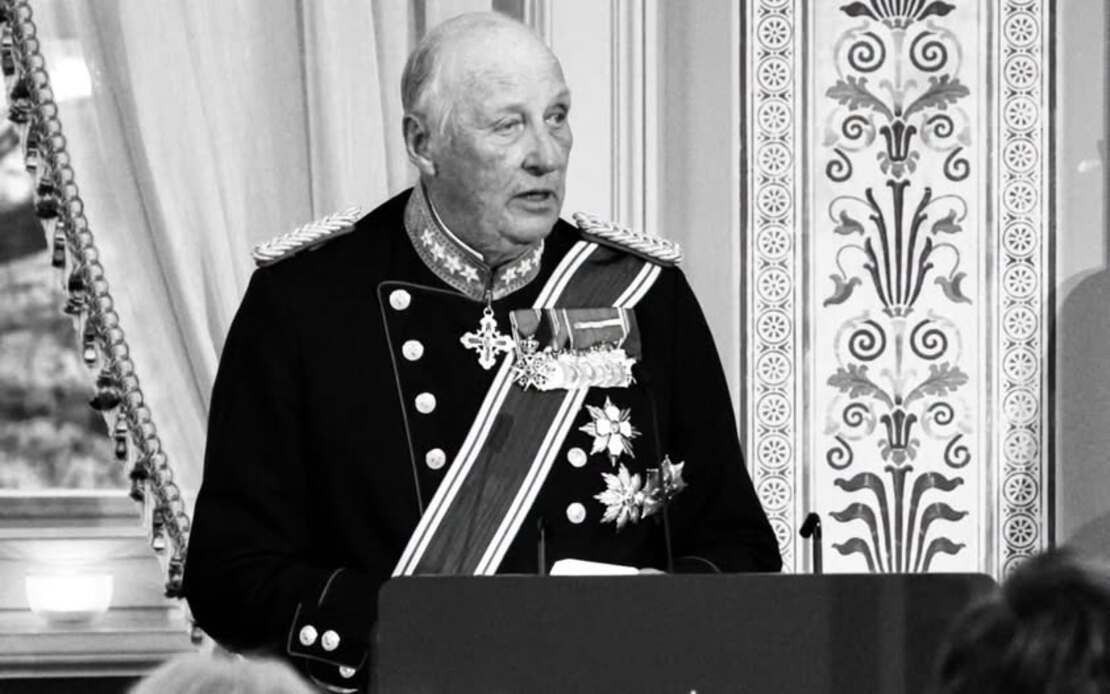
Prime Minister Datuk Seri Anwar Ibrahim has conveyed Malaysia's condolences to the Norwegian people following the death of King Harald V, who passed away on Friday at the age of 89. The monarch, who had been hospitalised since August 17 at the National Hospital in Oslo, succumbed to complications from hemolytic anemia, for which he was undergoing cortisone treatment. In a statement released through his Facebook account, Anwar paid tribute to the late sovereign's vision of inclusive nationhood and his steadfast commitment to duty.
Anwar highlighted King Harald's remarkable ability to articulate what it truly means to be Norwegian in an increasingly multicultural society. The Prime Minister quoted the late king's recognition that Norway comprised citizens whose family origins spanned continents—from Afghanistan and Pakistan to Poland and beyond—yet all remained equally Norwegian. This inclusive perspective, Anwar emphasised, demonstrated how nations gain resilience and strength not through uniformity but through extending dignity and respect to all members of society, regardless of their background or heritage.
The Malaysian leader further underscored King Harald's unwavering dedication to the constitutional responsibilities he bore throughout his reign. Anwar reflected that the late king's career exemplified a profound understanding of the weight carried by formal oaths and the paramount importance of honouring commitments made to one's people. Such steadfastness in upholding the duties of his office, coupled with his modernising vision for Norwegian society, established King Harald as a figure whose legacy transcended his own kingdom.
King Harald V's passing marks the end of a historic reign that began in 1991 and witnessed Norway navigate significant economic and social transformations. During his decades as reigning monarch, he presided over a nation transformed by oil wealth, European integration debates, and demographic shifts arising from immigration. His ability to remain relevant and resonant across these periods of change reflected a sophisticated understanding of constitutional monarchy's evolving role in contemporary democracies.
The Malaysian government's expression of sympathy carries particular weight given the two nations' shared commitment to democratic values and rule of law. Although geographically distant and culturally distinct, Malaysia and Norway have maintained cordial diplomatic relations built on multilateral cooperation through organisations such as the United Nations. Norway's longstanding reputation as a beacon of transparency, social welfare, and democratic governance has earned it international respect, while its substantial investments and business interests in Southeast Asia connect it meaningfully to the region's economic fabric.
Anwar's personal tribute reflected his government's recognition that the passing of long-reigning monarchs carries symbolic significance beyond national borders. King Harald's reign coincided with Norway's emergence as a global leader in renewable energy, sustainability initiatives, and development assistance—areas where Malaysia increasingly seeks partnership and knowledge exchange. The late king's emphasis on bridging cultural divides and fostering inclusive societies resonates with Malaysia's own aspiration, articulated repeatedly by Anwar, to build a united nation encompassing diverse communities.
The timing of King Harald's death invites reflection on the challenges facing established democracies in maintaining social cohesion amid globalisation and migration. Norway, despite its reputation for stability and prosperity, has grappled with similar tensions around identity and belonging that preoccupy many nations, developed and developing alike. King Harald's public affirmation that immigrants and their descendants constituted fully legitimate members of the Norwegian body politic provided principled leadership on these contentious issues—a model that carries instructive value for multiethnic societies throughout Southeast Asia.
Funeral arrangements and the formal succession to his son, Crown Prince Haakon, will unfold according to Norwegian constitutional procedures refined over centuries of monarchical tradition. Malaysia, as a constitutional monarchy itself with its own traditions of ceremonial succession and statecraft, shares certain institutional frameworks with the Nordic kingdom, even as the specific forms and historical contexts differ substantially. The comparison underscores how different societies have developed distinct yet functional approaches to integrating hereditary monarchy within democratic systems.
Anwar's condolence message served simultaneously as a diplomatic courtesy and a substantive reflection on governance principles. By emphasising King Harald's commitment to inclusive nationalism and constitutional duty, the Prime Minister implicitly endorsed those values as exemplary for Malaysian society. At a time when Malaysia continues navigating questions of national identity, religious diversity, and equitable development, the example of a long-reigning European monarch who championed pluralism and institutional integrity offers both symbolic encouragement and practical inspiration for policymakers.
The passing of King Harald concludes a remarkable chapter in European monarchy and Norwegian history. His reign witnessed the transformation of a small Nordic nation into a global economic powerhouse while maintaining social solidarity and democratic vitality. Malaysia's formal expression of mourning reflects both customary international protocol and genuine recognition that the world has lost a significant voice for democratic values, constitutional governance, and inclusive leadership—principles that transcend borders and resonate across diverse political systems and cultures throughout the contemporary international order.

