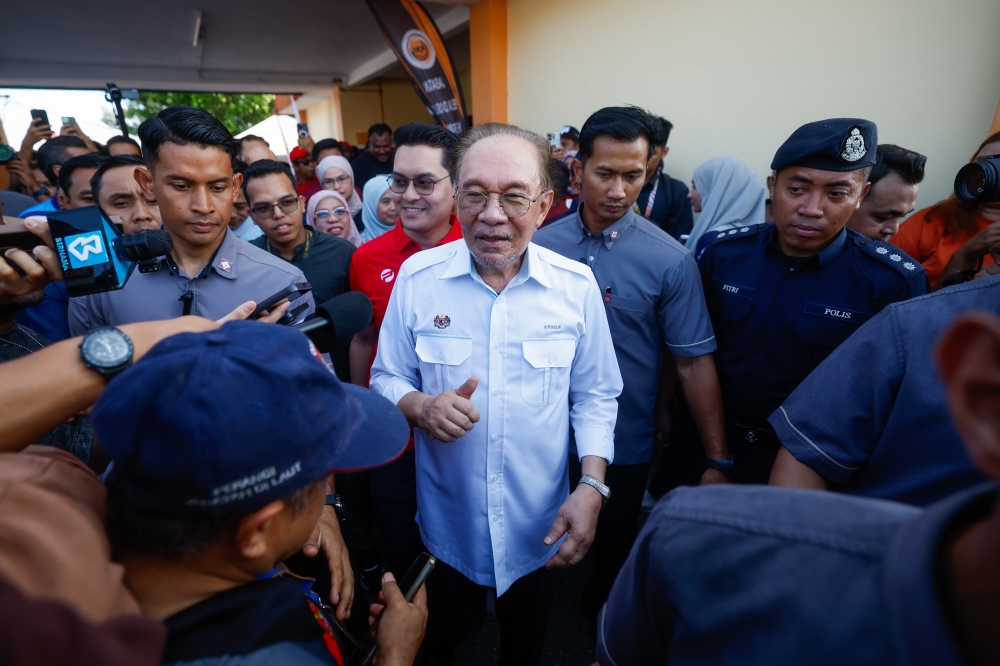
Prime Minister Datuk Seri Anwar Ibrahim has successfully completed an elective laparoscopic surgical procedure, with attending physicians confirming the operation went according to plan. The medical team overseeing the Prime Minister's care has instituted comprehensive monitoring protocols to ensure his recovery proceeds without complications during the critical post-operative phase.
The surgical intervention was conducted as a planned medical procedure rather than an emergency intervention, indicating it had been scheduled in advance following proper clinical assessment. Laparoscopic techniques, which involve minimally invasive approaches using small incisions and camera-guided instruments, typically result in shorter recovery periods and reduced trauma compared to traditional open surgery. The choice of this method reflects contemporary surgical best practices aimed at optimizing patient outcomes while minimizing physical stress on the body.
Physicians attending to Malaysia's chief executive have implemented stringent surveillance measures throughout his hospitalization. These protocols encompass continuous monitoring of vital signs, regular clinical assessments, and preventive measures to mitigate post-operative risks such as infection or blood clot formation. The intensity of medical oversight reflects both the importance of the patient and standard care expectations for major surgical procedures in senior government officials.
The timing of the procedure during the parliamentary calendar has potential implications for Malaysia's legislative agenda and government operations. While elective surgery undertaken by a sitting prime minister requires careful coordination with state business to minimize disruption, the successful completion and anticipated recovery trajectory suggest continuity in executive functions. Deputy leadership structures and cabinet coordination mechanisms would have been activated to ensure administrative continuity during the period of medical recuperation.
For Malaysian observers, the situation underscores the importance of transparent communication regarding the health status of senior political figures. Public confidence in government stability often correlates with clear, factual information about leadership capacity and expected operational disruptions. Medical bulletins from official sources help dispel speculation and maintain institutional steadiness during periods when the chief executive requires medical attention.
The broader Southeast Asian context reveals that major surgery affecting prime ministers or presidents occasionally occurs within the region, prompting similar organizational adjustments. Thailand, Singapore, and Indonesia have each navigated comparable situations, typically managing them through established succession protocols and transparent health disclosures. Malaysia's handling of this medical event reflects regional norms of balancing privacy with public information needs.
Anwar Ibrahim's medical situation also touches upon a recurring challenge in Southeast Asian governance: ensuring executive continuity while maintaining constitutional frameworks during periods of temporary incapacity. The Prime Minister's Office and related government structures have presumably activated constitutional provisions allowing for delegation of specific authorities during recovery, maintaining governmental functions without requiring extraordinary measures.
The post-operative phase represents a critical window during which complications might emerge, necessitating the sustained medical vigilance referenced by attending physicians. Recovery timelines for laparoscopic procedures typically span several weeks, though the ability to resume full executive duties may be determined through staged return-to-work protocols rather than a binary restoration point. Malaysian administrative mechanisms likely accommodate such phased resumption through flexibility in scheduling and workload management.
International observers, including neighboring governments and economic partners, would be monitoring this situation with interest given Malaysia's regional economic and diplomatic importance. Assurance of stable, continuous government leadership carries implications for bilateral relations, investment climate assessments, and the country's ability to fulfill international commitments. Standard diplomatic channels typically receive confidential briefings regarding significant health events affecting government leaders to prevent market disruption or misinterpretation of national stability.
The successful completion of the surgical procedure represents a positive clinical outcome that allows Malaysian governance to proceed with reasonable expectation of continuity. Public focus now shifts toward the expected recovery trajectory and the resumed executive engagement timeline. Subsequent medical bulletins updating the Prime Minister's convalescence progress will likely prove important for maintaining public confidence and international reassurance regarding Malaysia's institutional stability during this period.

