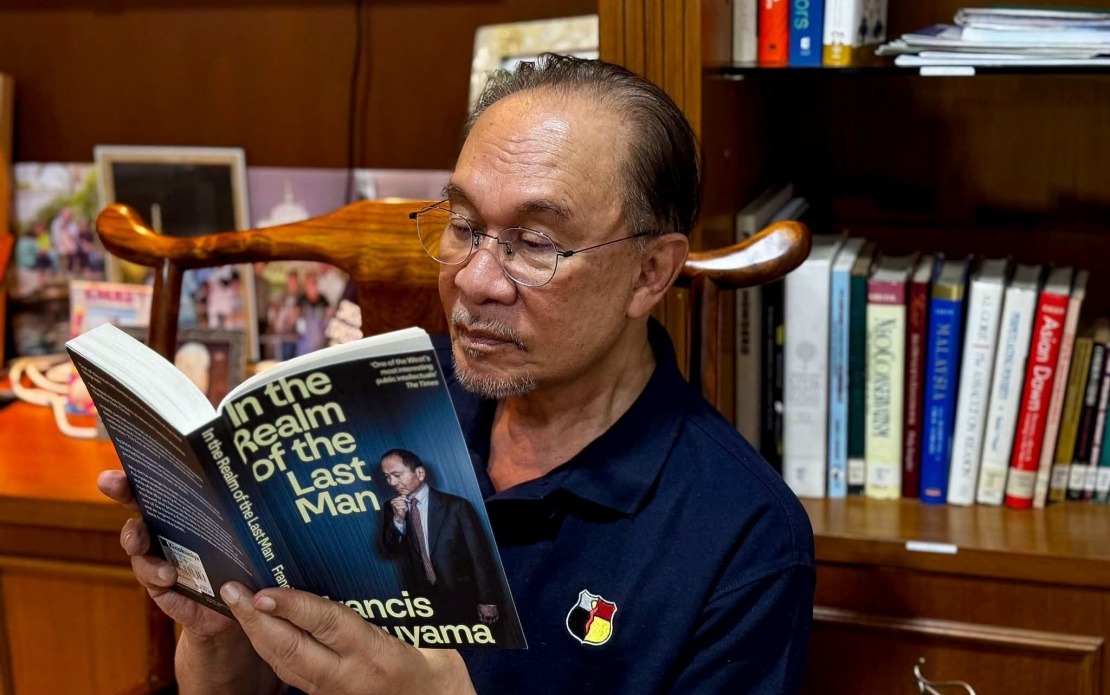
Prime Minister Datuk Seri Anwar Ibrahim has returned to his residence after being released from hospital, marking the successful completion of his planned surgical treatment. The head of government shared news of his homecoming through social media on the evening of his discharge, posting an image that showed him relaxing with a book alongside a caption expressing gratitude for his safe recovery. The milestone represents a return to normalcy for Malaysia's top elected official following a brief but medically necessary hospital stay.
The timing of the discharge had been anticipated by his medical team, with expectations set for the release to occur on the day it materialised. Datuk Seri Dr Wan Azizah Wan Ismail, the Prime Minister's spouse, had previously indicated to media representatives that her husband would be cleared to leave medical care once his doctors determined he was sufficiently recovered and stable for home-based recuperation.
The surgical intervention that prompted the hospital admission was an elective laparoscopic procedure intended to address a para-umbilical hernia. The technique employed—minimally invasive laparoscopy—represents a modern surgical approach that typically results in smaller incisions, reduced tissue trauma, and faster recovery periods compared to open surgical alternatives. This choice of methodology underscores the planning that went into scheduling the operation as an elective rather than emergency procedure, allowing clinicians to select the most appropriate technique for the patient's circumstances.
The para-umbilical hernia condition that required treatment involves weakening of the abdominal wall near the navel area, potentially allowing tissue to protrude. While such hernias are not immediately life-threatening, they can cause discomfort and may worsen over time if left unaddressed. The decision to pursue surgical correction reflects a preventive approach to healthcare management, addressing the issue before it could develop into a more complicated state.
Throughout his hospital stay, the Prime Minister remained under the careful supervision of a specialised medical team, with physicians and healthcare professionals maintaining continuous observation to ensure optimal recovery from the surgical procedure. This level of intensive monitoring is standard protocol for any surgical intervention, regardless of the patient's position or circumstances, ensuring that any potential complications could be identified and addressed promptly. The successful completion of this oversight phase and the decision to discharge him from inpatient care indicates that his recovery trajectory met all clinical parameters established by his medical advisors.
The situation reflects broader considerations about leadership continuity and the management of senior officials' health in a functional democracy. When high-ranking government figures require medical procedures, the balance between maintaining public confidence and respecting individual privacy becomes a delicate matter. The disclosure of the surgical procedure and its successful outcome, communicated directly by the Prime Minister and his office, exemplifies an approach that combines transparency with dignity.
For Malaysia's economic and political environment, the rapid return to duties by the chief executive carries significance beyond mere symbolic value. The Prime Minister's portfolio encompasses critical oversight of national economic policy, cabinet coordination, and representation in international forums. His ability to resume these responsibilities promptly suggests operational continuity for government functions during what could otherwise have been an extended period of uncertainty regarding leadership availability.
The laparoscopic approach chosen for this procedure carries advantages that likely influenced the medical decision-making process. Beyond the reduced trauma and faster healing associated with minimally invasive techniques, patients typically experience less postoperative pain and can return to normal activities more quickly than those who undergo conventional open surgery. This clinical advantage aligns well with the apparent expectation that the Prime Minister would be discharged just days after the procedure.
The public nature of the discharge notification, communicated through modern social media channels, reflects contemporary approaches to government communication. Rather than relying solely on traditional press briefings or official statements, the Prime Minister chose to share his recovery milestone directly with the public, creating an immediate and personal connection with citizens and demonstrating that he was sufficiently recovered to manage his own communications.
From a healthcare management perspective, this episode demonstrates the quality of medical facilities and expertise available within Malaysia's healthcare infrastructure. The successful execution of the surgical procedure and the professional post-operative care provided indicate the high standards maintained by Malaysia's medical institutions, whether private or public sector facilities were involved in this case.
Moving forward, the Prime Minister is expected to follow standard post-surgical recovery protocols during his home recuperation phase. While the laparoscopic technique minimises disruption compared to open surgery, a period of measured activity and careful attention to wound care remains important during the initial healing weeks. The phased return to full duties, particularly those requiring extended periods of standing or engaging in strenuous activity, would typically be guided by his physicians' recommendations.

