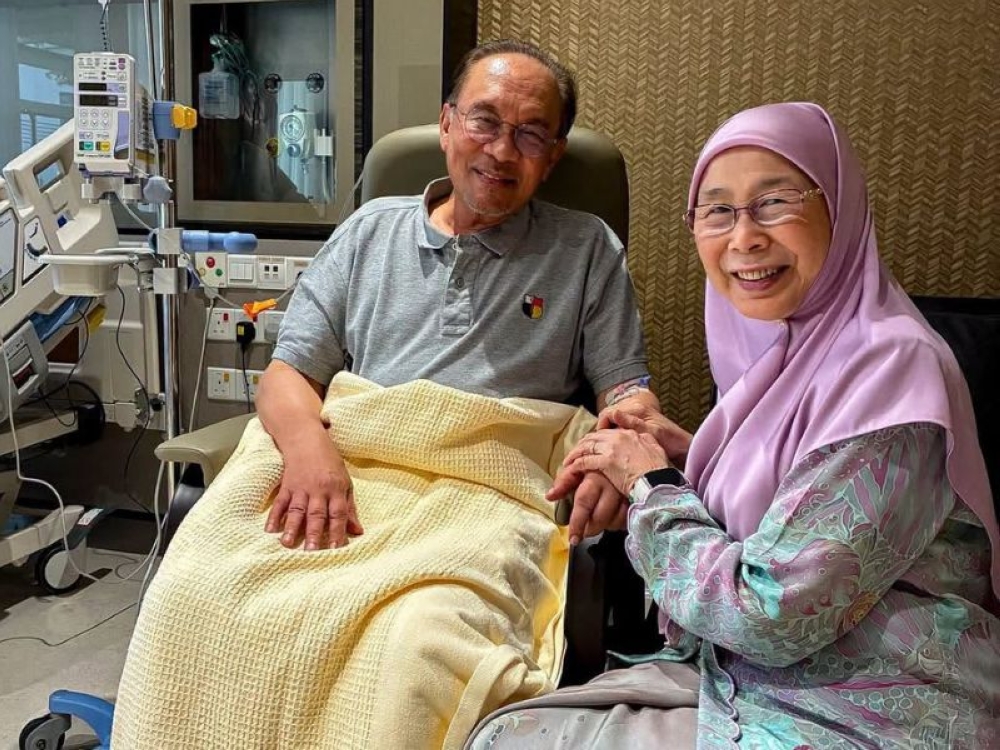
Prime Minister Datuk Seri Anwar Ibrahim is anticipated to leave the hospital today after undergoing treatment for a hernia condition. The announcement came from his wife, who confirmed that the Malaysian leader's medical procedure has progressed favourably and that he is on track for discharge.
The Prime Minister's hernia surgery was carried out as part of preventive healthcare measures to address the condition before any complications could arise. Such procedures are routinely performed and typically do not require extended hospitalisation for individuals in stable health conditions. The decision to undergo the operation reflects a proactive approach to personal wellness, particularly important for high-ranking government officials who maintain demanding schedules.
Datuk Seri Anwar Ibrahim's medical leave represents a brief interruption to his official duties, though the machinery of government continues to function under established protocols during such absences. The Prime Minister's office would have coordinated necessary arrangements to ensure continuity of critical governmental operations and decision-making processes during his hospitalisation period.
The timing of the procedure and recovery aligns with Malaysia's regular parliamentary and administrative calendar. As one of Southeast Asia's most visible political leaders, the Prime Minister's health status carries implications for investor confidence, political stability, and the nation's governance landscape. Markets and observers typically respond positively to transparent communication regarding leaders' medical situations, as it demonstrates institutional preparedness and clear succession planning frameworks.
An inguinal hernia, the most common type of hernia affecting men, develops when tissue pushes through a weakness in the abdominal muscle wall. Surgical repair is a standard and highly successful procedure with minimal complications when performed on otherwise healthy individuals. The minimally invasive techniques available today allow for quicker recovery periods and earlier return to normal activities compared to traditional open surgery methods.
For a sitting Prime Minister, balancing health requirements with governmental responsibilities presents a delicate equation. The brief hospitalisation necessitates delegation of urgent matters to deputy ministers and cabinet colleagues, a process that has become routine within Malaysia's ministerial structure. Such arrangements ensure that critical national issues receive appropriate attention regardless of individual absences.
The public disclosure of the Prime Minister's medical procedure reflects contemporary standards of transparency in Malaysian governance. Unlike earlier eras when leaders' health conditions remained strictly private, current practice involves measured communication to maintain public confidence and prevent speculation. This openness, while protecting individual privacy regarding sensitive medical details, ensures that citizens and stakeholders understand any impact on governance continuity.
Datuk Seri Anwar Ibrahim's expected swift recovery underscores the quality of Malaysia's healthcare facilities and medical expertise. Private and public hospitals within the country have consistently demonstrated capability in treating high-profile patients with specialised surgical needs. The successful management of the Prime Minister's procedure reinforces confidence in domestic medical services among both the public and international observers.
The hernia surgery represents a relatively minor health matter in the context of leadership demands and national priorities. Nevertheless, it serves as a reminder of the importance leaders place on personal health maintenance, setting an example for public figures across Malaysia. Regular health check-ups and proactive medical intervention, when necessary, form part of responsible personal wellness practices that prominent individuals can model for the broader population.
With the Prime Minister expected to resume his full range of duties shortly after discharge, Malaysia's political and administrative landscape should experience minimal disruption. The successful conclusion of his medical treatment demonstrates the resilience of governmental institutions and the effectiveness of succession protocols established within the Prime Minister's office. As the nation moves forward, attention will return to the various policy initiatives and regional engagements that have characterised the current administration's tenure.

