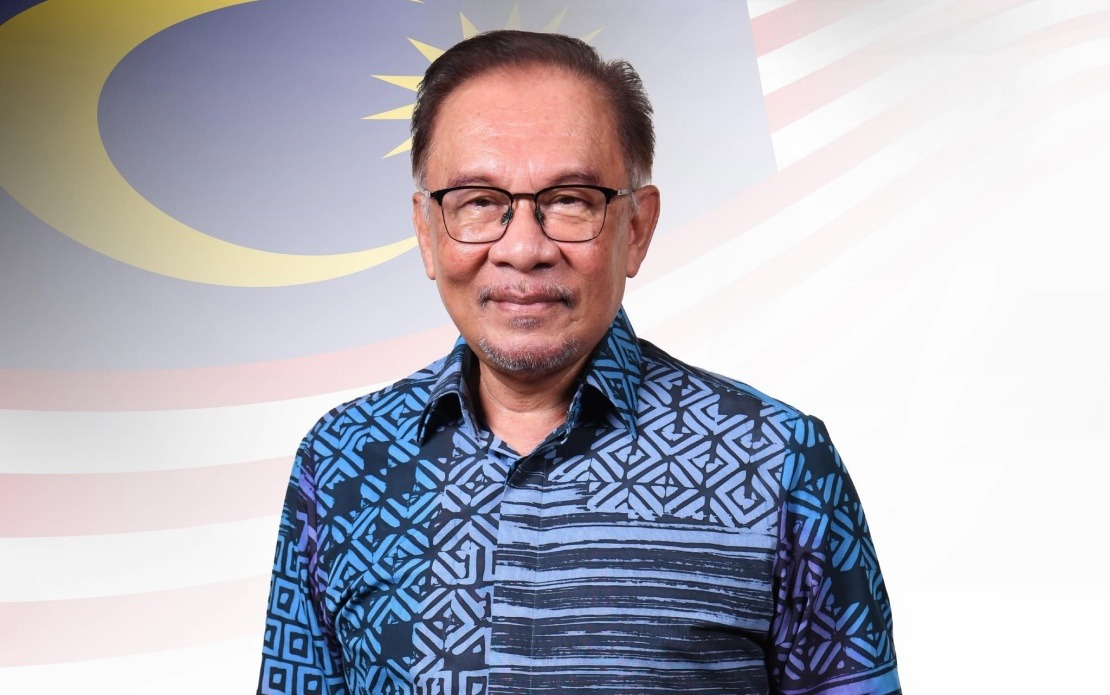
Prime Minister Datuk Seri Anwar Ibrahim is currently undergoing a series of medical examinations and therapeutic procedures that have been recommended by his team of specialist doctors. The announcement, made through his office on August 10, provides limited details about the nature of the medical intervention, reflecting the typical practice of maintaining discretion regarding the health matters of senior government officials.
Tunku Nashrul Abaidah, the Prime Minister's Senior Press Secretary, confirmed that Anwar is expected to require a two-day period of clinical observation following the examinations and procedures. During this time, he will remain under the care of the medical team to ensure that his recovery proceeds without complications and to monitor his overall condition. The decision to keep him under observation reflects standard medical protocol when specialists prescribe comprehensive evaluations or treatments for high-ranking officials.
The statement released by the Prime Minister's office struck a measured tone, requesting public support and prayers for a smooth process. The phrasing suggests confidence in the medical team's approach whilst acknowledging the importance of continued well-being for the nation's chief executive. Such announcements serve to inform the public whilst respecting the privacy traditionally afforded to political leaders regarding personal health matters.
For Malaysia's political landscape, the timing and nature of such medical leave carries implications for government continuity. Though the Prime Minister is expected to resume his duties shortly after the observation period concludes, any extended absence at the top level naturally raises questions about succession protocols and the delegation of authority. Malaysia's constitutional framework provides mechanisms for temporary transfers of power when the Prime Minister is unable to discharge his functions, though no indication has been given that such measures would be necessary in this instance.
The focus on specialist care underscores the sophisticated medical resources available to Malaysia's highest office holders. The Prime Minister has access to teams of expert physicians who can coordinate comprehensive evaluations and treatment plans. This reflects both the resources allocated to the executive branch and the importance the government places on ensuring that its leaders maintain optimal health to execute their responsibilities effectively.
Public reactions to such announcements typically blend concern with expressions of goodwill. For a nation where the Prime Minister's health directly affects political stability and policy continuity, reassurance that medical professionals are actively managing the situation serves to maintain confidence in governance structures. The two-day observation window is relatively brief, suggesting that whilst the medical procedures warrant specialist oversight, the condition is not anticipated to result in prolonged incapacity.
This episode also highlights the broader challenge that high-office holders across Southeast Asia face in balancing transparency with privacy regarding health matters. Unlike some Western democracies where detailed medical disclosures are routine, Malaysian convention typically maintains greater confidentiality. The current statement provides just enough information to acknowledge the situation and reassure the public without divulging specifics that might be considered overly personal.
The invocation of religious sentiment in the press secretary's statement—the use of "insya-Allah"—reflects the cultural and spiritual context within which Malaysian leadership operates. Such phrasing acknowledges both medical expertise and faith, a common approach in a nation where Islam holds constitutional significance and where invoking divine blessing is a natural part of public discourse.
Looking forward, the successful completion of these medical examinations and the Prime Minister's return to full duties will likely be communicated to the public once the observation period concludes. Should there be any significant developments or if the recovery timeline extends beyond current expectations, further statements would presumably be issued. For now, the government's approach emphasizes normalcy and confidence in the medical process, with the expectation that Anwar will resume his position without major disruption to the administration's operations.

