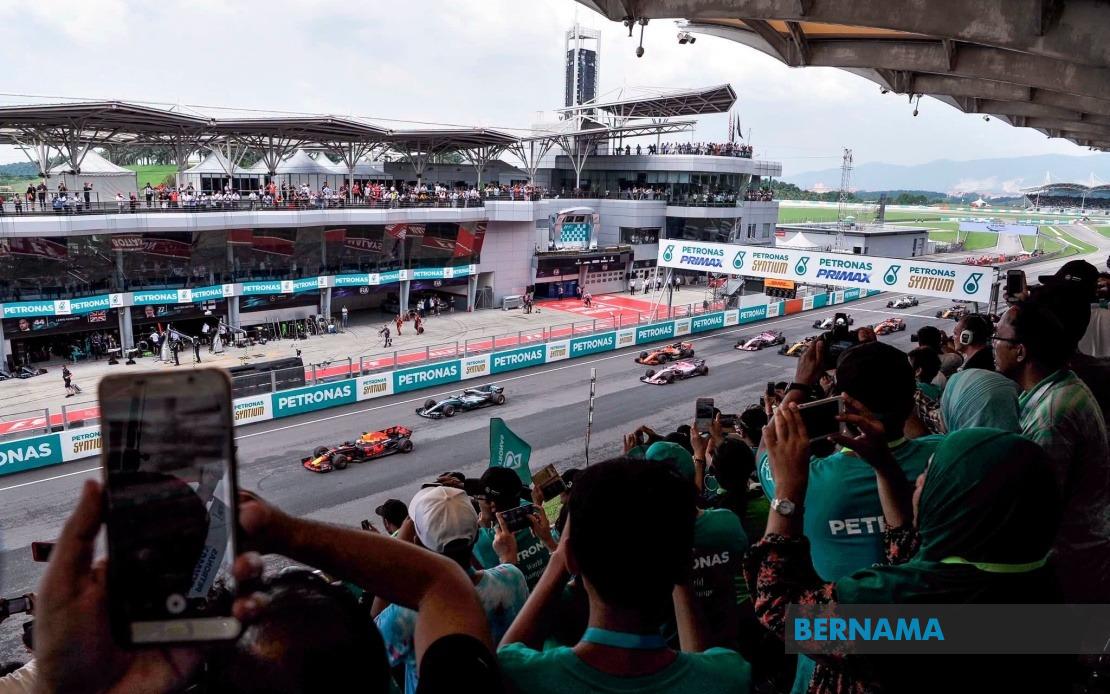
Prime Minister Datuk Seri Anwar Ibrahim has unveiled a sweeping ticketing initiative designed to make Formula 1 accessible to ordinary Malaysians, announcing MADANI-branded tickets starting at just RM200 for holders of a valid MyKad. The discounted passes will grant three-day access to the Gulf Air Bahrain Grand Prix, scheduled to take place at Sepang International Circuit from October 2 to 4, 2026, marking a significant moment for motorsport in Malaysia after nearly a decade without an F1 race on home soil.
The announcement, made through a Facebook post on August 15, reflects months of deliberation within government circles about how to maximise public participation in one of motorsport's most prestigious events. Anwar explained that the initiative emerged from careful consideration undertaken several weeks prior, culminating in formal discussions and mutual agreement with Bahrain's authorities. The partnership between both nations underscores the diplomatic dimensions of hosting major sporting events in Southeast Asia, particularly given the geopolitical complexities that initially delayed the Bahrain Grand Prix itself.
The timing of this announcement carries particular weight within Malaysia's contemporary political landscape. By framing affordable access as a MADANI initiative—referencing the government's broader development agenda—Anwar has effectively positioned F1 accessibility as a component of his administration's social contract with ordinary Malaysians. The RM200 entry point represents a deliberate effort to broaden the demographic of F1 spectators beyond the affluent segments who traditionally dominate paddock attendance at major races. For a motorsports enthusiast earning a modest salary, this pricing structure effectively democratises access to an experience previously confined to wealthier demographics.
Sepang International Circuit's return to the F1 calendar represents a triumphant reversal of a two-decade hosting absence. The venue last hosted the Malaysian Grand Prix in 2017, a tenure spanning from 1999 that showcased Malaysia's capabilities as a major motorsports hub. The circuit's removal from the calendar reflected mounting financial pressures—escalating hosting costs and international licensing fees had rendered the race economically unsustainable for the previous administration. The resurrection of F1 racing at Sepang therefore signals not merely a sporting comeback but also government confidence in Malaysia's economic capacity to support world-class international events.
The geopolitical backstory enriches understanding of this announcement's significance. The Bahrain Grand Prix was originally scheduled for April at the Bahrain International Circuit but faced postponement due to regional security concerns and tensions across West Asia. This relocation to Malaysia represents a creative diplomatic solution, transforming potential cancellation into an opportunity for Southeast Asia's motorsports infrastructure. The arrangement demonstrates how sporting events can transcend purely athletic dimensions to serve broader regional cooperation objectives, particularly within an era when hosting major events increasingly depends on managing complex international political considerations.
The announcement's reliance on forthcoming details from SIC itself suggests a deliberate sequencing of information release designed to maintain public momentum. By withholding granular details regarding sales mechanisms, seating categories, and precise allocation procedures, the government has effectively created an information window during which anticipation can build. This strategic withholding serves multiple purposes: it allows SIC time to establish ticketing infrastructure, it prevents premature demand that could overwhelm booking systems, and it maintains Anwar's narrative control over the initiative's unveiling.
For Malaysian readers unfamiliar with F1's economics, understanding why previous hosting arrangements collapsed provides crucial context. Formula 1 franchises command substantial fees from circuit operators, encompassing global broadcasting rights, paddock access, and track modifications. Bahrain and other Gulf states have historically absorbed these costs through government subsidies, leveraging sporting prestige to bolster regional soft power. Malaysia's renewed participation suggests that the current administration has committed equivalent financial support, positioning F1 return as a priority investment in national sporting infrastructure and tourism positioning.
The MADANI branding itself warrants examination. Rather than presenting this initiative through conventional public relations channels, Anwar's decision to announce it via his personal Facebook presence personalises the gesture, creating direct association between the Prime Minister and affordable sporting access. This representational strategy reflects how contemporary political leadership increasingly operates through social media, bypassing traditional media gatekeeping to address constituencies directly. For younger Malaysian voters particularly, this approach generates a perception of government attentiveness to popular interest in entertainment and sporting experiences.
The three-day pass structure merits consideration alongside broader festival and entertainment economics. Malaysian consumers accustomed to three-day music festival passes or sporting tournaments will recognise this familiar bundling approach, which provides superior value compared to single-day attendance. The extended duration encourages sustained engagement with the event ecosystem, including associated hospitality, merchandise, dining, and transportation services that generate secondary economic benefits extending beyond ticket revenue itself.
Looking toward broader implications for Southeast Asian motorsports development, Malaysia's F1 return sends powerful signals to regional counterparts regarding ambitions to host major international sporting fixtures. Thailand, Indonesia, and Vietnam have all expressed interest in F1 races during recent years; Malaysia's successful resurrection of the Bahrain Grand Prix at Sepang establishes a template demonstrating regional viability. The government's willingness to subsidise public access through the MADANI scheme illustrates how emerging markets can compete for prestigious international events through innovative ticketing strategies rather than relying solely on premium pricing models.
For Sepang International Circuit itself, the announcement represents vindication of its infrastructure and operational capabilities. The venue has simultaneously hosted numerous other racing categories and motorsports events during its absence from F1, maintaining technical competency and operational standards necessary for world championship events. The return to F1 status accordingly positions SIC as a premier Asian motorsports destination capable of competing alongside established circuits across Europe and beyond.
The initiative also carries implications for Malaysian tourism and hospitality sectors. October accommodation bookings, restaurant reservations, and transport services will experience unprecedented demand should the MADANI ticketing initiative successfully mobilise thousands of previously disengaged Malaysian F1 enthusiasts. Hotel chains and tourism operators are already positioning themselves to capitalise on this anticipated influx, with early data suggesting significant booking activity in advance of official ticket sales commencement.
Ultimately, Anwar's MADANI F1 initiative represents more than merely subsidised sporting access. It encapsulates a political vision of inclusive national development wherein signature international events serve popular constituencies beyond traditional elites. Whether the scheme succeeds in mobilising substantial Malaysian attendance remains to be determined upon announcement of detailed ticketing procedures. Nevertheless, the initiative itself demonstrates sophisticated understanding of how contemporary governments deploy major sporting events as instruments of both national prestige and popular welfare.

