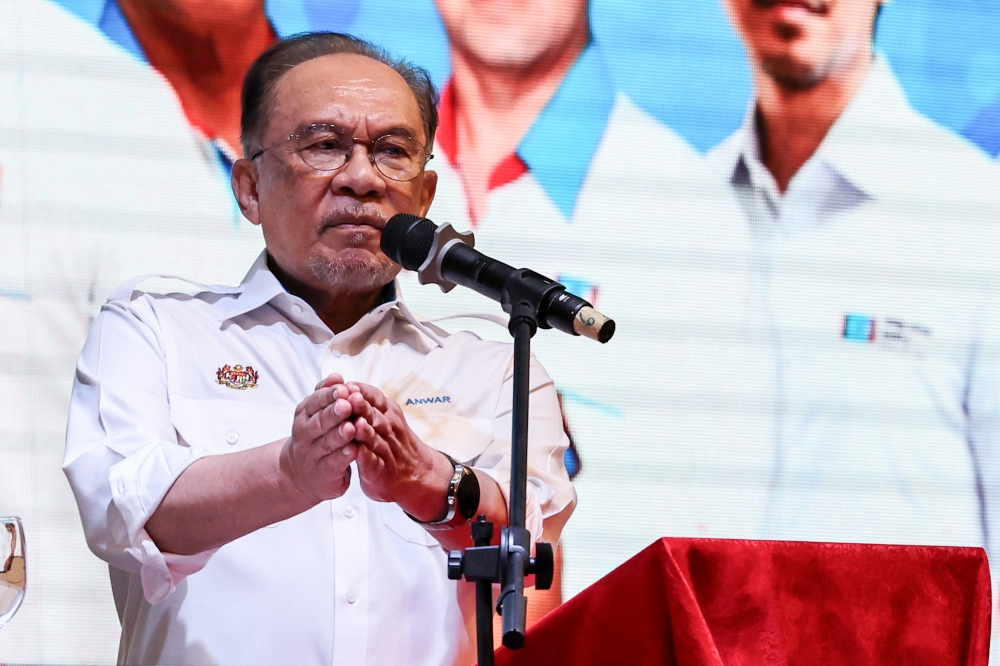
Prime Minister Datuk Seri Anwar Ibrahim has underscored the gravity of the Royal Commission of Inquiry findings into Tabung Haji, characterising the loss of RM12 billion as a significant act of misconduct that cannot be overlooked. Speaking in Melaka on Thursday, the premier stressed that such a substantial financial depletion represents the kind of serious wrongdoing that demands swift action and robust accountability measures from authorities tasked with oversight of the pilgrimage fund.
The Tabung Haji inquiry has emerged as a critical examination of how one of Malaysia's largest state-linked financial institutions mismanaged resources entrusted to it by millions of Malaysian Muslims preparing for their Hajj pilgrimage. The scale of the losses uncovered has prompted intense scrutiny into governance failures that allowed such extensive financial deterioration to occur without adequate intervention. For many Malaysians, Tabung Haji represents a sacred savings instrument specifically designed to help them fulfil one of Islam's five pillars, making the misappropriation of these funds a matter of deep concern across religious and civil society communities.
Anwar's comments reflect the administration's stance that the inquiry's conclusions must trigger concrete enforcement action rather than remain merely as a report. The Prime Minister's emphasis on treating the findings seriously signals that his government views this as more than a corporate governance issue—it represents a breach of public trust that warrants investigation into both individual culpability and systemic weaknesses in institutional oversight. Such statements from the top political leadership carry weight in determining whether recommendations from the RCI translate into prosecutions, policy reforms, and recovery of misappropriated funds.
The magnitude of the loss raises questions about how deterioration on such a scale could have progressed through multiple audit cycles and board meetings. Tabung Haji operates under specific regulatory frameworks designed to protect depositors' money, yet the identified gaps suggest that either compliance mechanisms failed fundamentally or warning signs were inadequately communicated to decision-makers. For Malaysian depositors who have contributed savings over years or decades, the implications are immediate—understanding what happened to their money and whether recovery is possible has become a pressing concern.
The RCI's work adds to Malaysia's recent pattern of high-profile investigations into institutional failures affecting citizen savings and public resources. The inquiry process itself has provided a formal mechanism to document alleged wrongdoing, identify responsible parties, and establish an official record that can support subsequent legal action. However, the transition from investigative findings to actual prosecution and asset recovery remains a critical test of whether Malaysia's institutions can effectively hold powerful figures and their associates accountable.
For Southeast Asia more broadly, the Tabung Haji case illustrates vulnerabilities that large sovereign wealth funds and pilgrimage savings vehicles face across the region. How Malaysia handles enforcement of the RCI's recommendations will signal to other nations whether institutional safeguards can meaningfully prevent or punish large-scale financial misconduct. The political commitment demonstrated by high-level statements from the Prime Minister may determine whether the inquiry becomes a watershed moment for institutional reform or a document gathering dust on regulatory shelves.
Anwar's public characterisation of the losses as serious misconduct also serves to manage public expectations about accountability. Millions of Tabung Haji contributors expect transparency about what occurred and confidence that their savings remain protected going forward. The government's visible engagement with the issue—as reflected in the Prime Minister's remarks—helps maintain institutional credibility even while acknowledging that serious failures have been identified. This balance between acknowledging problems and demonstrating resolve to address them is crucial for restoring confidence in financial institutions that ordinary Malaysians depend upon.
The enforcement implications extend beyond individual prosecutions to broader questions about institutional restructuring and preventive measures. Questions have emerged regarding whether Tabung Haji's governance architecture, investment oversight mechanisms, and reporting procedures require fundamental redesign to prevent similar incidents. The RCI's recommendations will likely address these systemic issues alongside identifying specific individuals or entities responsible for the losses. Policymakers must now determine whether incremental reforms or more comprehensive overhaul is necessary.
For Malaysian pilgrims and their families, practical questions loom about the impact on Hajj operations and savings security. Tabung Haji's role as the primary savings vehicle for Malaysian Muslims undertaking pilgrimage means that institutional stability directly affects millions of households' religious aspirations and financial planning. Any loss of confidence in the organisation's financial health or governance could influence saving patterns and participation in the fund, with downstream effects on Malaysia's pilgrimage infrastructure and diplomatic standing within the broader Islamic world.
The coming months will test whether political commitment translates into institutional action. Enforcement agencies, prosecutors, and investigators must move swiftly to build cases based on the RCI's findings while the momentum from high-level political attention remains strong. Recovery of misappropriated funds, where possible, would signal that misconduct carries real consequences. The extent to which the government can demonstrate tangible outcomes from the inquiry will largely determine public perception of whether institutional accountability mechanisms in Malaysia can function effectively when billions of ringgit and citizens' fundamental trust are at stake.

