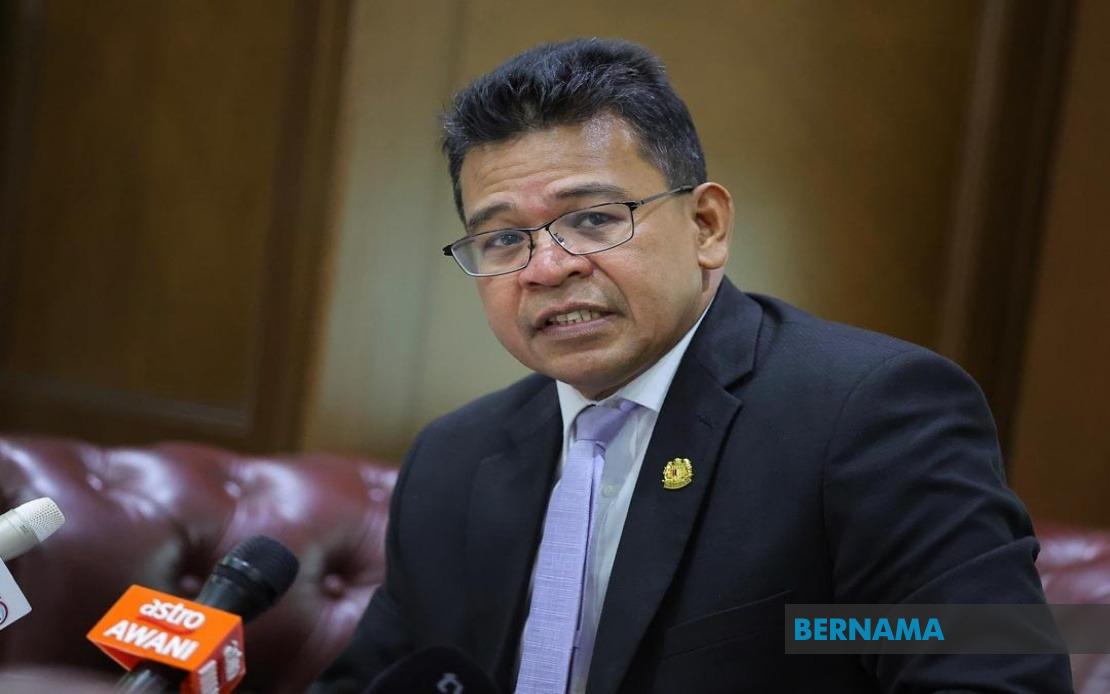
Prime Minister Datuk Seri Anwar Ibrahim departs for Brunei tomorrow for a two-day working visit centred on the 27th Annual Leaders' Consultation, a crucial platform for Malaysia and Brunei to strengthen their longstanding partnership. The summit, scheduled for August 21 and 22, represents the highest-level bilateral engagement mechanism between the two nations and will be hosted by Sultan Hassanal Bolkiah. According to Malaysian High Commissioner to Brunei Datuk Mohd Aini Atan, this annual dialogue underscores the depth of institutional cooperation that underpins Malaysia-Brunei relations.
The visit carries significant diplomatic weight as both leaders will undertake a comprehensive review of bilateral progress across multiple sectors. Anwar and Sultan Hassanal Bolkiah are expected to evaluate how existing cooperation frameworks are performing and identify areas for enhanced collaboration. As neighbouring ASEAN members with intertwined economies and shared security interests, the consultation provides an opportunity for frank discussion on matters ranging from trade and investment to regional stability. The bilateral relationship itself carries historical significance, having been formally structured since 1984 when both nations established their modern diplomatic framework.
A substantial delegation will accompany the Prime Minister, reflecting the importance Malaysia places on this engagement. Foreign Minister Datuk Seri Mohamad Hasan, who plays a central coordinating role in the consultation process, will lead preparatory discussions with Brunei's Second Minister of Foreign Affairs, Datuk Seri Setia Erywan Mohd Yusof. Additionally, Sarawak Premier Tan Sri Abang Johari Tun Openg and Sabah Chief Minister Datuk Seri Hajiji Noor will join the entourage, signalling the significance of Borneo-based interests in Malaysia-Brunei cooperation. Minister of Investment, Trade and Industry Datuk Seri Johari Abdul Ghani's presence indicates that trade and economic matters feature prominently on the agenda.
Preceding the main consultation, Mohamad Hasan will chair the 27th Malaysia-Brunei Exchange of Letters Implementation Meeting on August 21, a technical session designed to assess how previous commitments have been executed. This preparatory gathering will analyse outcomes from the 26th Annual Leaders' Consultation held in Putrajaya last year, ensuring continuity and accountability in bilateral undertakings. The Exchange of Letters mechanism functions as an implementation monitor, tracking progress on agreements and identifying bottlenecks that require high-level intervention during the main consultation.
A new Memorandum of Understanding on disaster management cooperation will be formalised during the visit, addressing a critical regional concern. Given both nations' exposure to tropical storms, flooding, and earthquake risks, institutionalising disaster response protocols enhances preparedness across borders. This agreement represents practical cooperation that directly benefits citizens in both countries and reflects ASEAN's emphasis on non-traditional security challenges. The formal signing ceremony will involve relevant ministers from both governments, cementing this commitment at an operational level.
Trade figures underscore the commercial vibrancy of Malaysia-Brunei ties. In 2025, bilateral commerce reached RM5.86 billion, equivalent to USD 1.37 billion, with Malaysia maintaining a substantial export surplus. Malaysian exports to Brunei totalled RM4.20 billion during 2025, while Bruneian exports to Malaysia accounted for RM1.66 billion. This asymmetry reflects Malaysia's larger manufacturing and agricultural base, though it also indicates significant dependency on Malaysian goods within Brunei's economy. For the opening six months of 2026, bilateral trade has already reached RM2.38 billion, suggesting the relationship continues on a steady growth trajectory despite global economic uncertainties.
The economic dimension gains importance as both nations navigate evolving regional trade dynamics and potential protectionist pressures. Malaysia's diverse export portfolio—spanning manufactured goods, agricultural products, and palm oil derivatives—provides Brunei with reliable supply chains and competitive pricing. Brunei's petroleum and liquefied natural gas exports remain strategically significant for Malaysia's energy security and industrial operations. The consultation will likely explore opportunities to deepen value-added trade and reduce transaction costs through simplified customs procedures and harmonised standards.
Regional and international dimensions will feature prominently in discussions between the two leaders. ASEAN unity, the South China Sea situation, and evolving great power competition create a shared strategic context requiring coordinated responses. Both nations have interests in maintaining freedom of navigation, ensuring compliance with international law, and preserving ASEAN centrality in regional architecture. Anwar and Sultan Hassanal Bolkiah are expected to align positions on forthcoming ASEAN meetings and multilateral engagements, leveraging their close relationship to amplify Malaysia and Brunei's collective voice.
The choice of Bandar Seri Begawan as the host venue carries symbolic importance, emphasising Brunei's role in regional diplomacy despite its smaller population and economy. Sultan Hassanal Bolkiah has positioned Brunei as an active ASEAN participant, and hosting the consultation reinforces this positioning. For Malaysia, the visit demonstrates respect for Brunei's sovereignty and commitment to the partnership despite Malaysia's larger size and regional prominence. This diplomatic courtesy strengthens personal relationships between leaders, which prove essential during crises or complex negotiations.
Beyond formal agendas, the working visit provides opportunities for Malaysia to showcase its investment appeal and technological capabilities to Brunei's leadership. Discussions on renewable energy transition, digital economy integration, and halal industry collaboration may arise informally. These conversations often generate momentum for subsequent technical-level negotiations that materialise into concrete projects over the following year. The presence of Malaysia's investment minister signals openness to joint ventures and cross-border initiatives that harness comparative advantages.
The timing of this consultation within Malaysia's broader diplomatic calendar reflects Anwar's activist foreign policy approach. Having assumed office determined to elevate Malaysia's regional standing, he has prioritised bilateral and multilateral engagements that reinforce partnerships and project leadership. The Brunei visit fits into a pattern of regular high-level interactions designed to prevent drift in relationships and ensure Malaysia remains a preferred partner for neighbours. This proactive diplomacy contrasts with episodic engagement and demonstrates commitment to sustained dialogue.
Looking forward, the consultation outcomes will likely generate a joint statement articulating shared positions and agreed cooperation initiatives. Implementation mechanisms will be clarified, with specific timelines and responsible agencies identified. The success of this 27th iteration will be measured not only by the agreements signed but by the momentum it generates for deepening Malaysia-Brunei partnership across economic, security, and cultural dimensions. As ASEAN faces interconnected challenges from climate change to technological disruption, strong bilateral foundations between member states become increasingly vital for collective resilience and prosperity.

