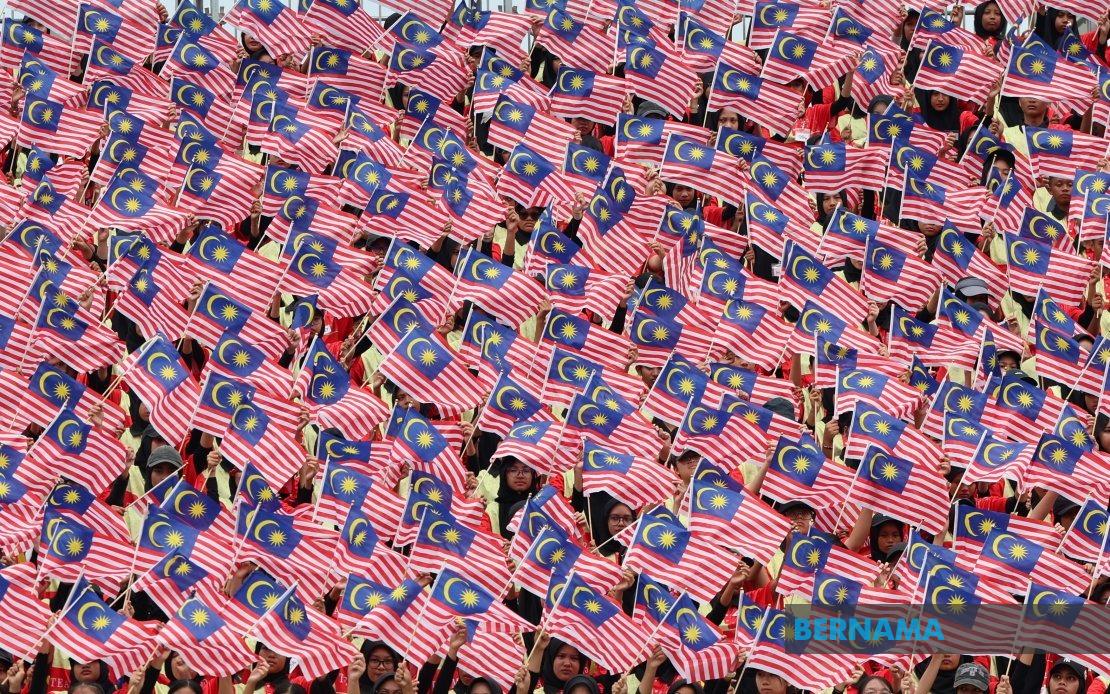
Prime Minister Datuk Seri Anwar Ibrahim will officiate the launch of the 2026 National Month and Fly the Jalur Gemilang Campaign on July 19 in Perak, with organisers expecting around 3,000 participants at the Sultan Azlan Shah Institute of Health Training (ILKKM SAS) in Tanjung Rambutan. The ceremony marks the beginning of the wider National Day and Malaysia Day 2026 (HKHM2026) observance and reflects the government's commitment to fostering patriotic sentiment across the nation ahead of the bicentennial celebrations.
According to Anita Amri, Principal Assistant Secretary of the Perak State Government Corporate Division, the gathering will bring together members of the MADANI Community alongside trainees and personnel from ILKKM SAS. The venue choice underscores the government's intention to hold the event in a regional centre rather than exclusively in the capital, demonstrating efforts to distribute celebratory activities across Malaysian states and ensure provincial engagement with national initiatives.
The event will receive extensive media coverage through both traditional and digital channels. While attendance is limited to registered participants, the public can follow proceedings live via Radio Televisyen Malaysia (RTM) and the Malaysian National News Agency (Bernama) television broadcasts. Additionally, the Ministry of Communications and the Department of Information Malaysia (JAPEN) will stream the event on their official Facebook pages, ensuring accessibility for Malaysians unable to attend in person and maximising the campaign's reach across diverse demographics.
To consolidate information distribution and combat misinformation during the festive season, the Ministry of Communications has established the Merdeka360 Portal as a centralised platform. This digital hub consolidates official details regarding National Day and Malaysia Day 2026 celebrations, enabling citizens to access verified information about events, guidelines, and patriotic activities. The portal reflects contemporary governance approaches that leverage technology to enhance civic engagement and ensure Malaysians receive authoritative updates rather than relying on fragmented or unreliable sources.
Central to the campaign is the "1 Rumah 1 Jalur Gemilang" initiative, which encourages households nationwide to display the Malaysian flag as a tangible expression of national pride and unity. Anita called upon Malaysians to purchase new flags and position them prominently at homes, workplaces, and vehicles, framing flag display as both a patriotic duty and a visible commitment to national solidarity. This grassroots approach transforms flag-flying from a ceremonial practice into a widespread community activity that creates visual landscapes of patriotism throughout towns and cities.
However, Anita emphasised that displaying the Jalur Gemilang carries responsibilities beyond mere placement. She cautioned Malaysians against flying flags that are worn, faded, or damaged, stressing that such conditions undermine the flag's dignity and symbolic power. This guidance reflects broader concerns about maintaining respect for national symbols and suggests that patriotism encompasses not only enthusiasm but also conscientious stewardship of emblems representing the nation's values and heritage.
The campaign extends beyond individual households into community mobilisation strategies. Anita encouraged Malaysians to leverage social networks—both personal circles and digital platforms—to amplify patriotic messaging and encourage broader participation in flag-flying initiatives. By framing patriotism as a communal endeavour that strengthens social bonds and creates positive collective experiences, the campaign positions national celebrations as occasions for strengthening neighbourhood cohesion and family connections rather than top-down governmental exercises.
The thematic underpinning for this year's celebrations is "Malaysia MADANI: Kesejahteraan Dinikmati" (Malaysia MADANI: Shared Prosperity), a concept that Communications Minister Datuk Seri Fahmi Fadzil has positioned as central to the 2026 observances. The Malaysia MADANI logo will continue as the official emblem through 2026, ensuring visual consistency and reinforcing the government's development philosophy throughout the celebratory period. This continuity signals that the national celebrations are not isolated events but manifestations of broader governmental commitments to inclusive prosperity and societal wellbeing.
The main National Day celebrations scheduled for August 31, 2026, will be hosted at Dataran Putrajaya but structured on a modest scale compared to some previous years. This measured approach represents a deliberate policy choice to balance ceremonial significance with fiscal prudence and practical considerations. Rather than pursuing grandiose displays, the government has opted for celebrations that maintain festive enthusiasm and cultural resonance whilst avoiding unnecessary expenditures—a positioning that aligns with broader MADANI principles emphasising responsible resource allocation.
For Malaysian observers, the 2026 National Month campaign signals the government's intention to activate patriotic consciousness gradually throughout the year preceding Malaysia's significant milestone. By launching initiatives in July 2026, officials provide sufficient lead time for nationwide participation whilst building anticipatory momentum. The emphasis on community-driven activities rather than state-controlled spectacles suggests a governance philosophy that values grassroots engagement and distributed participation in national observances.
Regionally, Malaysia's approach to national celebrations carries implications for Southeast Asian perspectives on sovereignty and unity. As member states navigate questions about national identity, external pressures, and internal diversity, Malaysia's emphasis on inclusive patriotism—expressed through accessible symbols like flag-flying and emphasising shared prosperity—offers a model that balances traditional nationalism with contemporary inclusive governance. The MADANI framework itself reflects attempts to articulate a development vision that transcends merely economic metrics to encompass social cohesion and cultural continuity.

