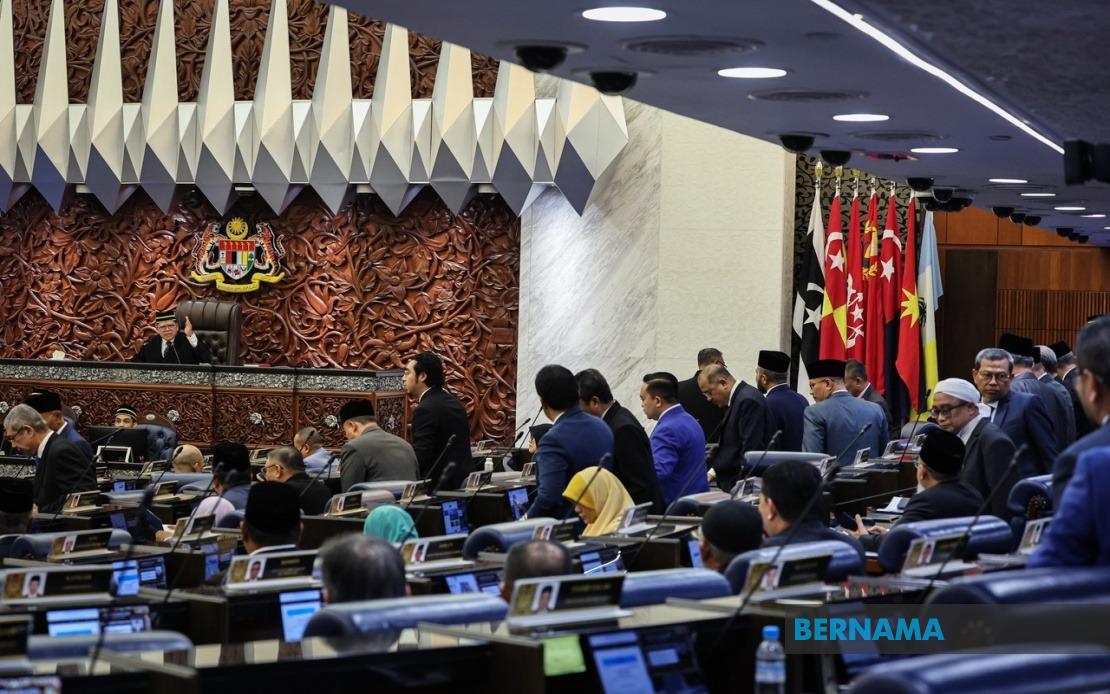
Parliament's special sitting on August 11 to examine the Royal Commission of Inquiry report into Lembaga Tabung Haji descended into controversy when opposition lawmakers staged a walkout, prompting a sharp rebuke from the Prime Minister's senior political adviser. Tengku Datuk Seri Zafrul Tengku Abdul Aziz, serving as Senior Political Adviser to the Prime Minister, took to social media to question the decision by several Members of Parliament to abandon the chamber while critical issues concerning TH's management were being debated and explained to elected representatives.
The core of Tengku Zafrul's criticism centered on what he characterized as a fundamental misunderstanding of parliamentary duty. He argued that the deliberate absence of the Prime Minister from the sitting should not and could not serve as justification for opposition members to disengage from substantive discussion of matters affecting millions of Malaysians. The adviser posed a rhetorical challenge to those who had departed: if the Prime Minister is not present, does that automatically mean MPs lose their obligation to listen, question, and engage in debate about government policy?
This exchange reflects deeper tensions within Malaysia's legislature regarding how parliament should function when executive leadership is unavailable. While prime ministerial participation in parliamentary sittings carries symbolic weight and demonstrates commitment to accountability, Tengku Zafrul's position suggests that the institution of parliament itself transcends any individual politician's attendance. The RCI report into TH—a 211-page document made public on July 29—warranted serious examination regardless of whether the head of government was physically present in the Dewan Rakyat chamber.
Among the opposition lawmakers who walked out were prominent figures including Opposition Leader Datuk Seri Hamzah Zainudin, representing Perikatan Nasional. The walkout also included PN chief whip Datuk Seri Takiyuddin Hassan and PN chairman Datuk Seri Dr Samsuri Mokhtar, suggesting a coordinated withdrawal rather than individual decisions. Their departure effectively silenced any meaningful scrutiny or counter-arguments the opposition might have offered during deliberations on the government's management of the pilgrimage fund.
Tengku Zafrul framed parliament's role as fundamentally about holding power accountable through engagement, not abstention. He urged MPs to embrace their constitutional responsibilities by questioning government actions when they harbor doubts, debating policy differences when disagreements exist, and challenging executive decisions with factual evidence when they believe wrongdoing has occurred. His message carried an implicit criticism that walkouts serve neither parliamentary function nor constituents' interests—they merely create an appearance of protest without substance.
The Tabung Haji issue itself carries enormous weight in Malaysian political and economic discourse. As one of the largest financial institutions serving the Muslim and Malay community, TH's stewardship affects not merely investors but entire economic ecosystems dependent on Islamic financial products and services. The RCI's examination of TH's management and operations spanning 2014 to 2020 addressed a period marked by significant market volatility and institutional challenges that raised questions about governance, transparency, and fiduciary responsibility toward depositors.
The special parliamentary sitting represented a rare opportunity for detailed public examination of the RCI's findings. The government's decision to release the report and allow legislative debate demonstrated a commitment to transparency that warranted serious engagement from all political quarters. When opposition lawmakers chose instead to boycott proceedings, they effectively ceded the narrative to government speakers and forfeited any opportunity to challenge findings they might dispute or demand accountability for perceived failures.
Tengku Zafrul's intervention suggests growing concern within government circles about the quality of parliamentary discourse and the opposition's seeming reluctance to engage substantively on matters of genuine public importance. His call for factual debate over theatrical protest indicates frustration with what he may view as opposition prioritizing political positioning over legislative responsibility. The adviser explicitly acknowledged that disagreement is legitimate in parliamentary democracy—the issue, he suggested, lies with how such disagreement is expressed and pursued.
The walkout carries implications beyond immediate parliamentary procedure. Opposition MPs' decision to absent themselves from debate on TH signals either a calculated political strategy or, as critics like Tengku Zafrul suggest, an abdication of duty. The walkout prevented opposition voices from challenging specific findings or recommendations within the RCI report, potentially leaving government interpretations unchallenged in the legislative record. For Malaysian voters seeking robust parliamentary oversight of government institutions, such absences undermine confidence in opposition performance of core accountability functions.
The timing of this parliamentary drama also reflects broader Malaysian political volatility. With coalition dynamics in flux and opposition positioning constantly evolving, the Tabung Haji debate became another arena where political calculations appeared to override substantive engagement with policy matters. Yet the issue itself transcends partisan concerns—millions of ordinary Malaysians have accumulated savings through Tabung Haji, and ensuring proper governance of those funds constitutes a shared national interest regardless of political affiliation.
Tengku Zafrul's public statement represents an attempt to reframe the debate from whether the PM should have attended parliament to whether opposition lawmakers should have remained to perform their legislative duties. This rhetorical maneuver shifts accountability from the executive to the opposition, though it does not fully address questions about why the Prime Minister chose not to attend a sitting dealing with such consequential institutional matters. Nevertheless, his core argument—that parliamentary engagement should not depend on the executive's physical presence—touches on essential principles of legislative independence.
Moving forward, the exchange raises questions about how Malaysian parliament can strengthen its institutional functioning when partisan temptations encourage walkouts over engagement. Whether regarding TH governance, economic policy, or institutional reform, Malaysia's bicameral legislature functions most effectively when all elected representatives commit to rigorous scrutiny rather than symbolic protest. Tengku Zafrul's intervention, while politically motivated, articulates a vision of parliament where even minority voices perform their constitutional duty to question, debate, and challenge government actions through factual argument rather than physical absence.

