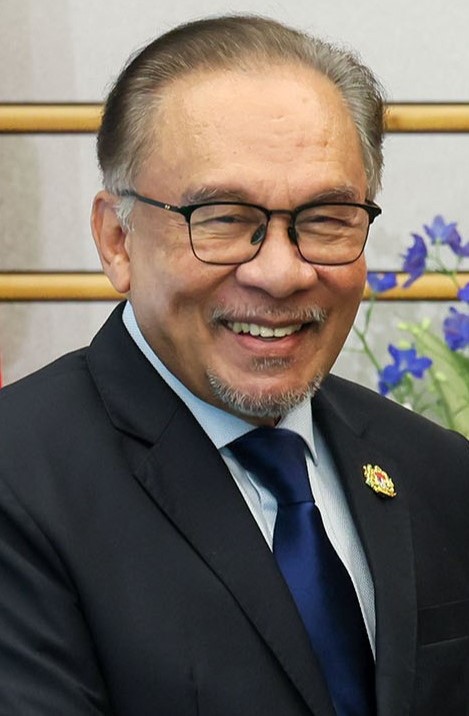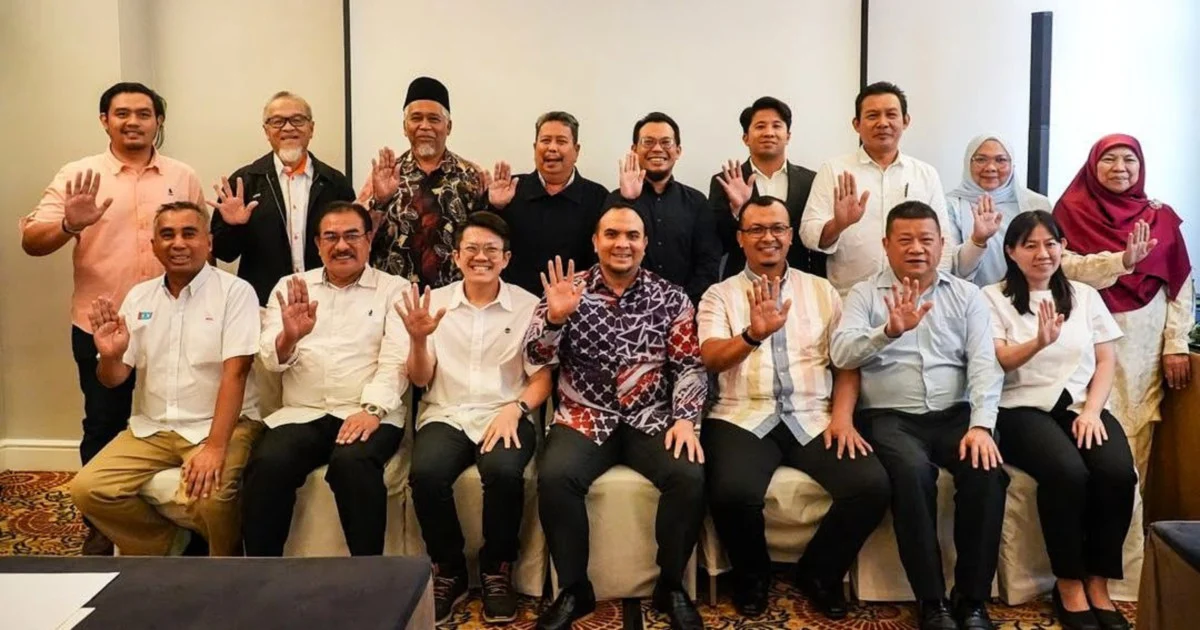
Datuk Ahmad Farhan Fauzi, who serves as Prime Minister Datuk Seri Anwar Ibrahim's political secretary, has been appointed chairman of Pakatan Harapan (PH) in Pahang, signalling another round of organisational restructuring within the ruling coalition as it consolidates its power base ahead of future electoral contests.
The appointment signals the government's intention to strengthen PH's administrative framework at the state level by deploying officials with direct access to the Prime Minister's office. Ahmad Farhan's elevation reflects the Prime Minister's broader strategy of positioning trusted aides in pivotal regional roles, ensuring alignment between federal leadership and ground-level party machinery across Malaysia's states. His proximity to Anwar's inner circle suggests that major decisions affecting Pahang's political direction will be coordinated closely with the Prime Minister's office.
Pahang holds considerable significance within Malaysia's political landscape, both as the country's largest state by land area and as a region where Pakatan Harapan has worked to consolidate its influence following its performance in the 2022 general election. The state's economic reliance on sectors like agriculture, mining, and increasingly tourism makes it strategically important for any national government. By deploying Ahmad Farhan to lead PH's state machinery, Anwar demonstrates his commitment to transforming the coalition's presence in this crucial region.
The appointment comes as Pakatan Harapan continues managing internal dynamics across multiple states where it either governs alone or shares power through coalitions. Pahang, like several other states, has witnessed fluctuating political fortunes, with multiple leadership changes at both party and government levels in recent years. Ahmad Farhan's appointment suggests PH intends to establish more durable institutional frameworks that can navigate these complexities through clearer hierarchy and centralised coordination.
As a political secretary to Malaysia's Prime Minister, Ahmad Farhan would have accumulated extensive experience managing party politics at the national level and understanding the mechanics of governmental operations. This background positions him to address organisational challenges that have periodically affected PH's state chapters, ranging from membership coordination to candidate selection processes and inter-party dynamics with coalition partners like Democratic Action Party (DAP) and Amanah in Pahang.
The leadership transition in Pahang's PH chapter also reflects the coalition's ongoing effort to refresh its bench strength in preparation for the next round of state elections. Malaysian politics has seen growing importance placed on state-level governance, with voters increasingly evaluating ruling coalitions based on their economic management and service delivery performance at state level. By installing experienced administrators like Ahmad Farhan, PH aims to project competence and continuity to Pahang's electorate.
Understanding the broader context, this appointment occurs within a period where Malaysia's political landscape remains fluid, with general election timing still subject to strategic calculations by the Anwar administration. States like Pahang represent crucial battlegrounds where PH's electoral performance will partly determine the coalition's capacity to maintain or expand its parliamentary majority. Strong state-level organisation becomes particularly critical in such an environment, as it translates into effective voter mobilisation and better coordination across multiple levels of government.
Ahmad Farhan's appointment also carries implications for succession planning within PH's leadership ecosystem. By identifying and promoting capable individuals to significant party positions, the coalition signals to its members and supporters that meritocratic advancement remains possible, potentially improving morale among party workers and local leaders who view such promotions as validation of their own career prospects within the party hierarchy.
For Malaysian observers, this development underscores how Prime Ministers utilise their office to shape party structures and ensure coherence in political messaging. The decision to position Anwar's immediate political aide in Pahang suggests the Prime Minister takes the state's political dynamics seriously and intends to maintain close oversight of developments there. This centralised approach, while ensuring policy consistency, may also influence how much autonomy Pahang's own elected representatives and party members exercise in local decision-making processes.
The implications for Pahang's political future extend to how the state's government will collaborate with its newly repositioned PH leadership. Smooth coordination between the party structure and the state administration becomes essential for translating policy into effective governance outcomes that voters observe in their daily lives. Ahmad Farhan's experience navigating federal political corridors could facilitate this coordination, though it remains to be seen whether his tenure brings the intended revitalisation to PH's state machinery.