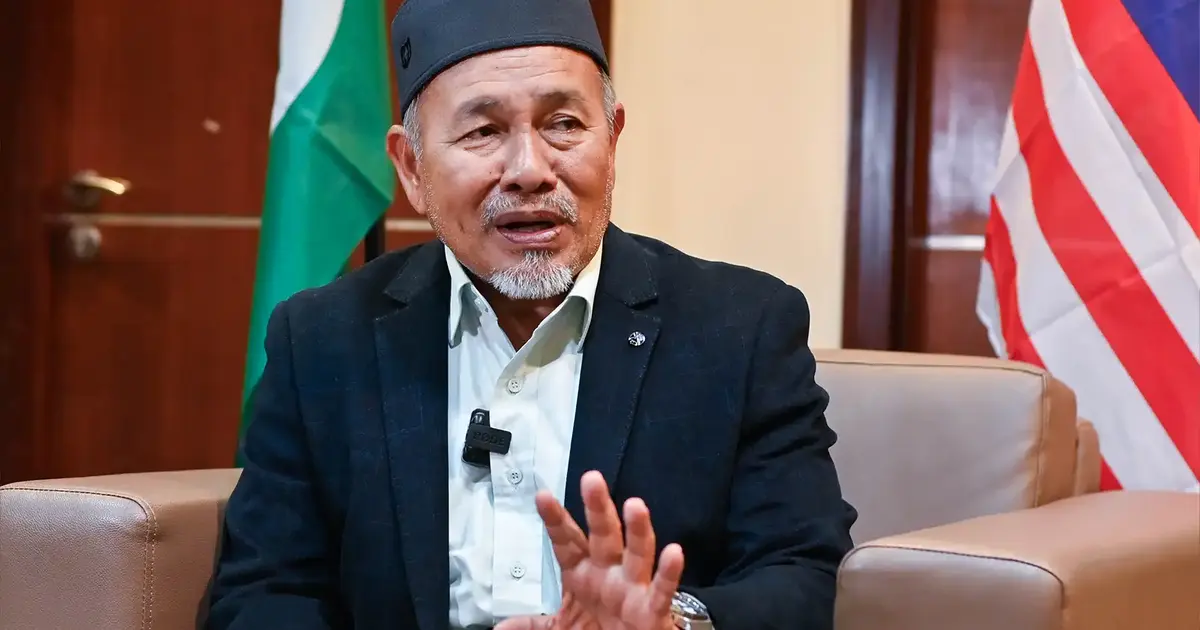
The Perikatan Nasional coalition has shown little anxiety over the prospect of contested constituencies in the forthcoming Melaka state election, with PAS deputy president Tuan Ibrahim Tuan Man suggesting that despite the absence of formal seat allocation negotiations with Barisan Nasional, any complications could be ironed out through constructive dialogue.
Tuan Ibrahim's measured stance reflects a broader confidence within PN circles that the two major coalitions can coexist without major friction in the Melaka contest. His remarks come as both coalitions prepare candidates for what is expected to be a closely watched electoral contest in the southern state. The timing of his comments underscores PN's pragmatic approach to managing coalition dynamics ahead of the polls.
The lack of advance seat-sharing discussions between PN and BN appears not to have rattled PN leadership, suggesting the coalition has assessed the electoral landscape and believes potential overlaps can be addressed through negotiation. This confidence may stem from historical precedent in Malaysian coalition politics, where ostensible differences are often smoothed over before nomination day. The absence of formal talks, while seemingly problematic, could also indicate that both coalitions have a relatively clear understanding of their respective strongholds and areas of weakness.
Melaka has long been a politically volatile state, with power shifting between coalitions in recent electoral cycles. The state's fractionalised voting patterns mean that seat allocation becomes particularly crucial, as small variations in candidate placement or resource allocation can swing outcomes. PN's apparent nonchalance about potential clashes with BN suggests they may be mapping strategy around specific constituencies where they feel most competitive, rather than viewing the entire state as contested territory.
From a broader Southeast Asian perspective, Malaysia's coalition politics continue to operate within a fluid and pragmatic framework. Unlike more ideologically rigid systems, Malaysian parties regularly adjust alliances and negotiate seat arrangements with minimal disruption. Tuan Ibrahim's comments fit this pattern, presenting coalition management not as a rigorous institutional process but as a flexible negotiation between political actors.
The specific dynamics of Melaka politics add another layer of complexity. The state remains a traditional BN stronghold, though PN has made inroads in recent years through PAS's grassroots presence and Bersatu's appeal to Bumiputera-focused voters. Any seat arrangement will likely reflect this equilibrium, with BN maintaining dominance in urban and mixed constituencies while PN contests rural and Malay-majority areas. These natural geographic and demographic divides may reduce genuine competition between the coalitions.
Tuan Ibrahim's public statements also serve a strategic purpose, sending signals to both internal coalition partners and external observers. By projecting confidence about resolving seat issues amicably, he reassures PAS members that PN's electoral prospects are secure without requiring heavy investment in intra-coalition political manoeuvring. This confidence can translate into better morale and more focused campaigning on substantive policy issues rather than internal negotiations.
The broader implications for Malaysian politics are significant. Coalition flexibility and the ability to manage seat disputes without public acrimony remain hallmarks of the country's political system. However, this flexibility also masks deeper questions about democratic accountability and transparency in candidate selection processes. The relative invisibility of seat-sharing negotiations means voters often learn about electoral arrangements only as they unfold, limiting their input into candidate selection despite the democratic principle of popular choice.
For Melaka voters, the PN-BN dynamic will likely determine whether the state becomes a genuine two-coalition contest or whether factional fragmentation continues to characterise electoral outcomes. Tuan Ibrahim's confidence suggests PN leadership expects the contest to be relatively clean, without the acrimony that might arise from disputed constituencies. This projection of stability may itself help stabilise the electoral environment, as it discourages opportunistic candidate recruitment or aggressive competition over marginal seats.
The unfolding Melaka election will test whether PN's confidence in amicable seat resolution proves justified or whether underlying tensions emerge closer to nomination day. Historical patterns suggest coalitions often maintain public harmony while privately negotiating contentious issues, eventually reaching accommodations that preserve the appearance of unity. Tuan Ibrahim's remarks fit this established pattern, projecting calm while allowing space for the negotiations that remain inevitable.
Meanwhile, the state's voters will be watching to see whether PN and BN's apparent comity translates into quality candidates and substantive campaign platforms, or whether seat-sharing logistics ultimately overshadow policy discussions. The election's outcome will likely hinge not on coalition management but on bread-and-butter issues affecting Melaka's constituents, from economic development to healthcare and education services.

