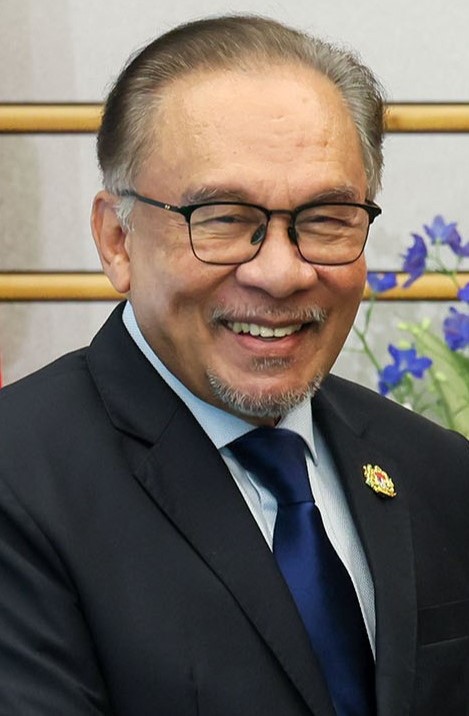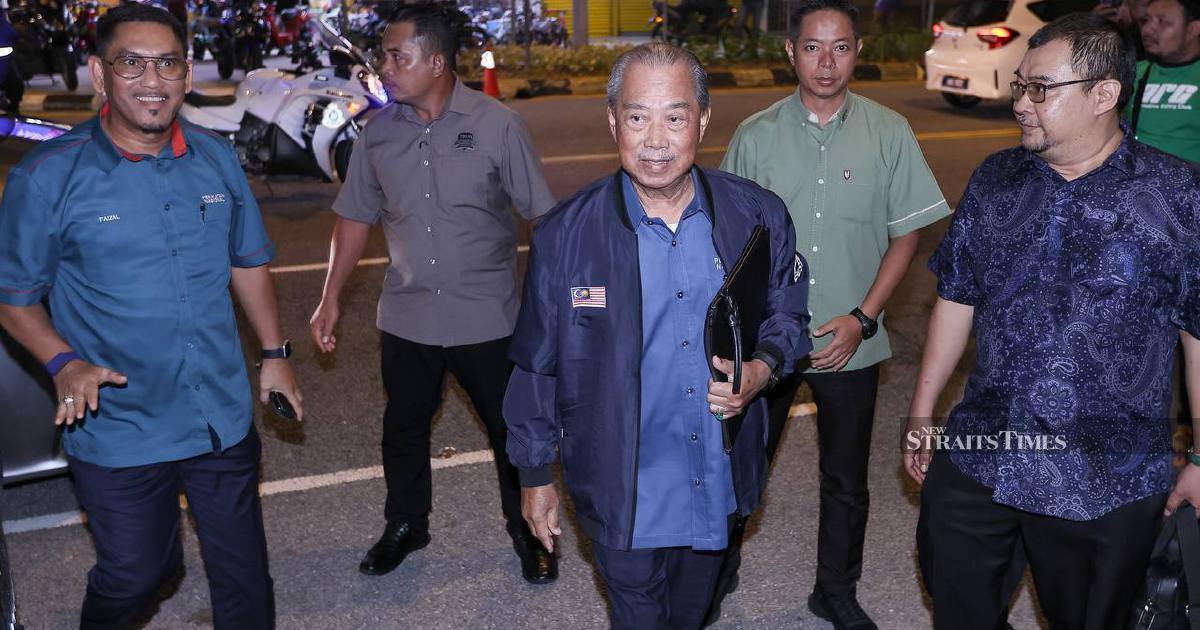
Perikatan Nasional convened an urgent Supreme Council session at PAS headquarters in Kuala Lumpur on Monday night, a move that underscores growing strains within Malaysia's principal opposition bloc. The hastily arranged gathering of coalition leadership came without advance public notice, suggesting the alliance is grappling with issues requiring immediate deliberation away from standard parliamentary schedules.
The emergency nature of the meeting reflects the precarious political environment that has characterised Malaysian politics since the 2022 general election. Perikatan Nasional, which comprises PAS, BERSATU, and smaller partner organisations, has positioned itself as the primary parliamentary opposition force. However, maintaining coalition cohesion in this role has proven increasingly challenging, with periodic disagreements emerging over strategy, internal governance, and electoral positioning.
PAS, as host of the meeting at its headquarters, continues to assert its role as the coalition's dominant faction. The party's organisational capacity and grassroots presence have made it indispensable to PN's electoral ambitions, particularly in Peninsular Malaysia where the organisation maintains formidable machinery. Yet this dominance has occasionally created friction with BERSATU, whose leadership, including former Prime Minister Muhyiddin Yassin, seeks to maintain significant influence over coalition direction and policy decisions.
The timing of Monday's emergency session suggests the coalition faces immediate decisions requiring collective agreement among senior leadership. Such meetings are typically convened when standard council proceedings cannot accommodate the urgency of matters requiring resolution, indicating that current challenges cannot wait for scheduled gatherings. The decision to meet at night, outside normal business hours, underscores the sensitive or time-sensitive nature of the agenda.
For Malaysian observers and political analysts, the gathering carries implications extending beyond coalition management. Perikatan Nasional's stability directly affects Parliament's functional balance, opposition effectiveness, and the competitive dynamics of Malaysian electoral politics. A fractured opposition could strengthen the incumbent government's parliamentary position, while internal coherence within PN strengthens alternatives for voters dissatisfied with current administration performance.
The coalition faces multiple concurrent pressures. Parliamentary arithmetic remains delicate, with government control dependent on managing diverse coalition partners and independent lawmakers. Meanwhile, the opposition must maintain discipline while presenting constructive alternatives to government policy. PN's particular challenge involves balancing ideological differences between secular-oriented BERSATU and the Islamic-focused PAS while maintaining unified messaging on national issues affecting all Malaysians.
Regional political context adds complexity to PN's internal dynamics. Other Southeast Asian nations increasingly scrutinise Malaysian political stability, given the country's economic significance and regional influence. Coalition instability could undermine Malaysia's credibility in international forums, complicate policy implementation on regional security matters, and affect investor confidence in political predictability.
Economic considerations likely feature in such high-level political meetings. Malaysia confronts persistent inflation, employment challenges, and structural economic questions requiring coherent legislative responses. Whether PN and the government coordinate on economic priorities, or whether opposition scrutiny focuses on holding the administration accountable, coalition stability influences the quality of parliamentary debate on these crucial matters.
The emergency meeting format also reflects changing patterns in Malaysian political communication. Leadership prefers private, restricted sessions for sensitive deliberations before public announcements. This approach minimises media speculation and allows cooler-headed resolution of disagreements away from immediate public pressure, though it also invites questions about transparency and consultation with party grassroots members.
Historically, emergency Supreme Council sessions within Malaysian political coalitions have preceded significant announcements regarding policy positions, leadership changes, or strategic reorientation. PN observers await clarification on the meeting's outcomes and any resulting statements from coalition leadership. The gathering's result will likely indicate whether the coalition has achieved consensus on pending matters or whether underlying tensions persist despite night-time deliberations.
Looking forward, PN's capacity to maintain internal discipline while mounting effective parliamentary opposition remains central to Malaysian political competition. The opposition's quality ultimately strengthens democratic governance through competitive scrutiny of executive authority. A fragmented or internally conflicted opposition diminishes this crucial democratic function, regardless of its parliamentary numbers.
This emergency convocation demonstrates that Malaysian political coalitions, whether governing or in opposition, require constant management and consensus-building. The mechanics of coalition politics—particularly when balancing organisational strength, ideological differences, and leadership ambitions—remain perpetually challenging in Malaysia's multi-party democratic system. The substantive outcomes of Monday night's gathering will reveal whether PN has successfully navigated this particular crisis point.