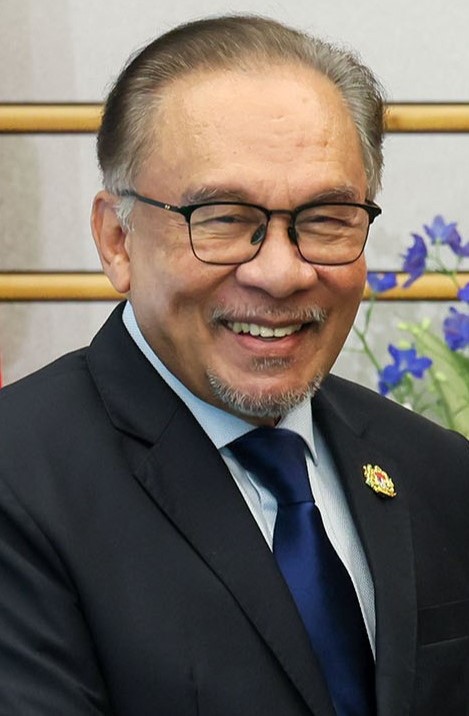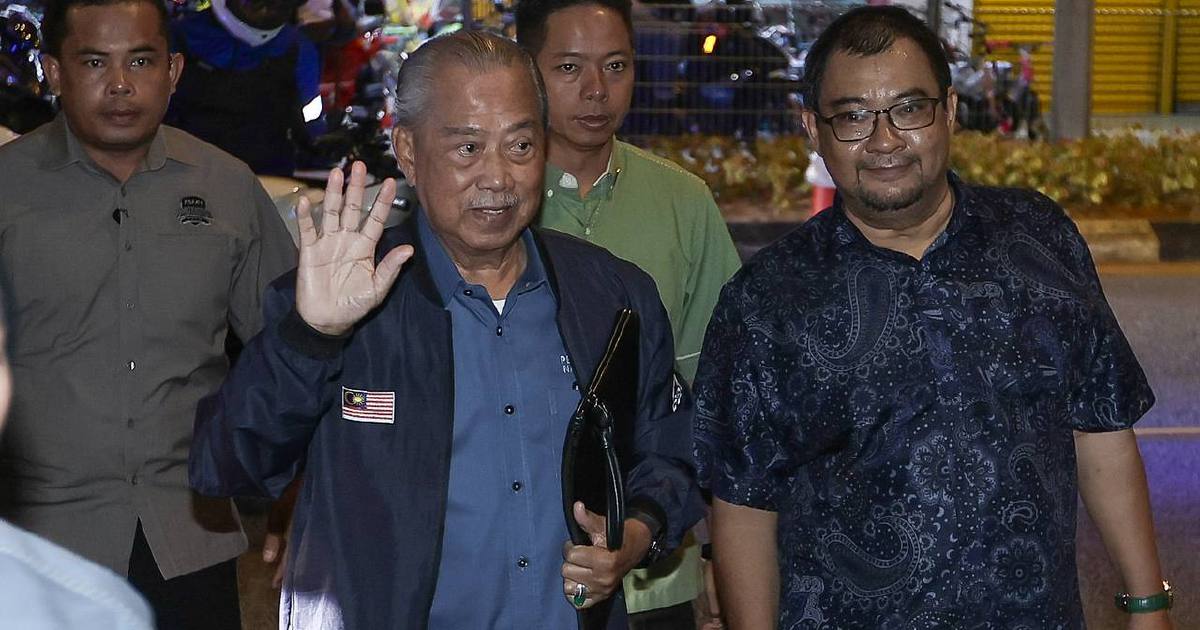
Perikatan Nasional held an emergency Supreme Council gathering in Kuala Lumpur, with discussions centred on broader coalition operations and the possibility of welcoming fresh participants into the opposition bloc. However, the assembly deliberately circumvented any examination of Bersatu's current standing or future trajectory within PN's organisational structure, according to party leadership.
The timing of this closed-door session reflects mounting tensions within Malaysia's opposition landscape. Bersatu, the Islamist-oriented party led by Muhyiddin Yassin, has occupied an increasingly complicated position as PN navigates internal rivalries and external political pressures. The decision to convene an emergency meeting signals concern among party strategists about coalition cohesion, yet the calculated avoidance of Bersatu's membership question suggests deliberate political choreography rather than candid internal reckoning.
For Malaysian observers tracking opposition dynamics, PN's strategic silence carries significant weight. By focusing discussions on recruiting new members while sidestepping uncomfortable questions about Bersatu's role, the coalition leadership appears to be buying time—a tactic commonly deployed when party unity faces genuine strain. The opposition bloc has struggled to present unified messaging since its 2022 emergence, with ideological fractures and leadership ambitions repeatedly surfacing beneath the surface of public statements.
The opposition's internal preoccupations matter considerably for the broader political landscape. Malaysia's parliamentary arithmetic remains delicately balanced, and PN's stability—or instability—directly influences how effectively the government majority can operate. When opposition coalitions splinter or face credibility questions, governing coalitions gain maneuvering room. Conversely, a cohesive opposition imposes discipline on government backbenchers and complicates legislative strategies.
Bersatu's particular predicament deserves scrutiny. As a Malay-Muslim party with roots in UMNO, it carries complex baggage in a political environment where Malay-Islamic issues dominate electoral mathematics. The party initially formed opposition alliance partnerships, then navigated realignments that tested its consistency and credibility with core constituencies. Its membership status within PN represents far more than bureaucratic classification—it symbolises whether Bersatu retains meaningful coalition leverage or faces marginalisation within opposition structures.
The Supreme Council's decision to discuss potential new members while avoiding Bersatu specifics creates a peculiar messaging problem. To outside observers, it suggests PN might be exploring options beyond existing membership while keeping Bersatu's options open but undefined. This ambiguity serves short-term coalition management purposes but compounds longer-term strategic uncertainty. Opposition parties require clarity about institutional arrangements to maintain grassroots engagement and member morale.
Regional implications merit consideration as well. Southeast Asian politics increasingly involves opposition coalitions developing cross-border coordination mechanisms. Malaysia's opposition bloc's internal coherence affects how effectively it can engage with regional counterparts or coordinate positions on transnational issues. A fractious PN sends signals about opposition strength that reverberate across the region's democratic movements.
For Malaysian political analysts, the most instructive aspect involves what the meeting studiously avoided. Direct discussion of Bersatu's membership status would require PN's Supreme Council to make definitive choices: formally reaffirm Bersatu's standing, initiate disciplinary procedures, or negotiate revised terms. Instead, the gathering focused on abstract coalition expansion—a decision that postpones difficult conversations while creating space for backroom negotiations. This approach reflects how Malaysian political disputes often operate below public visibility, with formal structures serving as theatrical backdrop to genuine power-brokering.
The opposition bloc's leadership clearly recognised that openly addressing Bersatu's position during an emergency session would generate immediate media interpretation about coalition fracturing. By maintaining studied ambiguity, PN's strategists hoped to manage perceptions while allowing different factions to interpret the session's outcomes through preferred lenses. Bersatu might frame it as affirming continued participation. Rival PN components might view it as creating space for new alignments.
Government observers will monitor how this calculated silence resolves over coming weeks. If PN quickly recruits replacement members or meaningful new partners, it suggests the coalition is repositioning around Bersatu's uncertain standing. If silence continues indefinitely, it indicates PN lacks consensus even on basic coalition architecture. Either scenario carries implications for parliamentary calculations and the government's legislative capacity.
The meeting's deliberate avoidance of direct Bersatu discussion ultimately demonstrates how Malaysian opposition politics operates—characterised by strategic ambiguity, postponed decisions, and carefully choreographed messaging designed to maintain maximum flexibility. Whether this approach strengthens or weakens PN's long-term viability remains an open question that Malaysian politics will answer through subsequent actions rather than official statements.