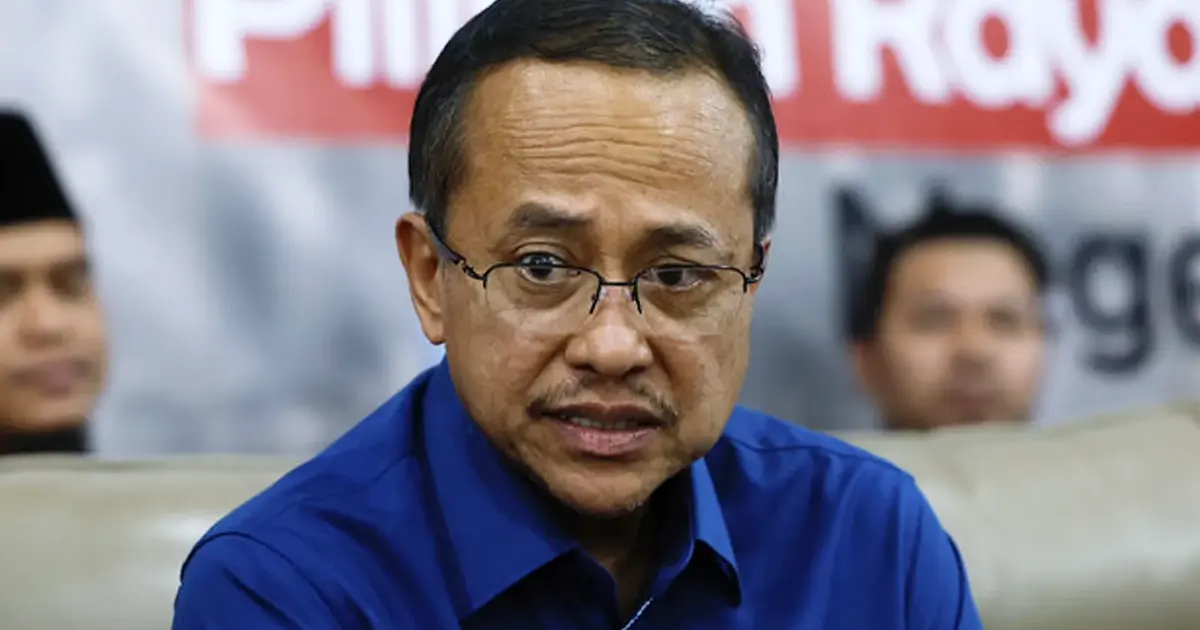
Perikatan Nasional chairman Samsuri has moved to quell concerns about potential voter confusion stemming from two coalition members, PAS and Bersatu, both deploying the same PN logo in electoral campaigns. In his response to recent criticism and questions about the branding arrangement, Samsuri argued that the situation presents no real difficulty for voters because the parties have structured their candidacies to avoid direct competition in the same constituencies. The statement reflects ongoing efforts within PN to manage internal dynamics as the coalition prepares for potential electoral contests and positions itself within Malaysia's fractious political landscape.
The sharing of the PN logo between PAS and Bersatu represents a practical accommodation within the coalition framework, yet it has drawn scrutiny from observers questioning whether voters could face difficulties distinguishing between the two parties at the ballot box. This concern takes on particular significance in Malaysia's electoral system, where clear party identification is crucial for voters seeking to make informed choices. Samsuri's clarification addresses these doubts by emphasizing the strategic arrangement whereby each party targets different geographical constituencies, thereby minimizing scenarios where both entities would appear simultaneously on local ballots competing for the same seats.
The dynamic between PAS and Bersatu within PN reflects broader coalition mathematics in Malaysian politics, where parties with differing ideological orientations and voter bases negotiate shared symbols and campaign infrastructure. PAS, with its Islamist orientation and strong support base particularly in rural areas of the northern and east coast states, operates within a distinct electoral geography compared to Bersatu, which has cultivated a more centrist profile since its formation and draws support from varied demographic segments. This natural geographic and demographic separation provides the foundation for Samsuri's assertion that logo-sharing need not create practical complications.
Malaysia's electoral environment has grown increasingly complex in recent years, marked by coalition fragmentation, party realignments, and shifting voter preferences that have reshaped traditional political geography. The PN coalition itself emerged from this fluidity, bringing together parties seeking an alternative to established power structures. Within this context, questions about branding, voter clarity, and internal coalition coordination reflect genuine challenges of maintaining coherent political messaging while accommodating multiple parties with distinct identities and aspirations. Samsuri's defense of the logo arrangement suggests confidence in the organizational capacity of both parties to execute campaigns without confusing voters about their respective candidatures.
The question of shared symbolism extends beyond mere aesthetics into practical campaign management. Political parties invest considerably in brand recognition and voter familiarity with their symbols, colors, and messaging. When coalition partners share logos, they necessarily share campaign visibility and brand equity, raising questions about whether this arrangement serves the interests of both parties equally or advantages one partner over another. Samsuri's position implies that PAS and Bersatu have determined this arrangement serves their mutual interests, presumably because the coalition banner strengthens their collective standing against rival political blocs.
For Malaysian voters, particularly those in constituencies where PN parties will compete, the question carries practical implications during the voting process. Election Commission regulations require clear ballot design to prevent confusion, and the organization of candidate information on ballot papers must facilitate voters' ability to identify and select their preferred candidates. Samsuri's assurance that geographic separation of candidacies prevents confusion relies on the assumption that voters in any given constituency will see only one of the two parties on their local ballot, thus eliminating the source of potential confusion altogether.
The internal coordination required to maintain this arrangement without contention highlights the delicate balance of power within the PN coalition. Any dispute over seat allocation between PAS and Bersatu could threaten the coalition's stability and effectiveness, particularly if either party felt disadvantaged in accessing constituencies with strong electoral prospects. Samsuri's public statement may be partly designed to reinforce internal discipline and commitment to the pre-arranged division of electoral territory, signaling that the coalition has already worked through these allocation questions satisfactorily.
Southeast Asian coalition politics frequently feature such arrangements where multiple parties share common symbols or banners while maintaining distinct organizational identities. The PN configuration reflects similar dynamics seen in other regional democracies attempting to aggregate political support across diverse constituencies and ideological groups. These arrangements typically depend on clear understandings about seat allocation, campaign coordination, and benefit-sharing, elements that remain largely opaque to public scrutiny but prove essential for coalition functionality.
Looking forward, the sustainability of the PAS-Bersatu arrangement within PN will depend partly on electoral performance and the distribution of political benefits flowing from their joint efforts. Should either party perceive itself as disadvantaged by the coalition framework or logo-sharing arrangement, tensions could emerge that threaten the partnership. For now, Samsuri's confident assertion that the situation generates no confusion provides the public messaging necessary to project coalition stability while the underlying arrangements continue operating behind the scenes.
The broader question for Malaysian politics involves the future trajectory of PN itself. Formed as an alternative to the Barisan Nasional and Pakatan Harapan alliances that had dominated electoral politics, PN continues seeking to establish itself as a credible third force. The clarity with which it manages internal logistics, including logo-sharing and candidate allocation, will influence its ability to consolidate support and present itself as a coherent political alternative. Samsuri's reassurance about voter clarity suggests the coalition believes it has adequately addressed such practical concerns, allowing PN to focus its energy on broader campaigns and messaging.

