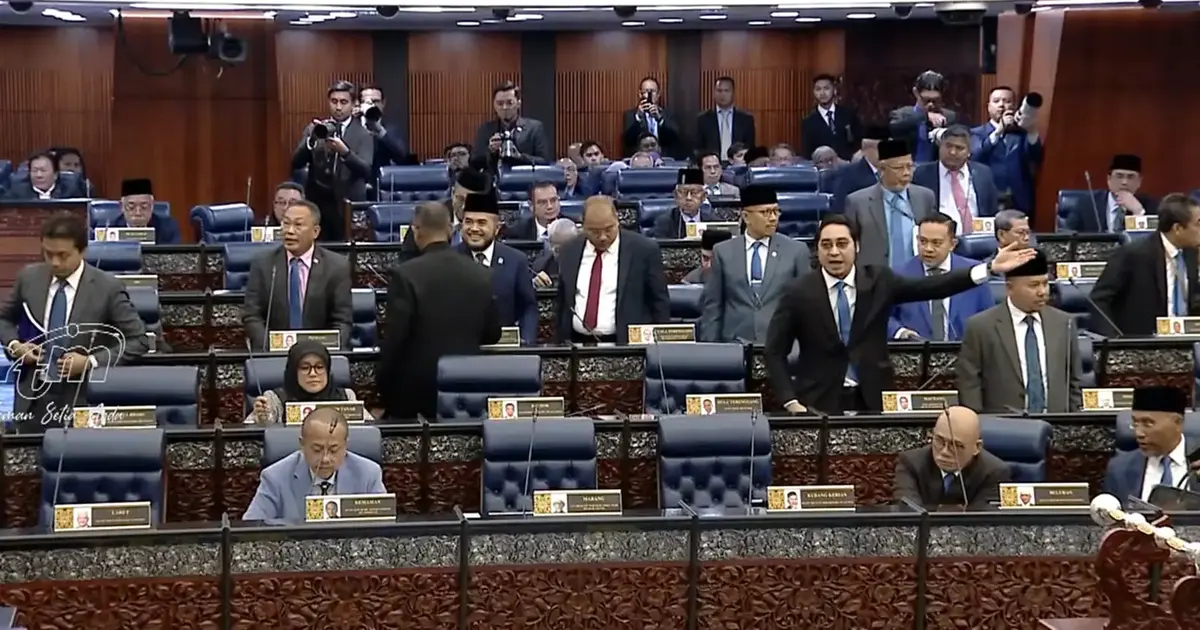
Tension escalated in the Dewan Rakyat when Perikatan Nasional lawmakers staged a coordinated walkout in response to the speaker's decision to proceed with a special parliamentary sitting without postponing proceedings. The opposition coalition argued forcefully that the session could not proceed with legitimacy while the prime minister remained absent from the chamber, marking a significant show of discontent with parliamentary procedures.
The core of PN's objection centered on parliamentary convention and the symbolic importance of executive presence during significant legislative business. PN lawmakers contended that holding a special sitting without the prime minister in attendance undermined the gravity of parliamentary proceedings and diminished the opportunity for accountability. Their position reflected broader concerns within the coalition about the proper sequencing and decorum of parliamentary business, particularly when matters of national importance are on the agenda.
The speaker's refusal to entertain the postponement request came despite PN's persistent appeals. This decision put the chair in direct confrontation with the opposition, forcing a choice between accommodating the request or maintaining the scheduled timeline. The speaker's determination to proceed suggests administrative or procedural reasons for maintaining the original schedule, perhaps related to prior commitments or legislative calendars that cannot be easily adjusted.
PN's walkout represented a theatrical but calculated political move, demonstrating party unity and resolve on parliamentary matters. By vacating the chamber, PN MPs sought to emphasize their principled stance on parliamentary conduct while signaling to the public and other lawmakers their dissatisfaction with how the special sitting was being managed. Such walkouts serve as visible expressions of protest that resonate beyond the parliamentary record.
However, the coalition's unity on this matter was incomplete. Bersatu, a member of the PN alliance, notably refrained from participating in the walkout. This divergence reveals fractures within the opposition coalition and raises questions about the cohesion of PN's political strategy. Bersatu's decision to remain in the chamber while its coalition partners exited suggests either tactical disagreement or a different assessment of the parliamentary situation's importance.
The Dewan Rakyat's composition and coalition dynamics create complex political calculations for opposition parties. When faced with procedural disputes, lawmakers must weigh the benefits of visible protest against the costs of missing parliamentary proceedings. PN's walkout placed their MPs outside the chamber during discussions, potentially limiting their ability to engage with legislative content or respond to government positions in real time.
This incident reflects the broader pattern of parliamentary tensions in Malaysia's current political landscape. The relationship between the executive and legislative branches, particularly regarding the prime minister's attendance at parliament, has periodically become a flashpoint for constitutional and procedural disputes. Questions about executive accountability and parliamentary privilege surface repeatedly during such confrontations.
Special sittings carry particular weight in parliamentary business, often being called to address urgent or significant matters requiring immediate legislative attention. The decision to hold such a sitting without the prime minister's participation struck PN as procedurally questionable, even if technically permissible under standing orders. This reflects differing interpretations of what constitutes proper parliamentary conduct and executive responsibility.
The repercussions of this walkout extend beyond the immediate parliamentary session. It signals to observers and political actors how different coalitions approach procedural disputes and whether they prioritize tactical protest over legislative participation. For PN, the walkout demonstrated a willingness to challenge the speaker and government on matters of parliamentary principle, even at the cost of missing substantive parliamentary engagement.
Bersatu's absence from the walkout carries significance for understanding coalition politics within PN. The party's decision to remain suggests either confidence that the special sitting would proceed reasonably without their participation, or disagreement with using walkouts as a tactical response to procedural disagreements. This difference in approach may reflect different organizational cultures or strategic priorities within the broader PN framework.
Looking forward, this incident illustrates the ongoing friction between Malaysia's opposition and the parliamentary authorities. Whether future special sittings will trigger similar confrontations depends on how lawmakers perceive the legitimacy and necessity of executive attendance. The speaker's willingness to override PN's request suggests that procedural timelines may take precedence over coalition demands for postponement.
The walkout also highlights how Malaysian parliament continues to grapple with questions of constitutional convention versus standing order procedure. While the speaker acted within procedural authority by refusing postponement, the political costs of that decision manifested in the walkout itself. This dynamic—technical procedure versus political consequence—will likely recur as parliament navigates future procedural disputes and coalition tensions.
For Malaysian political observers, this episode underscores the importance of coalition cohesion during parliamentary challenges. PN's partial walkout, with Bersatu remaining in the chamber, demonstrated both collective action and internal disagreement. Moving forward, opposition coalitions will need to resolve such differences or risk further erosion of unified parliamentary strategy.

