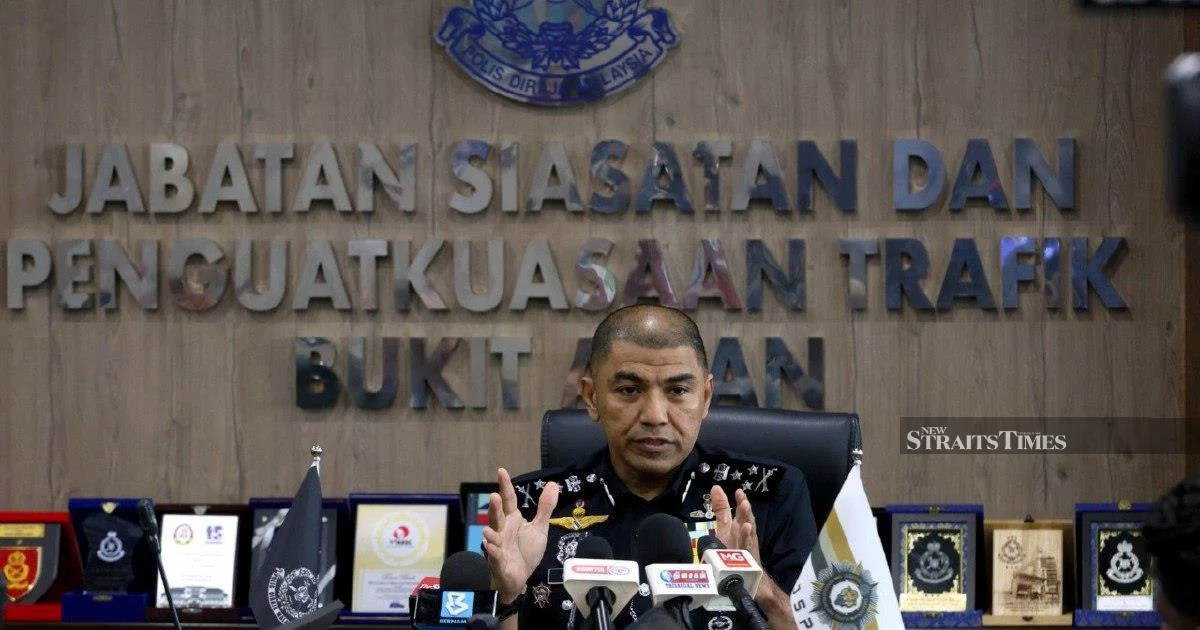
Law enforcement authorities have concluded a three-month nationwide sweep that culminated in the arrest of 121 commercial vehicle drivers across Malaysia on suspicion of driving under the influence of controlled substances. The integrated operation, which involved multiple police divisions working in coordination, underscores mounting official concern regarding substance-impaired operation of heavy commercial vehicles—a category encompassing trucks, buses, and other large transport equipment that present heightened public safety risks.
The scale of the enforcement action reflects deepening apprehension within the Royal Malaysia Police regarding the prevalence of drug use among professional drivers responsible for operating vehicles that, when involved in accidents, can inflict catastrophic consequences on other road users. Commercial vehicle accidents resulting from impaired driving can cause mass casualties and severe trauma, making this particular enforcement focus a matter of significant public interest across the transport and road safety sectors.
The three-month duration of the operation suggests a sustained, systematic approach to tackling the problem rather than sporadic enforcement activities. This extended timeline allowed police units to conduct surveillance, gather intelligence, and execute coordinated raids across multiple locations and jurisdictions simultaneously, thereby maximizing the impact of the crackdown and preventing operators from shifting their activities to avoid detection.
The targeting of commercial vehicle operators specifically represents a strategic prioritization within Malaysia's broader war on drugs. Unlike private motorists, professional drivers operate within regulated industries and often maintain fixed routes and schedules, making them theoretically easier to monitor. Additionally, the consequences of impaired driving become exponentially more dangerous when the vehicle in question weighs several tonnes and carries multiple passengers or valuable cargo at high speeds on Malaysian highways.
Public health experts and road safety advocates have long flagged substance abuse as a contributory factor in Malaysia's persistently high road fatality rates. The transport sector, characterized by long working hours, demanding schedules, and intense pressure to meet delivery deadlines, has been identified as an environment where stimulant drugs become tempting aids for drivers attempting to stay alert during extended shifts. This occupational context makes targeted enforcement operations against impaired commercial drivers particularly necessary from a preventive perspective.
The cooperation required across multiple police divisions to execute such a comprehensive operation highlights the organizational effort needed to combat this category of offence effectively. Road transport infrastructure in Malaysia spans vast distances and multiple state jurisdictions, requiring federal-level coordination and inter-agency collaboration to achieve meaningful coverage and prevent offenders from exploiting gaps in enforcement.
Beyond the immediate arrests, the operation generates important intelligence data regarding patterns of drug abuse within the commercial transport sector. Police can analyze where such offences are most prevalent, identify particular routes or times of heightened risk, and develop targeted prevention strategies informed by evidence rather than assumption. This information feeds into broader national strategies for reducing drug-related offences.
The arrests also carry implications for transport companies and vehicle operators nationwide. Organizations engaged in legitimate commercial transport operations face increasing pressure to implement robust internal monitoring systems, drug-testing protocols, and driver welfare initiatives to prevent their fleets from becoming vectors for impaired driving. Regulatory bodies overseeing the transport sector may use such enforcement data to justify stricter licensing requirements or fitness-to-drive assessments.
For the general driving public, the operation serves as a reminder that hazardous road conditions extend beyond weather, traffic congestion, and vehicle defects to include the behavioural choices of professional drivers. Enhanced awareness of this risk factor may encourage cautious interaction with heavy commercial vehicles on Malaysian roads, particularly during late-night hours when enforcement of such violations may be less visible.
The three-month timeframe also raises questions about resource allocation within the police force. Sustained enforcement operations require dedicated personnel, fuel, equipment, and coordination overhead—investments that reflect institutional prioritization of this particular road safety concern relative to other enforcement activities competing for limited resources.
Moving forward, the success of this operation will be measured not merely in arrest numbers but in whether prosecutions result in meaningful convictions and whether the heightened enforcement period produces lasting behavioural change within the commercial transport sector. Courts will need to impose penalties sufficiently severe to deter future violations, and transport operators will need to recognize that investing in driver welfare and substance abuse prevention measures constitutes a sound business decision alongside a moral imperative.

