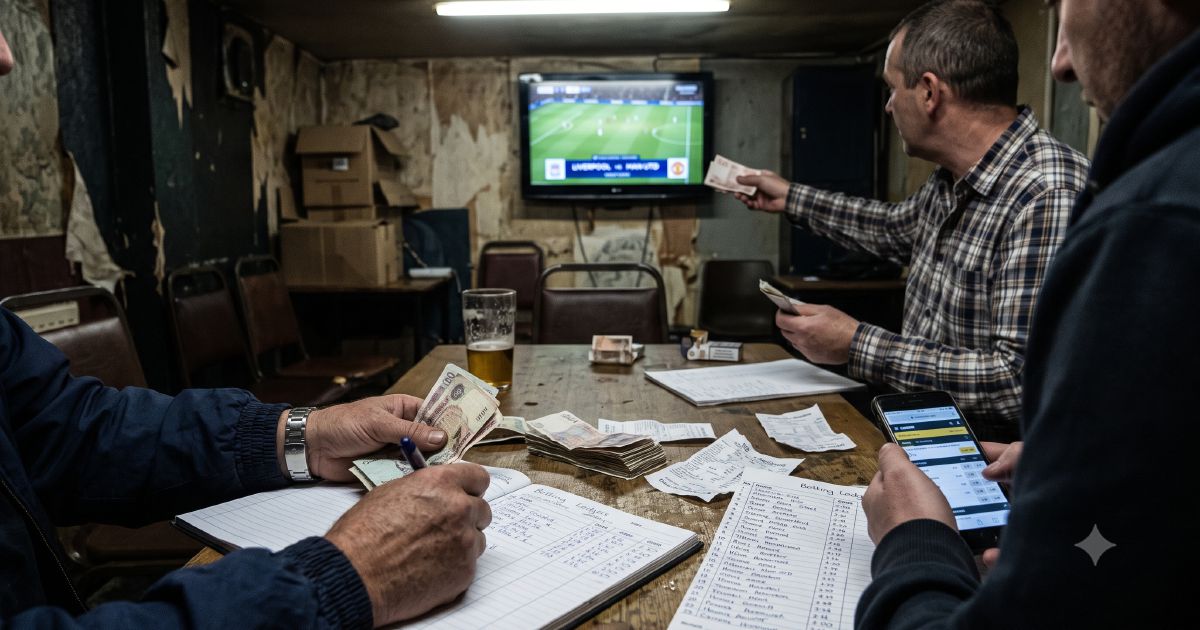
Malaysia's police force has intensified its crackdown on underground gambling networks, culminating in a major offensive that has netted 331 arrests and intercepted betting transactions exceeding RM2.63 million. The coordinated campaign, identified as Op Soga XI, represents a sustained effort to dismantle illegal sports betting infrastructure that has flourished around the FIFA World Cup 2026 tournament.
The scale of this operation underscores the persistent challenge authorities face in combating unlicensed gambling in Malaysia, particularly during major international sporting events that generate enormous wagering interest among the public. The funds intercepted during the raids suggest a sophisticated network of operators managing substantial volumes of illegal bets, reflecting both the profitability and entrenched nature of the underground betting economy.
World Cup tournaments have historically served as focal points for gambling activity across Asia, with Malaysia no exception. The quadrennial football spectacle draws millions of casual bettors alongside career gamblers, all seeking to wager on matches, player performances, and tournament outcomes. This concentration of betting interest creates windows of vulnerability that criminal syndicates exploit through unlicensed platforms, which offer minimal oversight and no consumer protections.
Op Soga XI's nationwide scope indicates that illegal betting operations have spread well beyond Kuala Lumpur and other urban centres, penetrating communities across peninsular Malaysia and the states of Sabah and Sarawak. The breadth of the enforcement action reflects police recognition that tackling underground gambling requires coordinated, simultaneous strikes rather than piecemeal interventions that allow operators to relocate or reorganise.
The timing of this operation aligns with the approaching World Cup 2026, scheduled to take place across the United States, Canada, and Mexico. The forthcoming tournament is expected to generate unprecedented global betting volumes, given the expansion to 48 teams and the expansion of the competition schedule. Malaysian authorities appear intent on disrupting illegal betting infrastructure before the tournament commences, when demand for unregulated gambling services typically peaks.
Beyond the immediate law enforcement victory, the RM2.63 million figure raises broader questions about the scale of Malaysia's underground gambling sector. Industry analysts have long estimated that illegal betting dwarfs legally sanctioned gambling through platforms such as the Malaysian government's Sports Toto and other licensed operators. This single operation's haul represents only a fraction of the estimated billions ringgit that flow through illegal channels annually.
The decision to publicise arrest numbers and intercepted funds serves multiple enforcement objectives. It sends a deterrent message to would-be bettors and operators alike, demonstrates police competence to government leadership and public audiences, and generates intelligence about how unlicensed gambling networks function and evolve. Each enforcement campaign yields operational insights that inform future policing strategies.
Unlicensed betting platforms pose distinct harms beyond their illegality. They frequently expose users to fraud, manipulation of odds, and non-payment of winnings. Bettors lack recourse when disputes arise, since these operations exist outside the law. Furthermore, underground gambling proceeds often fund other criminal enterprises, creating linkages between betting networks and organised crime syndicates involved in trafficking, extortion, and violence.
The prevalence of online gambling has transformed enforcement landscapes significantly. Unlicensed operators now offer digital platforms accessible via smartphones and computers, eliminating geographic barriers and reducing the visibility of betting activities. Investigators must employ sophisticated technological methods to identify operators, track transactions, and locate physical gambling dens where bettors congregate during major matches.
Malaysia's regulatory framework designates betting and gambling as activities subject to strict licensing requirements. The government maintains monopolistic control over legal sports betting through Sports Toto, a statutory body, while state governments operate lottery and betting operations within their jurisdictions. This licensing model aims to capture revenue for public coffers while preventing unregulated gambling from proliferating unchecked.
However, enforcement against illegal gambling faces structural constraints. Demand for gambling remains robust, particularly during events like the World Cup, creating ongoing profit incentives for criminal entrepreneurs. Technological sophistication of illegal platforms, their often-international operation, and corruption within enforcement ranks all complicate police efforts to eliminate underground betting.
The Op Soga XI arrests represent important tactical victories but reflect broader strategic challenges. Sustainable reduction of illegal gambling requires complementary approaches including public education about gambling risks, treatment services for problem gamblers, and international cooperation to disrupt cross-border betting networks. Malaysian authorities will likely deploy Op Soga XI and similar operations as recurring enforcement campaigns, particularly around major sporting events, while exploring longer-term measures to address underlying demand for unlicensed gambling services.

