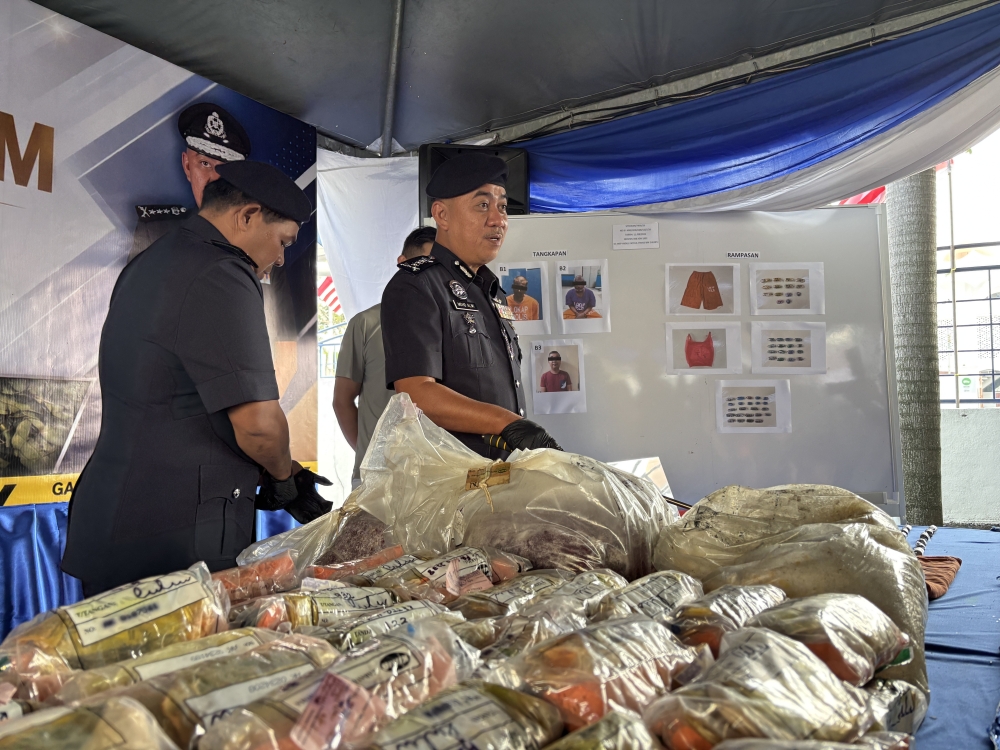
Authorities in Perak have arrested three individuals, one of whom is serving in the Royal Malaysia Police, following the discovery of controlled substances valued at RM18,534 concealed within a holding cell at the Lumut police station. The seizure underscores persistent vulnerabilities in institutional safeguards and has triggered an investigation into how contraband found its way into a secure law enforcement facility.
Officers conducting routine inspections at the Lumut station uncovered methamphetamine, heroin, and cannabis during the operation. The discovery prompted immediate action, leading to the detention of the police constable and two civilian suspects. Authorities have initiated formal investigations under relevant drug legislation, signalling the seriousness with which the force is treating the incident.
The involvement of a uniformed officer in the alleged incident represents a significant breach of public trust. Police personnel occupy positions of authority specifically tasked with enforcing narcotics laws and maintaining the integrity of detention facilities. When officers themselves become implicated in drug-related offences, it undermines confidence in institutional accountability and raises troubling questions about recruitment vetting, internal supervision, and the adequacy of workplace monitoring systems within the force.
The Lumut police station, situated in the district of Manjung in Perak, handles routine policing operations and suspect detention. That contraband was found inside a holding cell suggests either lax security protocols or potential complicity within the facility. Police cells are meant to serve as temporary secure spaces where suspects await processing or court appearances; their integrity is fundamental to operational credibility and the protection of detainee rights.
The breakdown illustrated by this seizure extends beyond the immediate individuals involved. It reflects broader institutional challenges facing Malaysia's law enforcement agencies, including resource constraints, training gaps, and the persistent challenge of maintaining ethical standards across an expanding workforce. Previous incidents of police involvement in drug trafficking have prompted calls for reform, including enhanced background checks, mandatory drug screening for officers, and stricter internal affairs protocols.
For Malaysian citizens and businesses reliant on the police force for security, such disclosures generate legitimate concern. Public confidence in law enforcement depends critically on the perception that officers are bound by the same legal and ethical standards they enforce against the general population. When cases emerge demonstrating that some officers have crossed that line, the resulting reputational damage extends across the entire institution.
The discovery also carries implications for Perak's broader drug control efforts. The state has grappled with persistent methamphetamine production and trafficking, with clandestine laboratories periodically dismantled across rural areas. When enforcement personnel become involved in narcotics networks, it potentially compromises ongoing investigations and undermines prosecutorial efforts against major trafficking operations. Intelligence gathered by compromised officers may be unreliable, and suspects detained under questionable circumstances may challenge charges in court.
Internally, the Royal Malaysia Police has established disciplinary mechanisms and an independent complaint body to address officer misconduct. However, critics argue these systems have historically moved slowly and have sometimes appeared reluctant to pursue cases involving serving personnel. The Lumut incident will likely renew pressure on the police force to demonstrate that internal accountability frameworks function effectively and impartially, regardless of rank or tenure.
For the wider Southeast Asian region, Malaysia's policing challenges resonate beyond its borders. The country serves as a significant transit hub for narcotics destined for Australia and regional markets, and corruption within law enforcement can facilitate trafficking operations. Regional intelligence-sharing arrangements and bilateral cooperation depend partly on confidence that partner agencies maintain professional standards. When systemic weaknesses emerge, they can compromise coordinated law enforcement efforts across the region.
The investigation into the Lumut incident will likely examine whether the police constable knowingly facilitated the introduction of drugs into the facility, whether he possessed the substances for personal use, or whether he was manipulated by external parties. Equally important will be determining how long the contraband remained undetected and what gaps in standard security procedures allowed it to reach the holding cell.
Penal Code provisions covering drug trafficking carry severe penalties, and police officers convicted of such offences face additional professional consequences, including permanent dismissal and loss of pension entitlements. The severity of potential outcomes may explain the force's apparent willingness to pursue the investigation promptly rather than shelving the matter internally.
Moving forward, the Lumut discovery provides an opportunity for the police force to demonstrate genuine commitment to institutional reform. Implementing surveillance technologies in holding cells, rotating staff assignments to reduce familiarity and complacency, and conducting surprise security inspections across all stations could strengthen facility security. More broadly, investing in officer wellness programmes, financial counselling, and addressing recruitment practices may help prevent situations where personnel become vulnerable to involvement in criminal networks.
The case serves as a cautionary reminder that law enforcement agencies require the same level of scrutiny and accountability as the institutions they oversee. Public trust, once damaged, requires sustained effort to rebuild, and the police force's willingness to investigate and prosecute its own members will significantly influence how effectively it can restore confidence among Malaysian citizens and maintain credibility within regional security partnerships.

