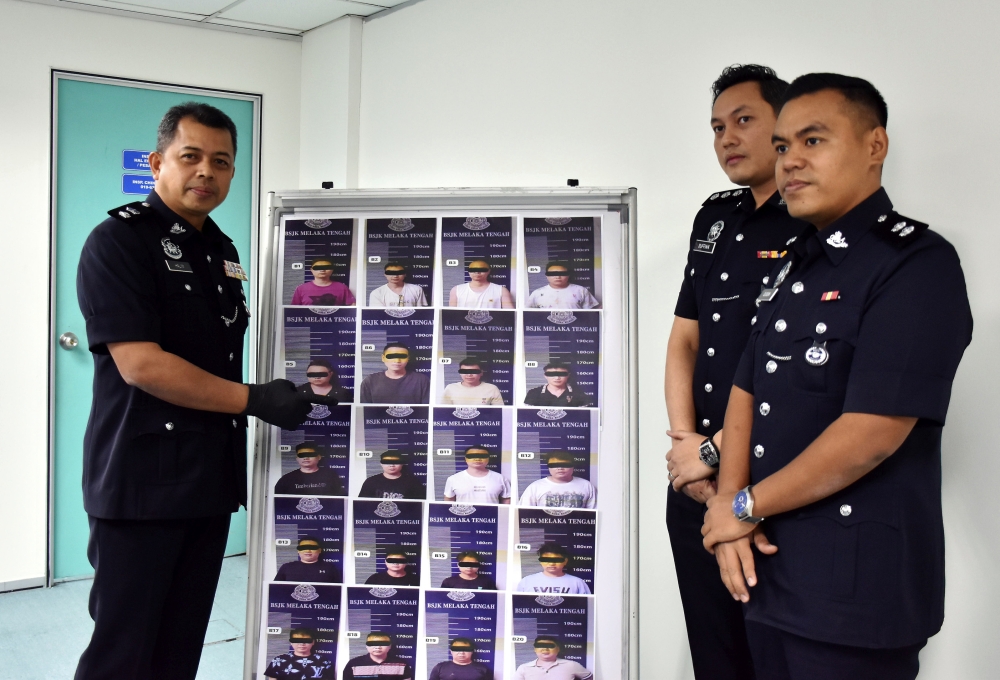
Authorities in Melaka have successfully broken up an international investment fraud operation after arresting 21 Chinese nationals allegedly involved in perpetrating a sophisticated bogus investment scheme. The multi-million ringgit scam, which targeted vulnerable investors across Malaysia and reportedly extended into neighbouring countries, represents the latest in a growing pattern of cross-border financial crimes that have increasingly tested regional law enforcement capabilities.
The investigation leading to the bust emerged following multiple complaints from victims who had transferred substantial sums of money into the scheme after being lured by promises of exceptional returns. The modus operandi typically involved slick marketing materials, fabricated testimonials from purported successful investors, and high-pressure sales tactics conducted primarily through digital platforms and messaging applications. These tactics proved particularly effective against older Malaysians and those unfamiliar with sophisticated financial fraud techniques, allowing the syndicate to accumulate losses affecting scores of individuals across the peninsula.
According to preliminary police statements, the operation was coordinated from a series of premises across Melaka, where the accused maintained computer servers, call centres, and administrative operations. The geographical choice of Melaka appears deliberate, as the state's strategic location and numerous commercial spaces provided convenient cover for the syndicate's illicit activities while remaining accessible to both local and foreign operatives. Evidence seized during raids includes multiple computers, mobile phones, banking documents, and company registration records that authorities suggest were instrumental in maintaining the fraudulent enterprise.
The establishment of this particular syndicate underscores a persistent challenge facing Southeast Asian nations—the relative ease with which organised crime groups can exploit jurisdictional boundaries and operate from one country while victimising citizens across multiple others. Chinese nationals have been implicated in similar schemes previously uncovered in Thailand, the Philippines, and Singapore, suggesting either coordinated regional networks or copycat operations capitalising on proven methodologies. The arrested individuals reportedly possessed various visas and entry credentials, indicating sophistication in evading immigration scrutiny during the scheme's operational phase.
The mechanics of the fraud appear to have involved creation of entirely fabricated investment platforms and companies with no legitimate business operations. Victims were directed to deposit funds via cryptocurrency transfers, international bank remittances, and money exchange services that deliberately fragmented the financial trail. Once money entered the system, perpetrators deployed it across multiple channels—portions recycled to pay initial dividends to early investors to maintain credibility, amounts diverted to personal accounts, and residual sums funnelled through informal money transfer networks known colloquially as hawala systems.
For Malaysian victims, the psychological impact of such schemes extends beyond immediate financial loss. Many individuals, particularly retirees and those approaching retirement age, reported feelings of shame and humiliation upon realising they had been deceived, often delaying their own reports to authorities. This reporting lag significantly hampers investigators' ability to preserve digital evidence and freeze suspect accounts before funds disappear into offshore channels. The cumulative effect across multiple victims in multiple cases suggests that the true financial impact of this particular syndicate may ultimately exceed initial police estimates.
The investigation's success in identifying and apprehending such a large suspected syndicate simultaneously within Melaka demonstrates improved coordination between federal and state police forces, enhanced digital forensics capabilities, and growing expertise in tracking transnational fraud operations. Malaysian authorities have increasingly invested in training personnel to recognise money laundering patterns and document cryptocurrency trails, capabilities that proved instrumental in this case. However, the sheer numbers arrested—21 individuals—raises questions about the supporting cast remaining at large, whether abroad or yet to be identified within Malaysia.
International law enforcement cooperation appears to have been integral to the investigation, particularly in establishing connections between the Melaka-based operation and related activities identified in other jurisdictions. Interpol notices and bilateral information sharing with Chinese and other regional authorities likely contributed to tracing the organisational structure and identifying key operatives. These cooperative mechanisms, while improving, remain inconsistently applied across Southeast Asia due to varying bureaucratic procedures and occasional diplomatic sensitivities.
The charges these individuals face could encompass fraud, cheating, money laundering, and potentially immigration violations depending on how authorities choose to prosecute. The legal framework under which they will be tried—whether Malaysian criminal law alone or in coordination with extradition considerations—remains to be determined, though Malaysian jurisprudence has consistently demonstrated willingness to pursue foreign nationals involved in organised crime on Malaysian soil. The case may well set precedent regarding prosecution strategies for complex, international white-collar crime operations.
For Malaysian investors and the general public, this bust offers a sobering reminder about the importance of investment due diligence and scepticism toward guaranteed returns. The Securities Commission Malaysia and Bank Negara Malaysia have repeatedly cautioned citizens about unregistered investment schemes, yet many individuals remain susceptible to sophisticated marketing. Enhanced public awareness campaigns, coupled with improved regulatory oversight of digital financial platforms and cryptocurrency transactions, represent ongoing policy priorities for managing such risks.

