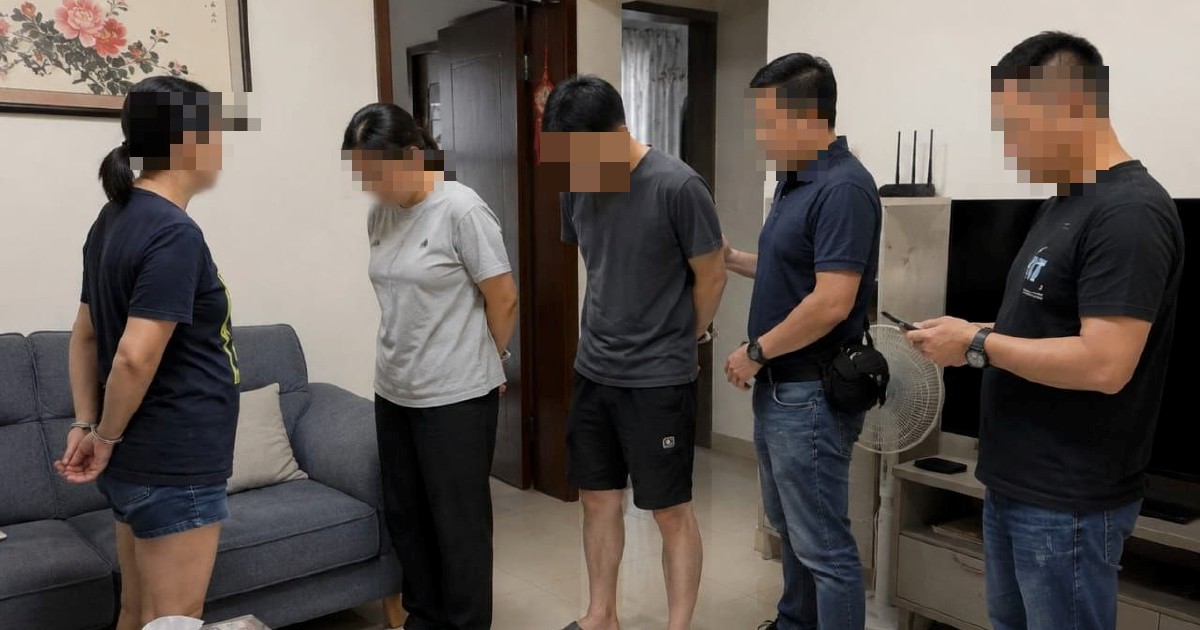
Police in Sabah have successfully dismantled an organised fraud operation that exploited vulnerable residents seeking spiritual guidance, with authorities arresting a total of twelve suspects linked to the elaborate scam. The syndicate orchestrated a systematic deception centred on fortune-telling services and ceremonial ritual cleansing offerings, presenting these activities as genuine methods to eliminate negative spiritual forces and reverse bad fortune. Over the course of the operation's lifespan, the criminal network extracted approximately RM600,000 from unsuspecting victims across the region, marking one of the more significant cases of its kind in the state's recent crime records.
The modus operandi employed by the defendants involved targeted advertising and personal outreach to potential victims, with particular focus on individuals experiencing financial hardship, relationship difficulties, or other personal crises. Perpetrators positioned themselves as spiritually-gifted practitioners possessing exceptional powers to diagnose and remedy supernatural afflictions affecting their clients. Through carefully crafted narratives, they persuaded victims that accumulated spiritual contamination was the root cause of their misfortunes, requiring immediate intervention through expensive cleansing rituals and personalised fortune-telling consultations.
This category of fraud carries particular resonance across Malaysia and Southeast Asia, where traditional spiritual beliefs remain deeply embedded within cultural consciousness. Unlike straightforward financial scams that target specific demographics, spiritual healing frauds exploit fundamental human vulnerabilities—the desire for explanation during difficult periods and the hope that intervention might improve life circumstances. The psychological manipulation employed often proves more sophisticated than conventional con operations, as perpetrators establish themselves as authority figures commanding trust and deference from their clients.
The investigation revealing this network's activities demonstrates evolving police capacity in detecting and prosecuting complex fraud schemes. Authorities likely conducted extensive financial analysis tracing money flows between victims and perpetrators, cross-referenced communications, and identified the hierarchy within the criminal organisation. Such investigations require sustained coordination between multiple units and often benefit from victim cooperation, particularly when those defrauded overcome initial shame or embarrassment about falling victim to such schemes.
The timing of this breakthrough comes amid heightened awareness across Southeast Asia regarding predatory practices exploiting spiritual and cultural traditions. Malaysian authorities have increasingly recognised that fraud targeting residents through supernatural claims requires dedicated investigation resources and public education initiatives. Similar operations have surfaced in neighbouring jurisdictions, indicating this represents a regional challenge rather than isolated criminal activity confined to particular districts.
Victims of such scams frequently report experiencing profound psychological distress beyond mere financial loss. Many describe feelings of betrayal and humiliation following discovery of the deception, particularly when they had sought help during vulnerable emotional periods. This emotional dimension often complicates victim recovery and willingness to report incidents to authorities, creating conditions where scammers operate with relative impunity across multiple jurisdictions before eventual detection.
The arrests in Kota Kinabalu reflect broader law enforcement efforts across Malaysia to address fraud variants exploiting cultural and spiritual dimensions of society. Consumer protection agencies and police departments have expanded training for officers regarding psychological manipulation tactics employed in such cases. Educational campaigns have similarly increased, attempting to build public awareness of common deception methods while respecting legitimate spiritual practices and practitioners operating ethically within their communities.
Industry observers note that distinguishing between fraudulent operators and legitimate spiritual practitioners presents ongoing challenges for both law enforcement and consumers. Legitimate fortune-tellers and healers operating in Malaysia typically operate transparently, maintain established reputations within their communities, and do not employ high-pressure sales tactics or make guarantees regarding specific life outcomes. Conversely, fraudulent operations frequently employ urgency messaging, demand substantial payments upfront, and make unrealistic promises regarding problem resolution.
The successful prosecution of such cases carries deterrent value extending beyond the immediate defendants. Media coverage of arrests and convictions raises public awareness regarding scam methodologies, potentially preventing others from becoming victims. Simultaneously, documented judicial consequences provide clarity regarding legal frameworks protecting consumers against fraud, regardless of whether deception occurs through spiritual or commercial channels.
Moving forward, Sabah authorities appear positioned to pursue additional investigations that may emerge from intelligence gathered during this operation. Financial records and communications seized during arrests likely contain information identifying additional victims who may not yet have reported losses to police. Such discoveries often prompt secondary waves of victim contact as authorities work to compile comprehensive casualty figures and trace fund flows throughout the criminal network's operational period.
The RM600,000 in losses underscores substantial economic impact when fraud operates at scale across vulnerable populations. Resources extracted through such schemes represent genuine hardship for victims, many of whom likely sacrificed savings or undertook debt to finance the purported spiritual interventions. Recovery of funds presents ongoing challenges for both authorities and affected individuals, as money frequently circulates through multiple accounts and beneficiaries within syndicate structures.

