Negeri Sembilan police have launched a formal investigation into a controversial TikTok video that allegedly features statements by a political party addressing the state's royal institution. The move comes as the state gears up for its general election on Saturday, with early voting scheduled for tomorrow, creating a sensitive backdrop for the inquiry.
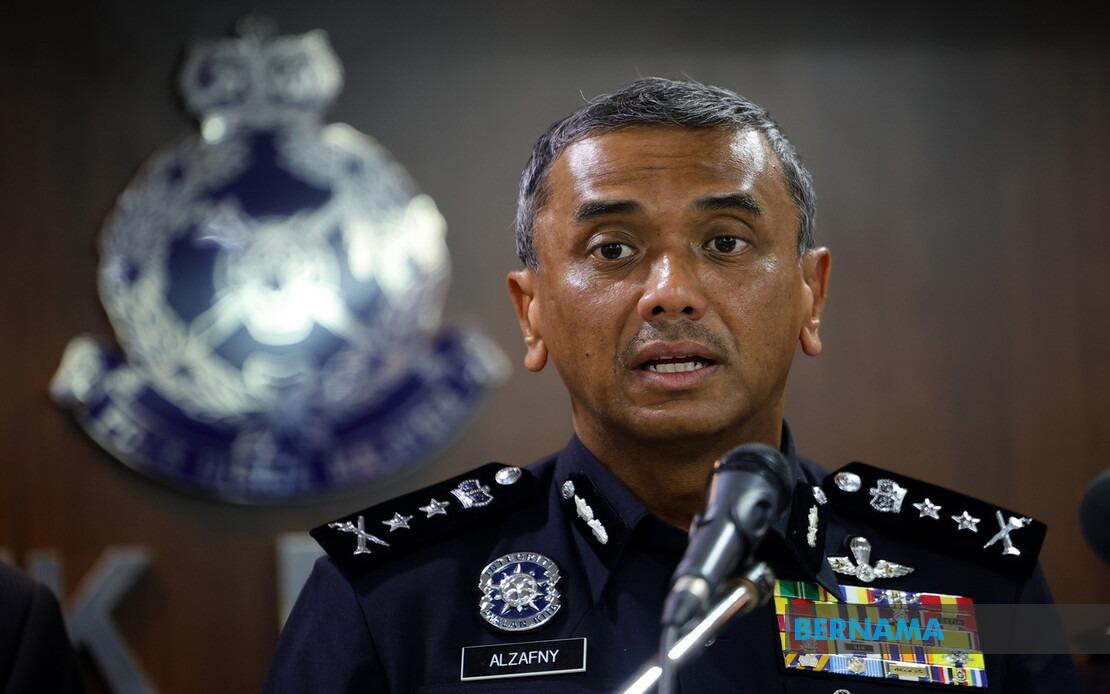
The investigation was triggered after the state police force received 11 reports regarding the video's content. Negeri Sembilan police chief Datuk Alzafny Ahmad confirmed the probe is underway, with investigators carefully examining both the material itself and the surrounding context of the remarks in question. The examination will be conducted under multiple legal frameworks, reflecting the gravity with which authorities are treating the matter.
The investigation draws on three separate pieces of legislation to determine whether any offences have occurred. Section 4(1) of the Election Offences Act 1954 provides the primary framework, as the incident occurs during an active election period when regulations governing political conduct are particularly stringent. Additionally, Section 505(b) of the Penal Code addresses statements that may incite public alarm or anxiety, while Section 233 of the Communications and Multimedia Act 1998 covers online content that breaches acceptable standards. The multi-pronged legal approach underscores authorities' concerns about the potential implications of such content during an election campaign.
The timing of this investigation is particularly significant given Malaysia's longstanding constitutional protections surrounding the royal institution. References to the monarchy and state rulers occupy a uniquely protected status in Malaysian public discourse, enshrined in Article 10 of the Federal Constitution. Any political commentary that touches upon these institutions during an election campaign faces heightened scrutiny, as statements made in this context carry amplified reach and potential to influence voter sentiment through sensitive channels.
The police have issued a public advisory urging citizens to refrain from speculating about the video's contents or circulating it further. This cautionary approach reflects a deliberate strategy to prevent the material from gaining wider traction during the final days of campaigning. The authorities worry that continued viral circulation could undermine their investigation by allowing evidence to be contaminated or edited, while also potentially inflaming public sentiment during a period when tensions are naturally elevated due to electoral competition.
Datuk Alzafny Ahmad's statement also served as a broader reminder to all political participants about their responsibilities when engaging with social media platforms. He specifically highlighted the importance of avoiding commentary that touches on race, religion, and the royal institution—commonly referred to as the "3R" in Malaysian public discourse. This framework represents a core principle of Malaysian political stability, designed to preserve national harmony by keeping certain foundational institutions beyond the scope of partisan dispute.
The incident reflects broader challenges facing Malaysian political parties during election campaigns. While freedom of expression is constitutionally protected, practical limits exist when statements risk touching on constitutionally sensitive areas. Political operatives must navigate a narrow corridor between engaging voters on substantive issues and avoiding transgression into protected territory. The difficulty of this balance becomes particularly acute when campaigns are conducted through social media, where content can spread rapidly and context can easily be lost or distorted.
For Negeri Sembilan specifically, this controversy arrives at a crucial moment in the state's political calendar. The state election represents an important test of voter sentiment and party performance, particularly in a federal system where state-level results can have implications for national coalition dynamics. Any disruption to the electoral process through controversial content or allegations of institutional disrespect threatens to overshadow substantive policy discussions and shift focus to procedural and constitutional matters.
The police investigation will likely conclude relatively quickly, given that voting occurs on Saturday. However, the ramifications could extend well beyond the formal investigation period. If evidence of wrongdoing is found, it could trigger legal proceedings and potentially damage the involved party's standing among voters who view institutional respect as paramount. Conversely, if the investigation finds no violation, it may be perceived as overly lenient or politically motivated depending on observers' perspectives.
This episode also highlights the evolving nature of election-era challenges in Southeast Asia, where rapid digitalization has outpaced traditional regulatory frameworks. Political parties, election authorities, and law enforcement are collectively grappling with how to manage information flow and political expression during campaigns in an era of instant viral potential. Negeri Sembilan's experience will likely inform how other Malaysian states and regional democracies approach similar situations in future electoral cycles.
The investigation's outcome will carry significance beyond the immediate legal determination. It will signal to Malaysian political actors how seriously authorities interpret potential breaches of constitutional protections during election periods. Furthermore, it demonstrates the state's commitment to maintaining the foundational respect for institutions that Malaysian political culture considers essential for social stability and democratic legitimacy.

