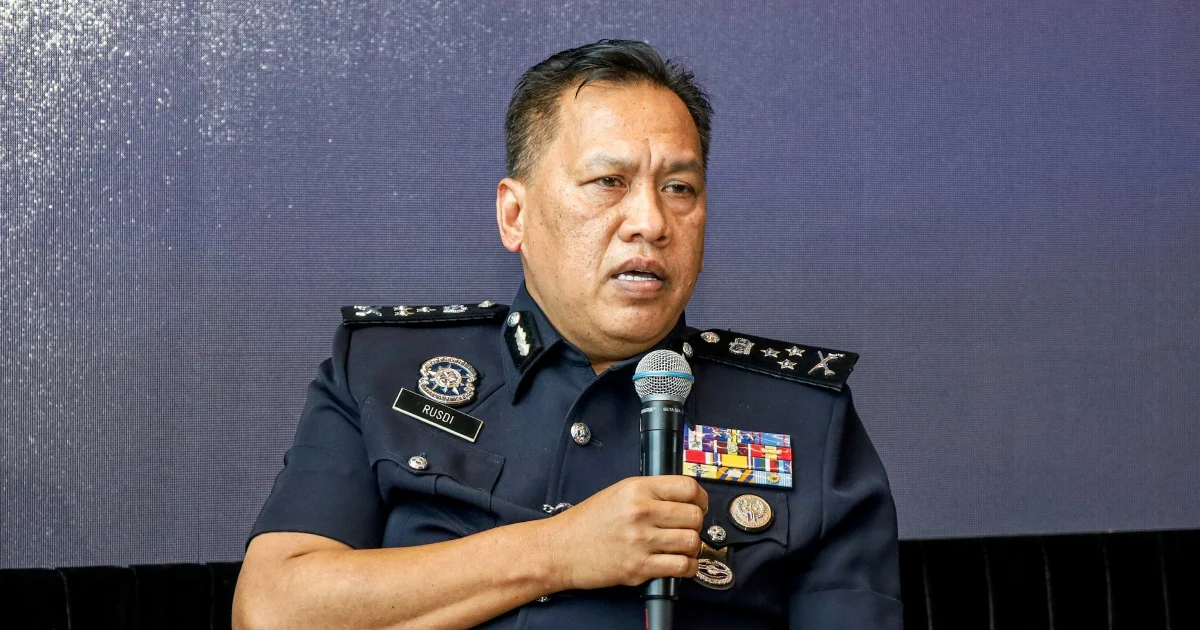
Police in Kuala Lumpur have formally launched a criminal investigation into allegations of signature forgery stemming from administrative failures at Ukay Perdana Muslim Cemetery in Hulu Kelang. The inquiry focuses on fraudulent documentation that prevented the timely burial of a deceased individual, raising serious questions about the management and oversight of burial facilities in the capital's outer areas.
The case has drawn attention to vulnerabilities in cemetery administration and document verification procedures that govern Islamic burials in Malaysia. Cemetery operations typically require multiple authorization signatures from qualified officials before interment can proceed, a safeguard meant to ensure proper Islamic protocols are followed and prevent administrative confusion. When these authentication processes break down through forged documentation, families face distressing delays during an already traumatic period.
The situation highlights a broader challenge facing Muslim burial facilities across the Klang Valley, where rapid population growth and administrative complexity sometimes outpace institutional capacity. Ukay Perdana, one of several Muslim cemeteries serving the greater Kuala Lumpur region, processes hundreds of burials annually, and lapses in document handling can create bottlenecks affecting grieving families who must navigate both religious requirements and bureaucratic procedures.
For Malaysian Muslim families, timely burial is not merely administrative but deeply rooted in Islamic teaching. Islamic law generally requires burial within 24 hours of death when circumstances permit, emphasizing the urgency with which bereaved relatives must navigate cemetery procedures. Delays caused by administrative failures therefore carry significant emotional and spiritual weight, beyond standard service concerns that might apply to other government facilities.
The investigation opens a window into how such forgeries occur. Sometimes they stem from individual misconduct by cemetery staff seeking shortcuts or handling multiple cases simultaneously. Other instances reveal systemic weaknesses: inadequate training of personnel, absence of robust verification systems, poor document management, or insufficient oversight by cemetery management boards. The Kuala Lumpur police investigation will need to determine which factors contributed to the Hulu Kelang incident.
Churchill-era burial grounds and heritage sites across Malaysia occasionally face related administrative challenges, but Muslim cemeteries operate under particularly strict theological and legal frameworks. The Islamic Affairs Division and respective state Islamic religious authorities maintain oversight, yet enforcement of documentation standards sometimes falters when cemetery staff lack adequate resources or training. This investigation may prompt authorities to review training protocols and verification procedures across other facilities.
The delay experienced by the affected family likely extended days beyond Islamic preference, forcing relatives to make difficult decisions about viewing arrangements, prayers, and funeral schedules. Such incidents also erode public confidence in government-operated burial facilities and may encourage families to seek alternatives, such as private cemeteries or burials in their home states despite living in Kuala Lumpur long-term.
Police have not yet publicly disclosed the nature of the forged signature, whether it belonged to a cemetery administrator, religious official, or local authority representative. The probe will establish whether the forgery was deliberate deception or resulted from negligence in verifying signatures. This distinction carries implications for criminal charges, ranging from fraud to falsifying public documents, each carrying different penalties.
The Hulu Kelang cemetery incident underscores the need for modernizing administrative systems at burial facilities across Malaysia. Digital verification systems, secure signature authentication, and clear documentation chains could reduce the human error and deliberate falsification that plague current paper-based processes. Several state Islamic authorities have begun implementing such upgrades, but adoption remains inconsistent.
Beyond the criminal investigation, families who experienced burial delays will likely seek accountability and compensation. The city council or relevant local authority may face civil claims or administrative complaints. Such cases often trigger internal audits and policy reforms, though changes sometimes arrive only after public embarrassment rather than through proactive improvements.
The investigation also carries implications for trust in administrative institutions managing essential services. When forgery occurs in sensitive areas like burial management, it reinforces perceptions that government facilities lack adequate oversight. This compounds existing concerns about cemetery maintenance, cleanliness, and record-keeping that have occasionally triggered complaints in the Klang Valley.
Police have not announced a timeline for concluding their investigation, but such cases typically take several weeks as officers gather testimony, examine documents, and trace the forged signatures to their source. Depending on findings, charges may follow against specific individuals. The outcome will likely influence how the Federal Territories Islamic Affairs Department and local cemetery management structures review and strengthen their verification protocols.

