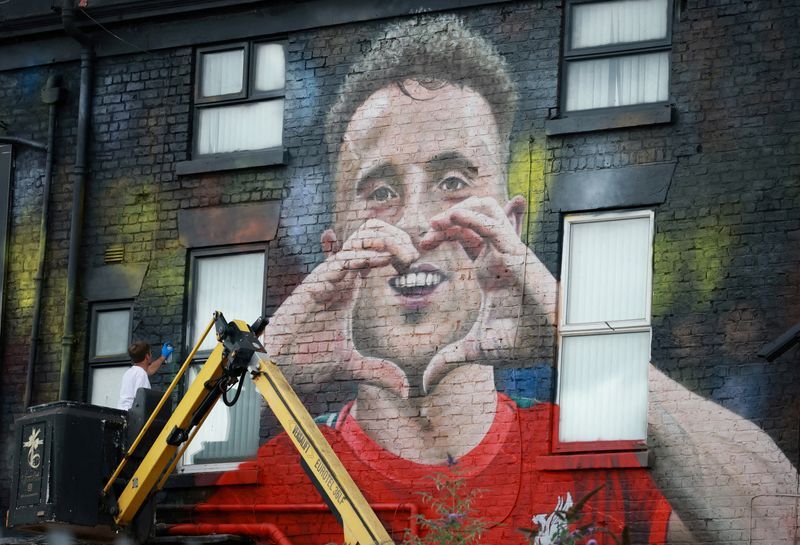
Portugal will step onto the field to face Croatia in the World Cup round of 32 on Thursday, but the match carries significance that transcends sport. As the teams clash in Toronto, midnight will strike back home in Portugal, marking exactly one year since Diogo Jota, the celebrated Liverpool midfielder, and his brother André Silva were killed in a car crash in northwestern Spain. The Lamborghini they were travelling in veered off the road and burst into flames, shocking the nation and reverberating through the football world.
The timing of this particular fixture has infused the Portuguese camp with an emotional intensity that extends far beyond their quest for tournament glory. Manager Roberto Martinez, who has characterised Jota as the team's guiding light, made the symbolic gesture of naming him as an honorary member of the World Cup squad—a poignant acknowledgement of the 28-year-old's irreplaceable place in the national team's fabric. This decision reflects not merely nostalgia but a deliberate commitment to ensuring Jota remains a tangible presence throughout Portugal's campaign.
The ways in which Jota's teammates have chosen to honour his memory reveal the depth of connection that bound the squad together. Midfielder Rúben Neves, who shared a close friendship with Jota, has adopted his fallen friend's number 21, carrying it forward as a living tribute. Such gestures transform a jersey into something profoundly personal—no longer simply a uniform but a vessel for remembrance and connection. Prime Minister Luís Montenegro further amplified this collective mourning by presenting the squad with wristbands bearing Jota's name, ensuring that every player would carry his memory literally upon their wrists throughout the tournament.
The emotional weight of these commemorations became viscerally apparent during Portugal's opening World Cup match against DR Congo in Houston, where Jota's parents, Isabel and Joaquim Silva, sat in the stands. The tribute to their son moved them to tears—a reminder that beneath the spectacle of international football lies human grief that continues to reverberate long after the initial shock has subsided. For the Silva family and the Portuguese community, the World Cup has become not merely a celebration of sporting achievement but a framework within which to process and acknowledge their profound loss.
Portuguese defender Vitinha articulated the emotional landscape facing the squad as they prepare for the Croatia encounter. In his pre-match comments, he spoke of the multiple layers of motivation driving the team: their families, the nation itself, and the singular imperative to honour Diogo Jota's memory. Such expressions underscore how this particular fixture functions as something more than a routine knockout round—it becomes a stage upon which Portugal's players can channel their grief into competitive determination.
Jota's influence extended beyond the Portuguese camp into the international football community, particularly affecting those who knew him personally. Andy Robertson, the Scotland captain and Liverpool teammate, was profoundly impacted when Scotland secured their World Cup berth in November. Robertson's immediate thoughts turned to Jota, crystallising the bonds that transcend national boundaries and rival club allegiances. When the tournament commenced, Jota's widow, Rute Cardoso, reached out to Robertson with a message of extraordinary grace. She wrote to him acknowledging his tribute, telling him that when he stepped onto the pitch, Diogo would accompany him in his thoughts, his steps, and his heart. Her words transformed personal grief into collective strength, suggesting that loss itself could become a catalyst for elevated performance and meaningful action.
For Portugal's players, Jota represented far more than a particularly talented colleague. He embodied a generation that had helped sustain Portugal's position among football's elite nations, a respected presence in the dressing room who delivered crucial goals and moments when they mattered most. His scoring record of 14 goals in 49 appearances for Portugal speaks to his consistent quality, whilst his absence from the 2018 World Cup due to a calf injury makes one contemplate what additional achievements might have marked his career. Had he remained alive, Jota would almost certainly have been part of this North American squad, contributing his skills and experience to Portugal's campaign.
The passage of a single year has proven insufficient to diminish the pain experienced by those who knew Jota or followed his career. Yet football, with its relentless rhythm and competitive imperatives, demands that teams move forward whilst honouring those lost. This tension between grief and progression has become the defining characteristic of Portugal's World Cup presence, as they attempt to channel their emotions into positive outcomes on the pitch.
Within Toronto's Little Portugal neighbourhood, the Portuguese-Canadian community views Thursday's match through the lens of Jota's memory. Miguel De Silva, owner of Amigos da Dundas Sports Bar, recognised that the anniversary would provide an additional emotional impetus for Portugal's players. He suggested that Jota's legacy would serve as another compelling reason for the squad to secure victory, transforming personal tragedy into collective motivation. This sentiment captures how sporting moments can become vehicles for community cohesion and shared purpose, particularly when they intersect with profound loss and remembrance.

