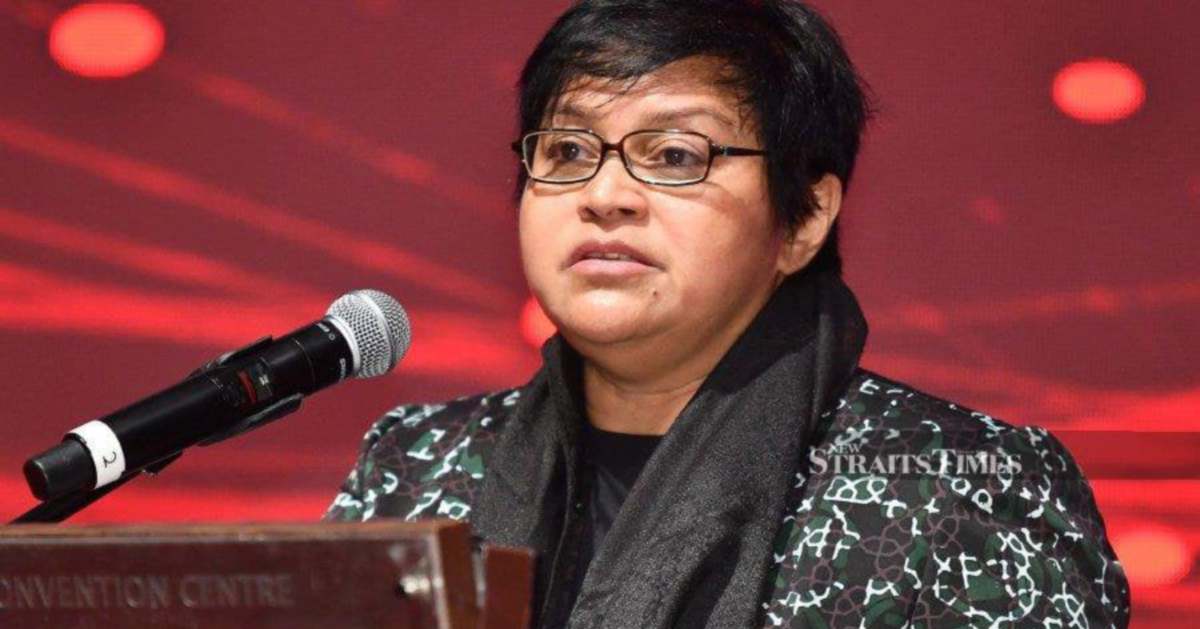
Umno information chief Datuk Seri Azalina Othman Said has counselled against premature speculation regarding coalition arrangements in Johor, emphasizing that meaningful discussions should only commence once the ballots are counted and outcomes are definitively established. Her remarks reflect the cautious approach senior party figures are adopting as the state navigates its electoral cycle, preferring to allow voters to determine the political landscape before deliberations begin on potential governing partnerships.
The timing of such pronouncements carries particular significance in Malaysian politics, where post-election coalition-building has become an increasingly complex and unpredictable process. Azalina's statement effectively draws a line between campaign rhetoric and serious negotiation, suggesting that entering into preliminary talks before voters have spoken risks creating complications that could undermine legitimacy or fracture existing party alliances. This disciplined messaging appears calibrated to prevent defections or public discord within Umno's ranks during the crucial campaigning period.
Johor represents one of Malaysia's most politically consequential states, with its outcome often influencing broader national political trajectories. The state has historically been an Umno stronghold, though recent electoral cycles have demonstrated vulnerabilities as opposition movements have gained traction in urban centres and among younger voters. Any coalition arrangement that emerges will likely shape not only Johor's governance but also carry implications for federal-level politics and the balance of power within the Malay-majority ruling coalition.
Azalina's emphasis on waiting for election results underscores a recognition that speculation about post-election coalitions can become self-fulfilling or destabilizing. Voters might perceive early coalition discussions as indicative of predetermined outcomes regardless of actual balloting, potentially dampening turnout or encouraging tactical voting. By insisting that conversations must follow electoral results, the Umno leadership aims to preserve the sanctity of the democratic process and ensure that negotiating partners genuinely reflect the electorate's choices.
The statement also addresses internal party management within Umno itself. Coalition discussions invariably involve questions about seat distribution, ministerial portfolios, and policy priorities that can generate tension among competing factions. By deferring such conversations until after votes are tallied, Azalina's position allows current campaign efforts to remain unified and focused, without factional interests fragmenting the party's collective effort during the election period. This sequencing prevents ambitious figures from publicly manoeuvring for advantageous positions before the outcome is known.
For smaller political parties and independent candidates, the message carries additional weight. Many such entities find themselves in precarious positions during campaigns, unclear about which coalition might become viable after election day. Azalina's statement implicitly encourages them to focus on their own campaigns rather than making binding commitments to uncertain coalitions, though this inevitably means that post-election horse-trading could become especially intense and unpredictable.
The broader context of Johor politics reflects decades of political continuity disrupted by recent democratic shifts. While Umno maintained dominance for generations, the 2018 federal election and subsequent state developments demonstrated that voter preferences can shift rapidly. Any future Johor coalition must therefore reckon with this volatility and the reality that traditional assumptions about political alignment no longer hold automatically.
International observers and regional analysts closely monitor Johor's political developments given the state's economic importance and strategic location. Coalition formations that emerge post-election will inevitably be interpreted as signals regarding Malaysia's broader governance direction, investor confidence, and the trajectory of competing ideological movements within the country. Clear and stable governance arrangements matter tremendously for both domestic development priorities and external relationships.
The disciplined approach Azalina advocates also reflects lessons learned from previous coalition negotiations that became protracted, contentious, or resulted in unstable governments. Malaysian politicians have experienced scenarios where premature coalition discussions created expectations that subsequent election results failed to justify, leading to fractious negotiations or allegations of betrayed commitments. By establishing a clear boundary between campaign and coalition-building phases, Umno appears determined to avoid repeating those dynamics.
For Malaysian voters in Johor, Azalina's position essentially signals that the democratic process will operate sequentially: first campaigns and voting, then negotiations based on results. This framing respects the principle that election outcomes should determine coalition possibilities rather than predetermined arrangements that obscure voter choice. The approach also reduces the likelihood of coalition negotiations beginning immediately after polls close, when emotions run high and negotiating positions remain rigid.
Looking ahead, the period between voting day and the formation of a new Johor government will prove politically significant. The willingness of various parties to engage in inclusive coalition discussions, accept minority status, or negotiate substantive policy compromises will demonstrate the maturity and pragmatism of Malaysia's political class. Azalina's insistence on deferring such conversations until results are known represents a foundational commitment to sequential, results-based governance formation rather than predetermined arrangements imposed upon voters.

