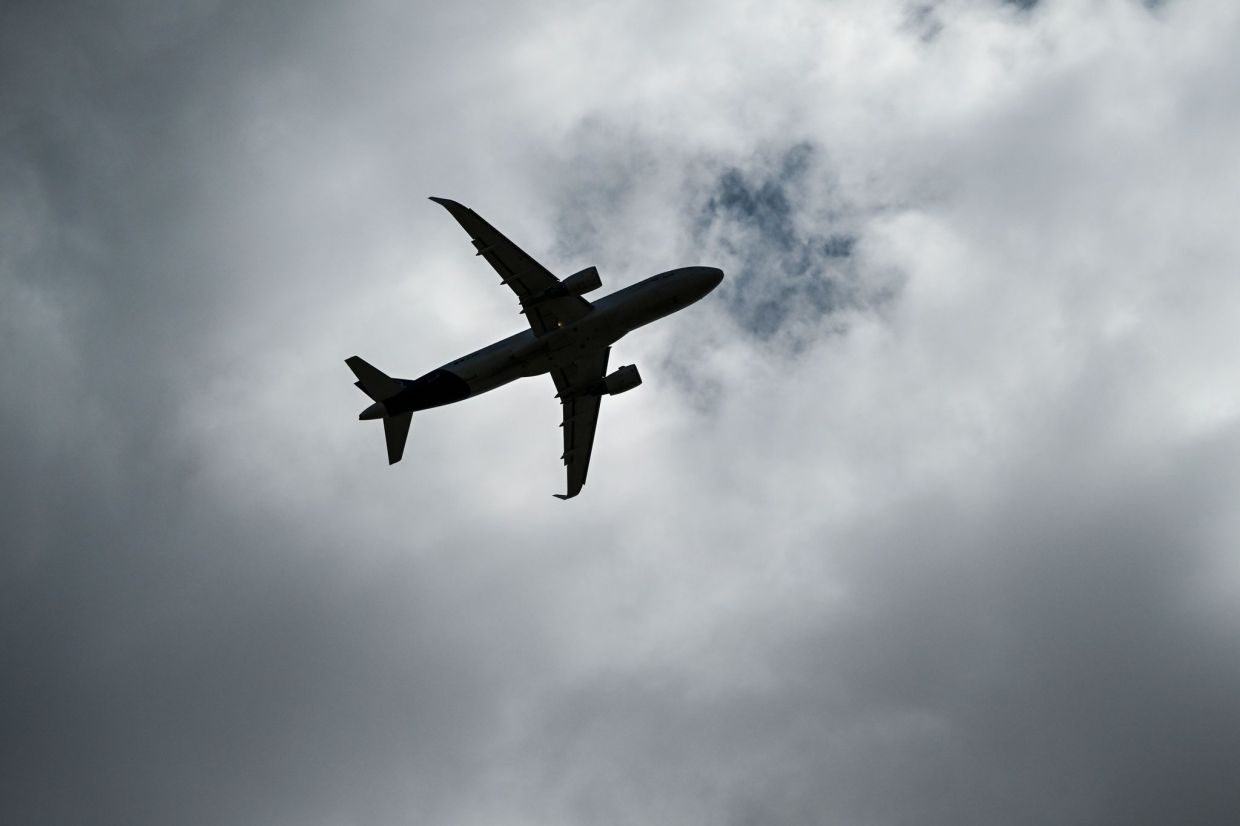
A passenger's malfunctioning power bank forced a Swiss International Air Lines aircraft to change course over the Atlantic Ocean, landing in Dublin with 206 people on board. The device began releasing smoke during the transatlantic journey, prompting the crew to declare priority landing status and divert the flight from its Boston destination. The incident represents an escalating safety concern for European carriers and underscores growing risks associated with lithium battery-powered devices in aircraft cabins.
This latest occurrence is the second unscheduled diversion involving electronic devices on Lufthansa Group airlines within a fortnight. In July, another Swiss flight operating from Zurich to New York was forced to land in Bangor, Maine, after smoke developed in the passenger cabin. That incident traced back to a charging case for wireless headphones that had slipped between seat cushions, where it became compressed and subsequently ignited. The pattern of incidents has prompted heightened scrutiny of passenger luggage and cabin protocols across the carrier.
Facing mounting safety incidents, Lufthansa implemented comprehensive restrictions on power banks and similar devices across its entire group of airlines at the start of 2026. The policy reflects international aviation safety standards and represents a decisive effort to mitigate fire risks associated with lithium-ion batteries at high altitude. Under the new guidelines, passengers may bring no more than two power banks per journey, and these must be kept in strictly designated locations within the cabin, never stowed overhead or in checked luggage compartments.
Storage regulations are particularly stringent. Power banks must remain either in a seat pocket directly in front of the passenger, on their person, or nestled beneath the seat within carry-on luggage. This approach keeps the devices visible and accessible to crew members while minimizing the risk of compression or damage that could trigger thermal runaway. The airline explicitly prohibits using or charging power banks during flight, eliminating circumstances where a malfunctioning battery could pose immediate danger.
Lufthansa's restrictions extend beyond conventional power banks to encompass vaping devices. Electronic cigarettes face identical storage limitations and prohibition from checked baggage and overhead compartments. The airline notes that power banks with capacity between 100 watt-hours and 160 watt-hours require advance airline approval before passengers may bring them on board. Medical devices employing lithium battery technology are exempt from these restrictions, provided they carry appropriate certification.
The German airline emphasizes that its regulations align with guidance from multiple international civil aviation authorities, positioning Lufthansa Group as compliant with evolving global safety protocols. The International Air Transport Association and various national regulators have grown increasingly concerned about lithium battery incidents at altitude, where fighting cabin fires becomes exponentially more challenging. Lufthansa's stance reflects this consensus among aviation safety experts who view stricter controls as essential prevention measures.
For the 206 passengers aboard the diverted Swiss flight, the incident caused considerable disruption rather than direct peril. While the crew activated an emergency signal to request immediate landing priority, aviation authorities classified the touchdown as a precautionary diversion rather than a true emergency landing. Lufthansa arranged hotel accommodation in Dublin and coordinated onward travel arrangements, though passengers inevitably experienced significant delays and itinerary changes.
The incidents carry particular relevance for Southeast Asian travellers. Many regional carriers operate partnerships with Lufthansa Group airlines or follow similar international standards, though restrictions may vary. Passengers transiting through European hubs or flying directly with Lufthansa subsidiaries must familiarize themselves with these requirements before packing. The rise in power bank restrictions has broader implications as well, since these devices represent standard travel essentials for business passengers and digital nomads crossing time zones.
The underlying threat involves lithium-ion battery chemistry and how these cells behave when damaged or subjected to pressure. A compressed or punctured battery cell can experience thermal runaway, where internal temperature escalates uncontrollably, rupturing the casing and releasing flammable electrolyte. At 35,000 feet with limited oxygen and emergency response capacity, such fires present catastrophic risks. Previous research into cargo hold fires caused by lithium batteries in aircraft has driven regulatory evolution across the aviation industry.
For Malaysian travellers and those based in Southeast Asia, these incidents underscore the importance of pre-journey research before packing electronic devices. Many regional airlines now impose similar restrictions, though specific rules vary between carriers. Checking airline baggage policies online and reviewing device storage guidelines prevents inadvertent violations that could result in confiscation, flight delays, or safety hazards. Airlines increasingly issue reminders about lithium battery restrictions during booking confirmations and pre-flight communications.
The dual incidents within weeks suggest that awareness campaigns have not reached all passengers effectively. Even frequent travellers may remain unaware of where devices can be safely stored, leading to dangerous placements like overhead bins where compression occurs. As more passengers carry power banks, charging cases, and portable electronic devices, the probability of thermal events increases proportionally unless safety protocols are strictly enforced.
Lufthansa Group's decision to implement these restrictions represents a proactive stance rather than a reactive measure following a catastrophic incident. By establishing clear rules and communicating them widely, the airline aims to prevent a more serious occurrence that could endanger lives. Other carriers are watching how these policies evolve and whether incident rates decline accordingly. The Lufthansa approach may become an industry standard as lithium battery technology proliferates in consumer electronics.

