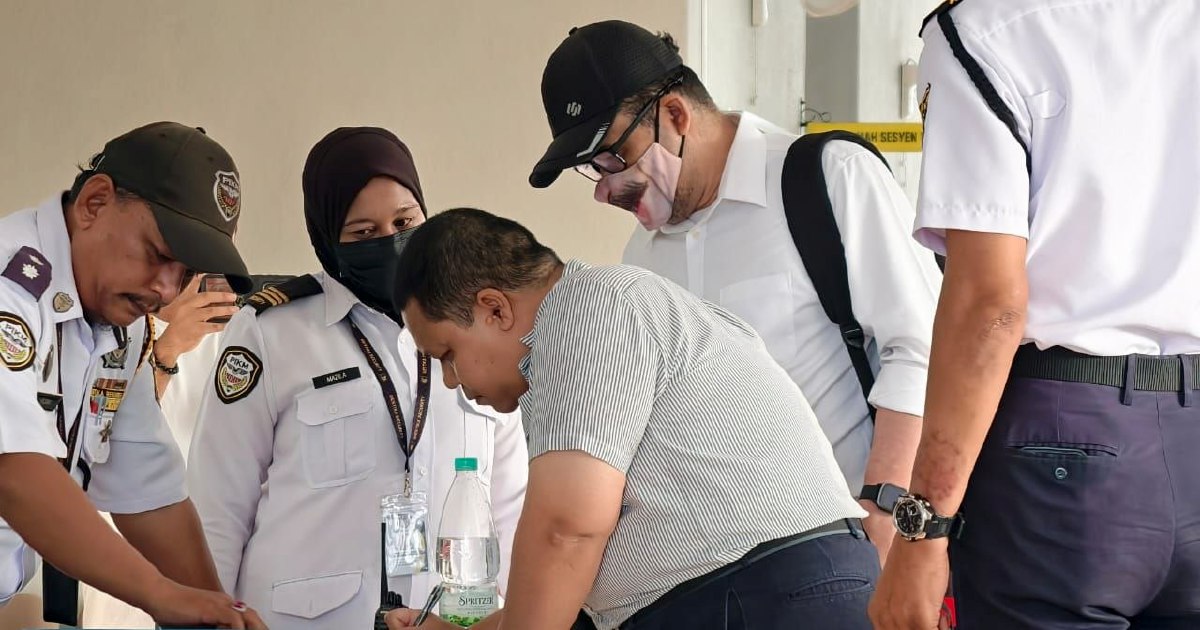
A preschool educator in Seremban made an appearance in the Sessions Court today to face two charges stemming from allegations of physical sexual assault against an 8-year-old male pupil, with the incidents allegedly occurring in April. The gravity of charges involving the abuse of a child within an educational setting has reignited concerns about safeguarding protocols in Malaysian preschools and the vulnerability of young learners in institutional care.
The case represents a troubling breach of trust within the educational environment, where parents and guardians place their children with the expectation that educators will provide both instruction and protection. Early childhood education facilities serve as critical spaces where children develop socially and emotionally, making the conduct alleged in this matter particularly distressing for the broader community and parents who rely on these institutions.
Malaysia has witnessed several high-profile cases involving child abuse within educational and care settings over recent years, each incident prompting renewed calls for stricter vetting procedures and enhanced monitoring systems. Background checks and psychological assessments for those working directly with children remain inconsistent across the country, despite recommendations from child welfare advocates and education specialists. The preschool sector, which accommodates hundreds of thousands of Malaysian children daily, operates under varying regulatory frameworks depending on state jurisdiction and licensing status.
The Sessions Court in Seremban heard the charges against the accused educator, marking the formal entry into Malaysia's judicial system for what remains an ongoing matter. The nature of charges—specifically categorised as physical sexual assault—indicates that investigators and prosecutors have determined sufficient evidence exists to proceed with formal legal proceedings. The court's involvement represents a critical juncture where the allegations transition from investigative inquiry to adjudication under criminal law.
The timeframe cited—April—establishes when authorities believe the offences transpired, though the discovery and reporting of such incidents often occur subsequent to occurrence. Child protection specialists emphasise that abuse of young learners frequently goes unreported for extended periods, as affected children may lack the linguistic capacity, emotional understanding, or confidence to disclose their experiences. Parents and caregivers sometimes remain unaware of incidents unless other children report unusual behaviour or physical indicators prompt investigation.
This particular case underscores the imperative for preschools to maintain transparent communication channels with parents and implement robust internal reporting mechanisms. Many facilities across Malaysia have begun adopting additional safeguarding measures, including surveillance systems, open-door policies, and mandatory training for staff regarding appropriate conduct and recognition of abuse indicators. However, implementation remains inconsistent, particularly in rural and economically disadvantaged areas where resources and regulatory oversight are comparatively limited.
The allegations have significant implications for institutional liability and regulatory response. The Ministry of Education and relevant state education departments will likely conduct their own inquiries parallel to criminal proceedings, with potential consequences including licence suspension or revocation depending on investigation findings. Institutional accountability extends beyond individual staff members to encompass systemic failures in hiring, supervision, and protective protocols that may have enabled or facilitated misconduct.
For the affected child and family, the legal process ahead demands considerable resilience. Witnesses in abuse cases involving young children require specialised interviewing techniques and psychological support throughout proceedings. Malaysia's court system has gradually enhanced provisions for vulnerable witnesses, including modified courtroom arrangements and support personnel, though advocates argue further reforms remain necessary to reduce secondary trauma for child victims navigating the justice system.
The Sessions Court proceedings will involve examination of evidence, witness testimony, and legal arguments from prosecution and defence counsel. The severity of allegations and nature of charges suggest substantial investigative work preceded the formal court appearance, potentially including medical evaluations, forensic findings, and statements from school personnel. The judicial determination of guilt or innocence rests on rigorous evaluation of evidence presented according to Malaysia's criminal procedure and rules governing admissibility.
This incident contributes to evolving discourse surrounding child protection frameworks within Southeast Asia's education sector. Regional experts have noted variations in legislative safeguards, enforcement mechanisms, and access to victim support services across the Association of Southeast Asian Nations bloc. Malaysia's ongoing development of comprehensive child protection protocols reflects international best practices whilst adapting to local institutional contexts and cultural considerations regarding family, education, and state responsibility.
The case also highlights necessity for enhanced public awareness regarding recognition and reporting of suspected child abuse. Parents, educators, and community members require accessible information about warning signs, reporting channels, and victim support resources. Normalising such discussions, despite discomfort many experience when addressing child protection concerns, remains essential for fostering environments where young people can access timely intervention and assistance.

