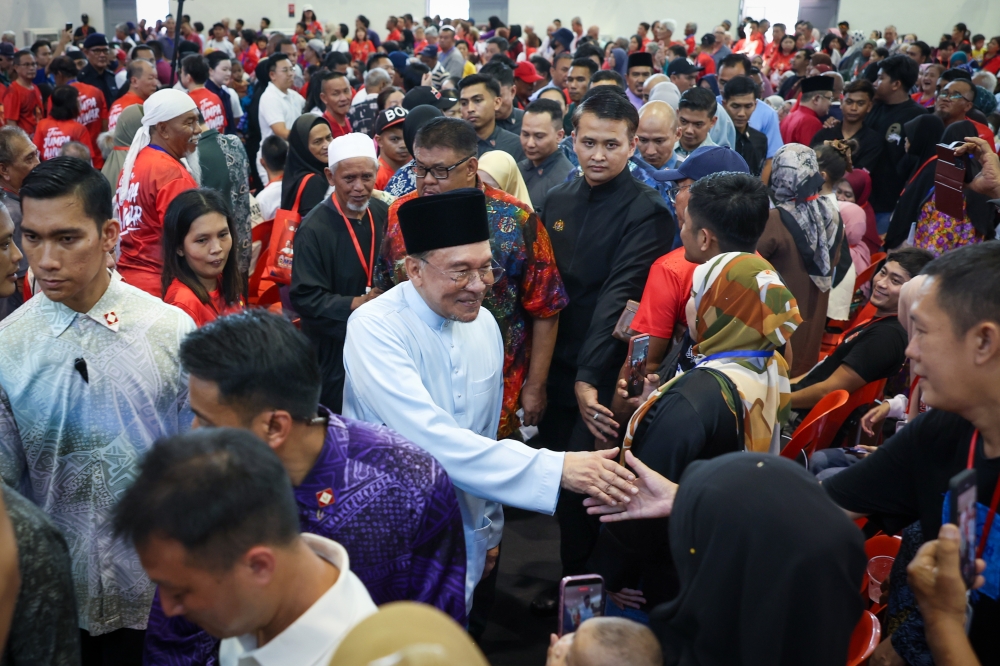
Prime Minister Datuk Seri Anwar Ibrahim has commenced a two-day period of medical examinations and specialist observation, according to an announcement from the Prime Minister's Office released on Friday. The comprehensive health assessment marks a routine check-up for the nation's chief executive, with the PMO providing transparent confirmation of the clinical schedule to the public.
The Prime Minister's Office statement emphasised the routine nature of these medical procedures, seeking to assure the public and international stakeholders of continuity in government operations. Such health assessments are standard practice for senior government officials and heads of state across democracies worldwide, serving both as preventative care measures and as documentation of the incumbent leader's fitness for the demanding responsibilities of executive office.
The timing of the announcement reflects Malaysia's commitment to transparency in matters concerning the Prime Minister's health and availability. By proactively communicating such scheduled medical activities, the government forestalls unnecessary speculation or rumour that might otherwise circulate through media channels and public discourse. This approach recognises that markets, investors, and the broader public benefit from clear, timely information about the continuity of executive leadership.
Datuk Seri Anwar Ibrahim's tenure as Prime Minister since late 2022 has been characterised by an active engagement schedule spanning domestic governance, parliamentary duties, and international diplomatic engagements. The accumulation of such responsibilities places considerable physical and mental demands on any leader, making periodic comprehensive health monitoring both prudent and necessary. Specialist medical reviews provide objective assessment of whether the Prime Minister maintains the stamina and cognitive capacity required for effective discharge of his constitutional duties.
The two-day observation period indicates a more thorough evaluation than simple outpatient consultations, potentially encompassing cardiovascular assessments, comprehensive laboratory work, diagnostic imaging, and consultations with multiple medical specialists. Such multi-disciplinary approaches represent best practice in executive health monitoring, ensuring that any emerging health concerns receive early detection and intervention before they might impact government effectiveness or necessitate unexpected incapacity.
For the Malaysian public and regional observers, confirmation of such routine health assessments carries particular significance given the nation's complex political landscape. Clear succession planning and demonstrated fitness of executive leadership contribute to investor confidence and political stability. Malaysia's financial markets and international standing depend substantially on perceptions of governmental continuity and competent leadership, making transparent communication about the Prime Minister's health a matter of public interest.
The PMO's confirmation mechanism demonstrates institutional maturity in managing information about executive health. Rather than permitting unverified reports or allowing a communications vacuum, the government established facts through official channels. This approach contrasts with historical periods in Malaysian politics when leadership health matters generated considerable conjecture and controversy due to lack of transparency, often undermining public confidence and creating damaging rumours.
From a regional perspective, Malaysia's handling of such matters influences perceptions across Southeast Asia regarding governmental accountability and institutional strength. Transparency about leadership health has become an international norm among developed democracies, and Malaysia's adherence to such standards reinforces its standing as a functioning constitutional monarchy with established democratic institutions. The readiness to communicate openly about such sensitive matters suggests confidence in the stability of state institutions.
The specialist observation period also reflects modern best practices in preventative medicine, where comprehensive health profiling enables early identification of risk factors that might otherwise develop into serious conditions. For someone carrying the responsibilities of national leadership, such proactive medical management serves not only personal health interests but also serves the broader public interest in maintaining effective governance continuity.
During the period of observation, government operations continue under established protocols, with designated ministers and senior officials maintaining regular duties and decision-making capacity. The Malaysian Constitution and established administrative procedures ensure that routine governance functions proceed seamlessly regardless of the Prime Minister's temporary engagement with medical assessment activities, demonstrating the resilience of institutional structures.
The PMO's straightforward communication approach regarding the medical check-up reflects evolving expectations among Malaysian citizens for transparency from their government. In an era of instant information dissemination through social media and digital platforms, official confirmation of such matters prevents misinformation from gaining traction and establishes authoritative narrative regarding the Prime Minister's health status and continued capacity to lead the nation's government.

