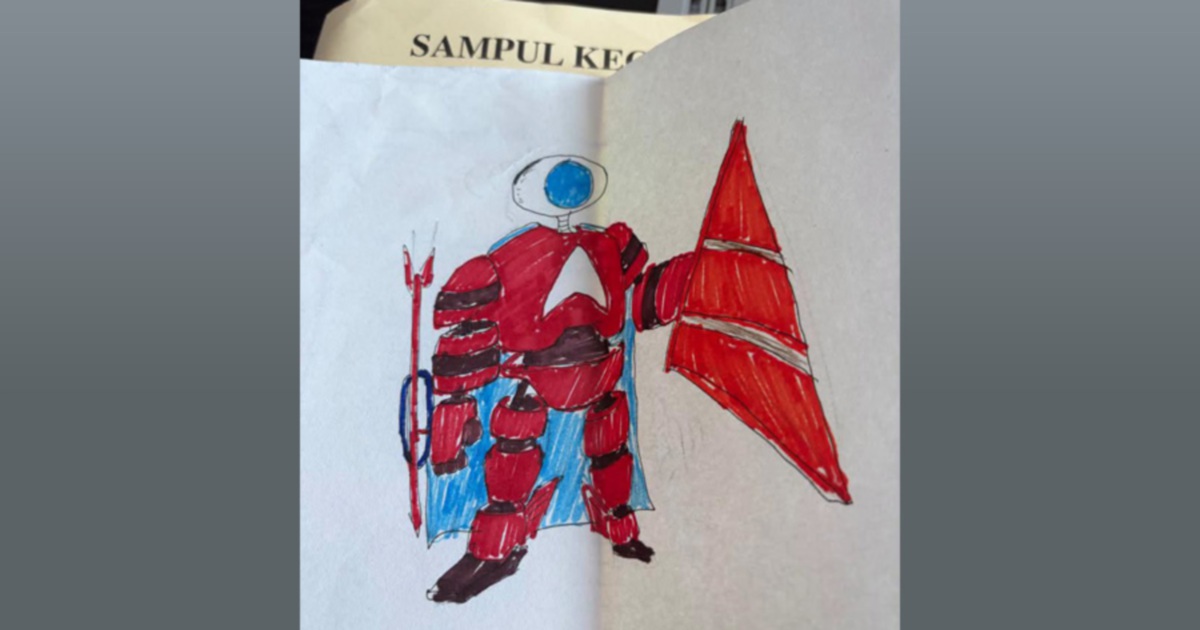
Prime Minister Datuk Seri Anwar Ibrahim has retained a drawing created by a child with special needs, presented to him during a recent Temu Anwar programme held in Negri Sembilan. The artwork has assumed personal significance for the premier, who treasures the piece as a tangible symbol of his administration's dedication to inclusive engagement with all segments of Malaysian society.
The Temu Anwar series represents a cornerstone of the Prime Minister's grassroots governance approach, designed to foster direct dialogue between federal leadership and communities across the nation. These town-hall style sessions enable ordinary Malaysians to raise concerns, share ideas, and connect with policymakers in their home constituencies. The Negri Sembilan gathering joined a string of similar programmes conducted nationwide, reflecting the administration's emphasis on accessibility and transparent government communication.
The presentation of artwork by a child with special needs carries broader significance within Malaysia's evolving social discourse. It underscores the importance of creating inclusive spaces within formal government functions—environments where individuals with disabilities feel welcomed and valued as contributing members of society. The Prime Minister's decision to preserve the drawing publicly signals institutional recognition of this principle, potentially influencing how future government events incorporate accessibility and diversity considerations.
Malaysia's approach to special needs inclusion has experienced gradual institutional strengthening over recent years. Educational frameworks, workplace policies, and community programmes increasingly emphasise integration rather than segregation. However, significant gaps remain in implementation and awareness across both public and private sectors. Meaningful inclusion requires consistent messaging from senior leadership, and symbolic gestures such as this one can reinforce broader policy objectives by demonstrating that inclusion is valued at the highest governmental levels.
The emotional resonance of children's artwork lies partly in its unfiltered authenticity and sincerity. A drawing presented to a national leader represents far more than artistic merit—it embodies hope, acknowledgment, and the child's participation in a moment of democratic engagement. For the parent or caregiver accompanying the child, the encounter with the Prime Minister validates their family's place within the national conversation. These interpersonal moments, though individually modest, accumulate into meaningful experiences that shape public perception of government accessibility and responsiveness.
Temu Anwar programmes have become instrumental in the administration's attempts to rebuild public trust after periods of political turbulence. By positioning the Prime Minister in direct contact with constituents, these events humanise leadership and create opportunities for grievance resolution at the source. The inclusion of individuals with disabilities and their families in these forums demonstrates that no segment of the population is deemed too marginal for prime ministerial attention. This approach contrasts with previous governance models that sometimes relegated disability-related concerns to specialised committees rather than mainstream policy discussion.
The preservation and acknowledgment of the child's gift also carries implications for how Malaysia's media and public institutions portray people with disabilities. Too often, disability representation focuses on tragedy, limitation, or charitable frameworks rather than celebrating the creative capacity and intrinsic worth of individuals. By treating the drawing as a meaningful personal memento rather than merely a publicity opportunity, the Prime Minister models a healthier, more normalised approach to disability inclusion. This subtle distinction in framing matters considerably, as it shifts the narrative from "providing opportunities to the disabled" toward "recognising the contributions and humanity of all citizens."
For families navigating Malaysia's systems of support for children with special needs, moments of visibility and recognition matter tremendously. Access to quality therapy, educational services, and employment opportunities for adults with disabilities remains inconsistent across the country. While symbolic gestures cannot address structural challenges, they generate awareness and can catalyse policy conversations. If this incident prompts broader discussion about accessibility standards at government functions, or about the integration of people with disabilities into mainstream civic participation, its impact extends well beyond a single memento.
The Negri Sembilan Temu Anwar programme occurred within a state that, like many others, is working to develop comprehensive disability support infrastructure. Negri Sembilan has been implementing various community health and education initiatives, though coordination between federal and state-level programmes remains an area requiring improvement. The participation of a special needs child in a prime ministerial engagement event in this context carries particular significance, as it demonstrates that inclusive governance principles are being operationalised in real interactions rather than remaining abstract policy statements.
Moving forward, the symbolic importance of this gesture could be amplified through sustained commitment to institutionalising inclusion. Government agencies might benefit from developing clearer accessibility standards for all public engagements. This could encompass physical accessibility, sensory considerations, emotional support provisions, and ensuring that participation by people with disabilities feels genuinely seamless rather than accommodated grudgingly. The Prime Minister's preservation of the drawing presents an opportunity to convert a poignant moment into lasting policy reform.
The incident also reflects evolving expectations among Malaysian civil society regarding how national leaders should engage with marginalised communities. Citizens increasingly expect inclusive governance not as an exceptional courtesy but as a baseline standard. By cherishing the artwork publicly, Anwar acknowledges that special needs individuals possess equal standing in the national conversation. While much work remains to translate this sentiment into comprehensive, rights-based frameworks that guarantee genuine equality and opportunity, such moments represent necessary steps along that longer journey toward truly inclusive Malaysia.

