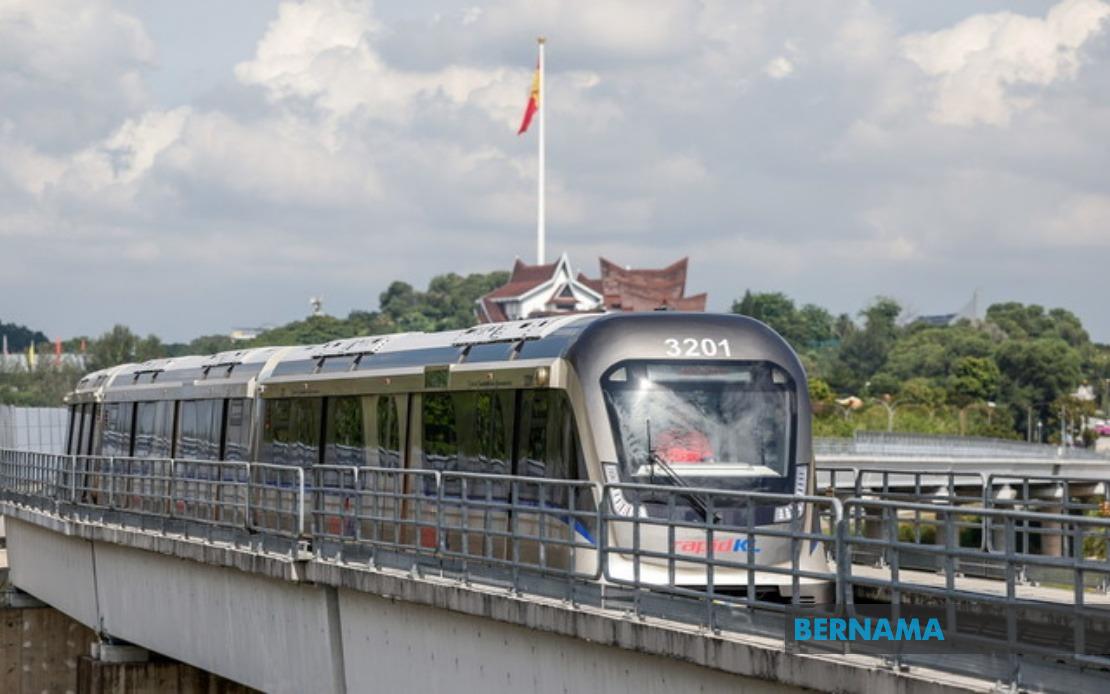
The long-awaited Light Rail Transit 3 (LRT3) Shah Alam Line, a major infrastructure milestone for the Klang Valley region, will receive its official launch this Sunday when Prime Minister Datuk Seri Anwar Ibrahim presides over the ceremony. The 37.8-kilometre route, which stretches from Bandar Utama in the west to Johan Setia in the east, represents the completion of a critical piece of the capital's rapid transit network and opens a new chapter in public transportation for the growing communities along its path.
The comprehensive transit corridor comprises 20 stations interspersed along its length, bringing modern rail connectivity to densely populated suburbs and emerging economic zones. According to Shah Alam line chief Mohd Ariffin Idris, the infrastructure has been fully completed and undergone sufficient testing to commence regular passenger operations. During the official ceremony, the Prime Minister will announce both the commercial opening date and the time when ordinary commuters can begin using the service, ending months of anticipation among residents who have watched construction progress across the corridor.
The station roster encompasses both established neighbourhoods and developing areas, reflecting the line's role in servicing diverse communities. Major stations include Bandar Utama, Kayu Ara, BU 11, Damansara Idaman, Subang, Glenmarie 2, Kerjaya, Stadium Shah Alam, Dato' Menteri, and UiTM Shah Alam along the first half of the route. The second half introduces travellers to Seksyen 7 Shah Alam, Bandar Baru Klang, Pasar Klang, Jalan Meru, Jambatan Kota, Taman Selatan, Seri Andalas, Klang Jaya, Bandar Bukit Tinggi, and Johan Setia, collectively creating a spine of accessibility across the Shah Alam municipal region and surrounding areas.
Integration with the existing Klang Valley rapid transit network remains a cornerstone feature. The new line offers seamless interchange opportunities at Bandar Utama, where passengers can connect to the Kajang Line, and at Glenmarie 2, where transfers to the Kelana Jaya Line become available. This connectivity transforms isolated rail routes into a cohesive metropolitan system, enabling cross-corridor journeys without returning to ground level. For Malaysian commuters accustomed to fragmented transport networks, such integration represents substantial progress in metropolitan planning.
Comprehensive feeder services have been designed to extend the line's reach beyond its stations. A network of 40 dedicated feeder buses operates across 13 routes with 323 designated stops throughout the coverage area, priced at just RM1 per journey and running from 6 am until 11.30 pm. Complementing this is a fleet of 44 on-demand rapid vans covering 20 zones at RM2 per trip during identical hours. This multi-modal approach acknowledges that most residents live beyond walking distance of rail stations, requiring intermediate transport solutions to create true first-and-last-mile connectivity. Both services will be adjusted following the line's opening as operational data reveals actual commuter patterns.
Parking infrastructure has been strategically positioned at six stations across the corridor to accommodate motorists choosing to use park-and-ride facilities. Kayu Ara, Damansara Idaman, Pasar Besar Klang, Sri Andalas, Bandar Bukit Tinggi, and Johan Setia collectively offer 2,300 parking bays, providing a safety valve for commuters transitioning from private vehicle dependency. This hybrid approach acknowledges Malaysia's car-centric culture while incentivising modal shift through convenient interchange facilities.
Operational projections suggest the line will capture meaningful market share within its service area. Prasarana Malaysia Berhad (Prasarana), the operator, projects 67,000 daily passengers in the initial year of service, a figure the organisation expects will accelerate to 117,708 by year five. These forecasts assume a combination of organic growth as residents discover the service and behavioural change as commuting patterns adjust around the new infrastructure. The two-million resident base along the corridor provides substantial potential for ridership growth if operational reliability and service quality meet expectations.
Environmental sustainability has been woven throughout the project's design philosophy. Rail vehicles incorporate inverter-based air conditioning systems that reduce energy consumption compared to conventional cooling, while intelligent temperature management systems prevent wasteful overcooling during off-peak periods. Station architecture prioritises natural ventilation and daylight penetration through thoughtful spatial planning, minimising dependence on artificial lighting and mechanical systems. In Malaysia's tropical climate, such features translate to measurable energy savings over the infrastructure's operational lifetime.
Accessibility has received careful attention in design specifications, reflecting international best practice and Malaysia's commitment to inclusive public services. Every station features wheelchair-accessible ramps, disability-compliant toilet facilities, and designated reserved seating within train carriages for passengers with mobility limitations. These provisions transform public transit from a service accessible only to able-bodied individuals into genuine infrastructure serving the entire community, including the elderly and disabled who comprise a growing share of the population.
Further expansion remains on the agenda despite the completion of this section. Five additional stations—Tropicana, Raja Muda, Temasya, Bukit Raja, and Bandar Botanik—have been designated for reconstruction, with Prasarana confirming that work will commence by year-end. This extension will push the line deeper into residential and commercial areas, eventually serving additional communities and economic nodes. The phased approach allows the operator to consolidate operations and learn from initial performance before undertaking additional construction, a prudent strategy for managing risk and capital expenditure across a major infrastructure program.

