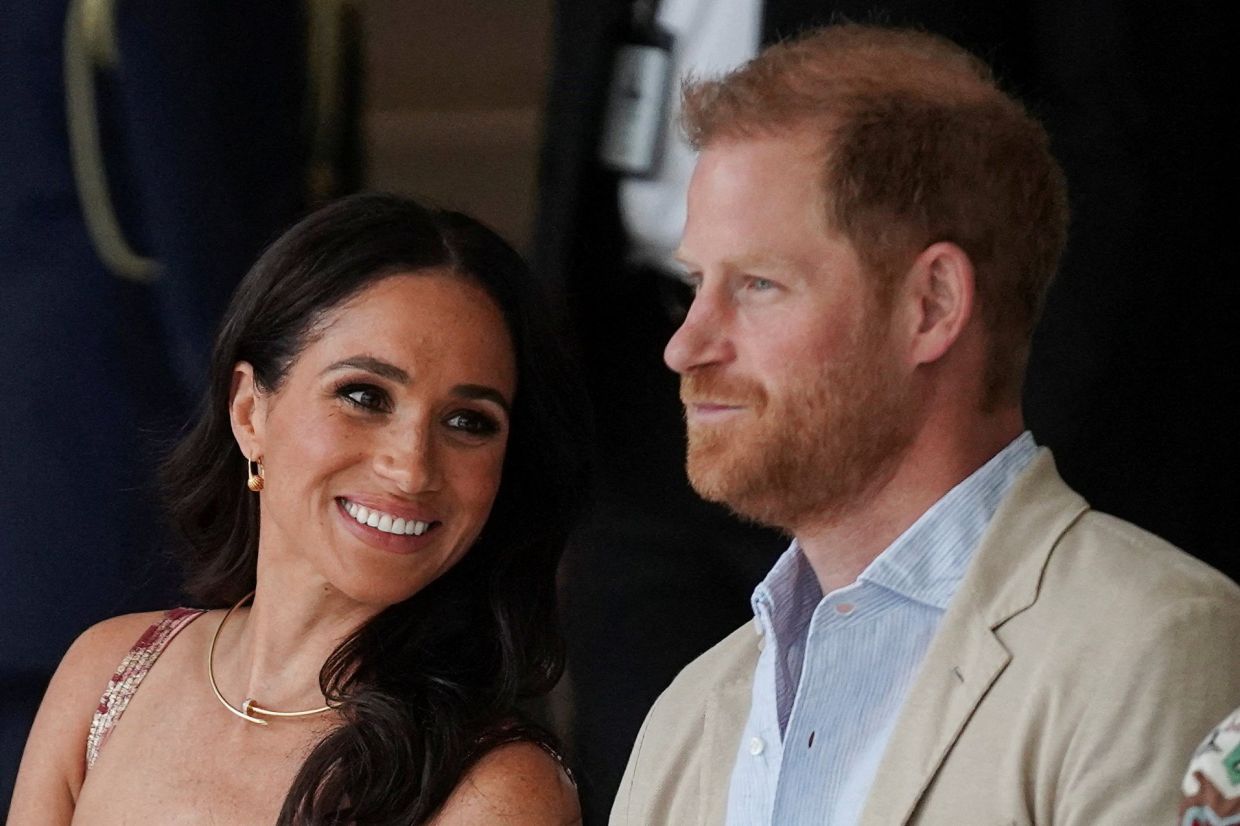
Prince Harry and Meghan are preparing to relocate their family to the United Kingdom, according to British media reports, marking a significant shift in the couple's trajectory since they departed royal duties more than six years ago. Their children, Prince Archie, aged seven, and Princess Lilibet, aged five, have already been registered at British schools and are expected to commence their education in September. The decision represents a notable turn in the Sussex family's circumstances, though officials from Buckingham Palace and representatives for the couple have refrained from providing public confirmation or elaboration on the plans.
The couple's relocation carries considerable symbolic weight given the pronounced deterioration in their relationship with the broader royal establishment since their departure to Montecito, California in 2018. During that period, Harry and Meghan have generated substantial income through entertainment industry partnerships, including high-profile arrangements with Netflix and Spotify, effectively establishing themselves as independent media figures rather than traditional working royals. The distance, both geographical and relational, has allowed them to pursue commercial ventures and personal projects without the constraints typically imposed by royal protocols, yet it has simultaneously severed many family connections and created persistent tensions within the institution.
Remarkably, King Charles III was only informed of the family's intentions on Sunday, and notably was not made aware of their plans during Harry and Meghan's recent visit to British soil last month. This communication pattern underscores the fragile nature of current family dynamics, suggesting that while tentative steps toward reconciliation may be underway, trust and openness remain strained. The timing of the announcement also appears calibrated to avoid the couple being perceived as seeking approval, instead positioning their decision as an autonomous choice that the monarchy must accommodate rather than facilitate.
Harry's recent public statements have indicated a genuine desire to restore familial bonds, particularly with his father, who is currently undergoing medical treatment for an unspecified form of cancer. In interviews with the BBC, the prince has acknowledged the limited time remaining and expressed willingness to cease what he characterised as futile conflict. His willingness to pursue reconciliation appears driven partly by paternal considerations and partly by the harsh realities he has encountered through protracted legal disputes that have consumed considerable emotional and financial resources. The UK return therefore represents not merely a logistical adjustment but a conscious attempt to reconstruct relationships before circumstances make such efforts impossible.
The couple's recent visit last month provided the first substantive opportunity for the younger generation to interact with their grandfather since the Queen Elizabeth II platinum jubilee celebrations in 2022. During this engagement, the children spent time with King Charles at his Highgrove estate in Gloucestershire, a comparatively intimate setting that differed markedly from formal public occasions. These quiet family moments may have reinforced Harry's conviction that physical proximity could nurture healing, particularly as the king's health situation creates urgency around relationship restoration. The visit suggested a willingness from the royal household to accommodate such gatherings, though this gracious reception does not necessarily indicate broader institutional shifts.
Complicating this emerging reconciliation narrative, however, is Harry's ongoing legal entanglement with British media institutions and the government itself. The prince has pursued sustained litigation against tabloid publishers whom he alleges engaged in systematic phone hacking and privacy violations during his younger years. These cases have proven costly and frequently unsuccessful, with courts ruling against him in several instances. Most significantly, a recent adverse ruling has exposed Harry to potential liability for millions of pounds in legal fees owed to Associated Newspapers, with documented costs reaching £34.5 million in the publisher's expenses alone. The financial and reputational toll of these legal battles has created additional friction within British society and potentially within royal circles.
A parallel dispute involving police protection has further complicated Harry's relationship with the British establishment. Following a court loss last year, his attempts to secure armed protection for himself and his family while in the United Kingdom were rebuffed by government authorities. Harry contends that royal family membership inherently creates security risks warranting state-funded protection, yet officials have disagreed with this characterisation, particularly given the family's non-working status within the institution. This disagreement highlights the fundamental tension underlying the current situation: Harry and Meghan wish to enjoy certain privileges and protections associated with their royal heritage while remaining unwilling to fulfil corresponding institutional obligations.
For Malaysian and Southeast Asian observers, the situation illuminates broader questions about institutional evolution and family dynamics within hierarchical structures. The British monarchy's apparent willingness to accommodate the Sussexes' return without requiring them to resume formal duties suggests institutional flexibility in an era when strict adherence to tradition may damage family relationships irreparably. Yet the absence of public statements and the limited enthusiasm from some quarters reveal residual tensions that transcend mere logistics. The situation also demonstrates how transnational families navigate complicated relationships across continents, and how financial independence can paradoxically both enable and complicate family reconciliation.
Relations between Harry and his brother, Prince William, the heir to the throne, show no discernible warming. Former BBC royal correspondent Peter Hunt suggested that William would find the announcement particularly troublesome, characterising his likely reaction as severe consternation. Unlike King Charles, who appears motivated by paternal sentiment and health considerations to facilitate family connection, William represents institutional interests that may be threatened by Harry's reintegration into British life. His position as future monarch potentially complicates his ability to engage in personal reconciliation independent of institutional considerations, creating asymmetry in family dynamics that the Sussexes' return may exacerbate rather than resolve.
The physical return to the United Kingdom carries implications extending beyond immediate family relationships. For the monarchy, accommodating the Sussexes while maintaining their non-working status requires delicate navigation of public expectations and institutional protocols. Media attention will intensify, particularly regarding how the family interacts with various members of the royal household and whether public appearances might blur distinctions between working and non-working royal status. The children's education in British schools will place them within proximity to their cousins and the broader British cultural context, potentially reshaping their identities and future relationships with their heritage in ways that cannot be entirely controlled or predicted by either the family or the institution.
As the September school year approaches, the Sussex family's transition to the United Kingdom will essentially function as a prolonged experiment in whether geographical proximity and shared experience can reverse years of accumulated grievance and institutional strain. The success or failure of this relocation may establish precedents for how the modern monarchy handles family members who have attempted to forge independent identities while maintaining blood connections to the institution. Whether this represents genuine reconciliation or merely a strategic repositioning remains unclear, but the implications for the institution's future adaptability are substantial.

