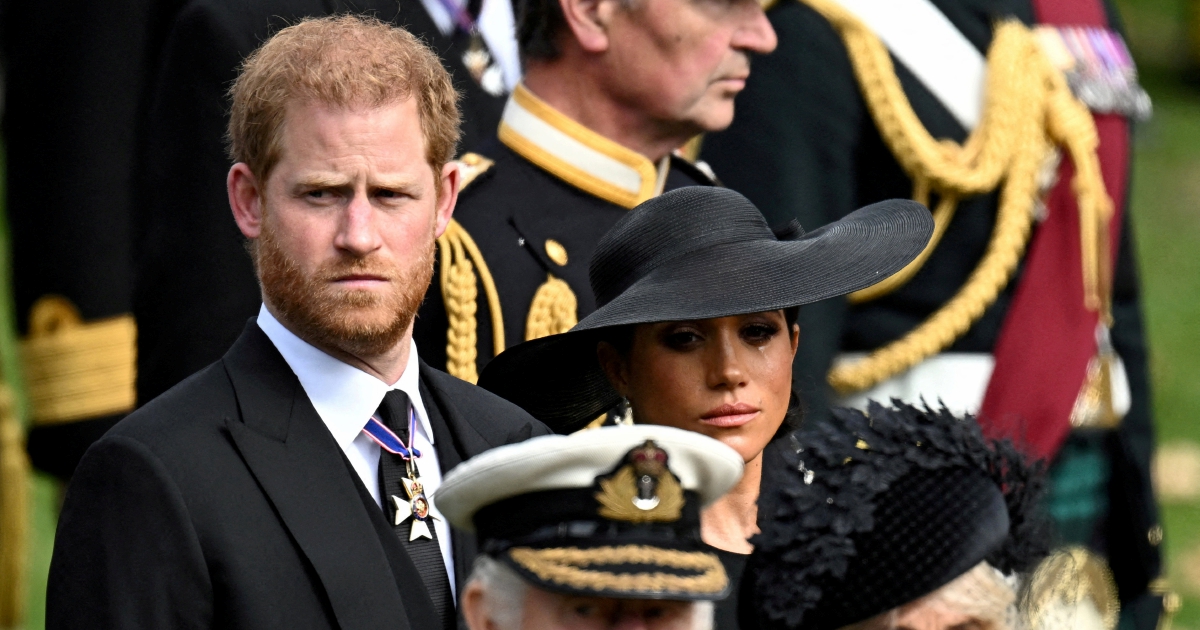
Prince Harry, alongside singer Elton John and several other high-profile figures, now faces hefty financial penalties after a British court decision ordered them to cover the legal expenses incurred by the Daily Mail's publisher. The ruling came after a judge determined that the way these claimants had pursued their privacy lawsuits against the publication was fundamentally unreasonable, positioning the Daily Mail's legal team as the financial victors in what has become a closely watched media accountability case.
The financial implications of this judgment are substantial. Each claimant stands to pay millions in legal fees from their personal wealth, a reversal that underscores the significant risks involved in taking on major media organisations through the courts. For Prince Harry in particular, the decision carries additional weight given his years-long campaign against tabloid intrusion and his previous legal victories against other newspapers. The prince has long positioned himself as a champion for privacy rights, making this setback a particularly symbolic blow to his broader efforts to reform how the British press operates.
The judge's assessment that the proceedings were conducted unreasonably is a critical element that distinguishes this case from typical litigation outcomes. Rather than simply ruling on the merits of the privacy claims themselves, the court found fault with the manner and approach the claimants' legal team adopted during the lawsuit. This suggests the judge believed the claimants pursued an unnecessarily aggressive or imprudent strategy that did not justify the substantial resources both sides invested in the litigation. Such judgments are relatively rare and carry significant precedent for future media lawsuits in the United Kingdom.
For Elton John, whose participation in this collective action represents his personal stand against press invasion of privacy, the financial obligation arrives during a period of reflection on his legacy and relationships with media institutions. The "Rocket Man" singer has previously spoken about the toll tabloid coverage has taken on public figures, making his involvement in this lawsuit a statement of principle. However, the adverse cost ruling means his principled position now carries a considerable financial burden that extends well beyond the original legal fees his team anticipated.
The Daily Mail's publisher, Associated Newspapers, emerges from this judgment in a strengthened position. The ruling validates its aggressive legal defence strategy and transfers the burden of the extended litigation costs onto the claimants themselves. From a business perspective, this outcome protects the newspaper group's bottom line and sends a warning signal to other public figures considering privacy-related legal action. Organisations with substantial in-house legal resources can now point to this precedent when weighing the risks of challenging major publishers.
The privacy lawsuit campaign that led to this ruling represents a broader conflict between celebrity privacy rights and press freedom in the modern digital age. Multiple prominent figures united in their attempt to establish stronger legal protections against invasive reporting and alleged breaches of privacy. The case seemed to represent a potential turning point in the balance of power between British media institutions and individual rights. However, the judge's decision to award costs against the claimants has fundamentally altered that narrative.
For Malaysian and Southeast Asian audiences, this development offers important insights into how Western legal systems handle conflicts between media freedom and privacy rights. The case illustrates that winning on principle does not always translate into legal or financial victory. Even well-resourced claimants with strong public sympathy can face unexpected financial consequences when pursuing media accountability through courts. This reality shapes how public figures in different jurisdictions calculate their own risks when considering legal action against media organisations.
The ruling also reflects broader tensions within British media law and judicial philosophy. The judge's emphasis on whether the lawsuit was conducted reasonably suggests courts are increasingly scrutinising not just the claims themselves but also the strategic choices made by litigants and their legal teams. This creates additional layers of complexity for anyone challenging powerful media institutions, potentially raising barriers to access for less wealthy individuals without substantial financial reserves to cover potential adverse cost orders.
Looking ahead, this judgment will likely influence how future privacy cases are structured and pursued in British courts. Legal teams representing potential claimants will need to weigh the substantial financial risks more carefully, and cost considerations may deter some from pursuing cases that might otherwise have legal merit. The precedent established here extends the practical consequences of litigation failure beyond the immediate case outcome, potentially reshaping the broader landscape of media accountability litigation across the Commonwealth and beyond.
The decision underscores an uncomfortable reality for those seeking to hold media organisations accountable: moral victory and legal success are fundamentally different concepts. Prince Harry and his fellow claimants may have felt justified in their pursuit of privacy protections, but the court's judgment transformed their campaign into an expensive legal defeat. This outcome will reverberate through media and legal circles for years, affecting how both public figures and their advisors approach the inherent risks of challenging the press through litigation.

