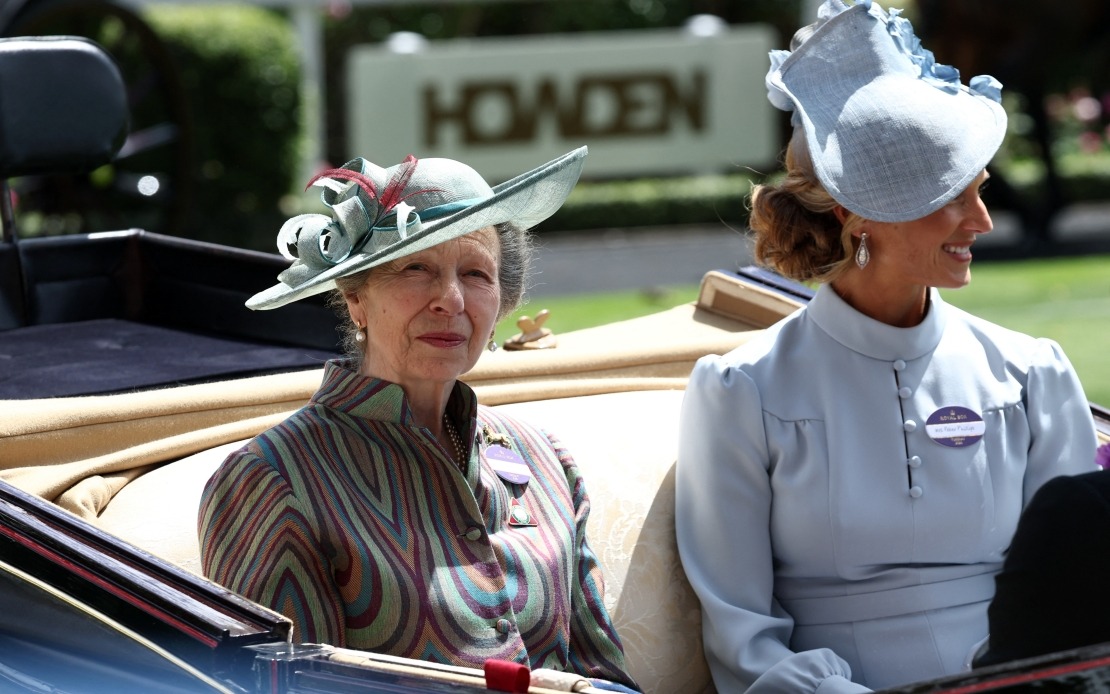
Princess Anne, the King's younger sibling, arrives in South Korea this week for a three-day official visit centred on commemorating the shared military heritage between Britain and the Korean peninsula during the 1950-53 conflict. The Princess Royal and her husband, Vice Admiral Sir Tim Laurence, will participate in ceremonies and diplomatic engagements marking seven and a half decades since the Battles of Imjin River and Gapyeong, pivotal military operations in which British Commonwealth forces played decisive roles.
The timing of the visit reflects a conscious effort by Britain to underscore its historical commitment to South Korea during the Cold War's earliest and bloodiest chapter. The Korean War remains profoundly significant in Seoul's collective memory, and the presence of a senior British royal demonstrates sustained respect for the sacrifices made by troops from across the Commonwealth. For Malaysia, which also contributed personnel and resources during the conflict, the commemoration carries particular resonance as a reminder of regional security challenges and the importance of alliance networks that shaped post-war Asia.
During her Busan itinerary, Princess Anne will pay respects at the United Nations Memorial Cemetery, one of Asia's most solemn sites, where fallen soldiers from multiple nations lie buried. This formal ceremony will provide an opportunity for the princess to meet surviving Korean War veterans, many now advanced in age, ensuring their contributions receive official recognition. The cemetery itself serves as a physical testament to the multinational character of the United Nations-backed intervention, a fact often overlooked in broader historical narratives.
Beyond ceremonial duties, the visit encompasses substantive bilateral engagement. The princess intends to visit Ulsan, a major southeastern port city and industrial hub, to examine cooperative ventures spanning maritime commerce, shipbuilding capabilities, and defence manufacturing. These sectors represent the modernised face of British-Korean partnership, moving beyond Cold War security concerns to encompass contemporary economic interdependence. South Korean shipyards have become globally dominant, while British defence contractors maintain significant interests in the region, making this industrial diplomacy particularly timely.
A scheduled courtesy call with President Lee Jae Myung on Tuesday will provide high-level political dialogue focused on strengthening bilateral relations. Such presidential meetings, though often ceremonial in appearance, carry symbolic weight in formalising government-to-government cooperation priorities and can lead to expanded collaboration on emerging security challenges. For observers in Southeast Asia, the elevation of this visit to presidential level underscores Britain's strategic interest in deepening engagement throughout the Indo-Pacific region, aligning with London's broader "Global Britain" initiative.
The Princess Royal brings considerable diplomatic experience to the mission, having undertaken numerous official tours since assuming her royal duties. Her previous attendance at the 2018 PyeongChang Winter Olympics gave her familiarity with South Korean protocol and contemporary context, facilitating more substantive exchanges than a first-time visitor might achieve. This continuity suggests Britain views South Korea as more than a historical curiosity but rather as a cornerstone of its Asian strategy.
From a Southeast Asian perspective, British royal visits to North East Asia carry implications for regional balancing. Malaysia and other ASEAN nations maintain their own complex relationships with Korea, encompassing trade, security partnerships, and people-to-people connections. British efforts to strengthen its Korea relationship implicitly reinforce the security architecture that protects regional shipping lanes and commercial corridors vital to Malaysian prosperity. The focus on defence industry cooperation particularly resonates, given ongoing regional maritime tensions and the importance of technological advancement in maintaining stability.
The emphasis on Korean War commemoration, particularly at its 75th anniversary, reflects a broader pattern of memory work across the former combatant nations. Unlike European theatres where anniversaries have become routine, Asian recognition of the Korean conflict remains contested and selective. Britain's formal acknowledgment through high-level representation helps elevate the war's historical profile and ensures British contributions are remembered alongside American, Chinese, and Korean narratives. This multilayered remembrance challenges singular national histories and promotes more inclusive understanding of the war's complexity.
The visit also signals continuity within British monarchy and diplomacy despite recent transitions in leadership. King Charles III's accession prompted recalibrations of various international engagements, and Princess Anne's prominence in overseas missions reassures partners of institutional stability. For South Korea, the presence of the monarchy's close family member reinforces the personal dimension of diplomatic ties that transcend electoral cycles and government changes.
Looking forward, the three-day programme represents a carefully calibrated blend of remembrance, relationship-building, and economic engagement. Princess Anne's itinerary acknowledges the past while directing attention toward future cooperation, embodying the diplomatic principle that shared historical sacrifice creates foundations for sustained partnership. As regional tensions evolve and supply chains reconfigure, British-Korean collaboration in shipbuilding and defence technology carries strategic importance extending far beyond bilateral interests into broader Indo-Pacific security dynamics that Malaysian policymakers monitor closely.

