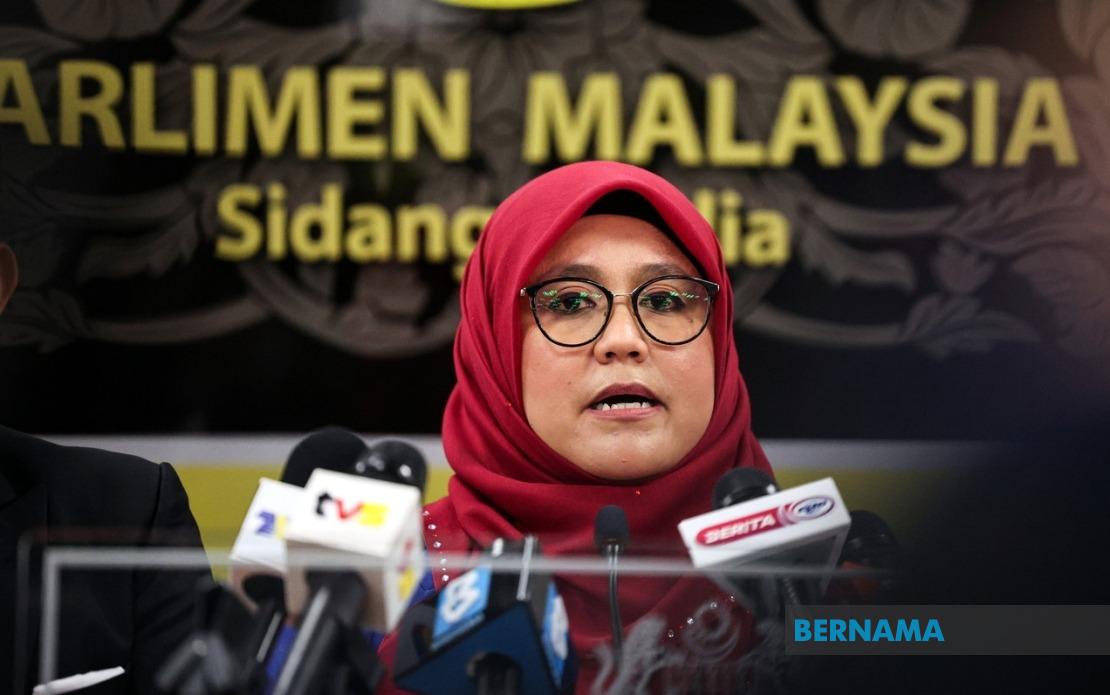
Malaysia's healthcare financing system faces a mounting affordability crisis driven largely by uncontrolled charges at private hospitals rather than physician remuneration, according to a damning Public Accounts Committee (PAC) investigation tabled in parliament this week. PAC chairman Datuk Mas Ermieyati Samsudin highlighted a fundamental structural imbalance: while doctors' professional fees have operated under regulatory supervision for over a decade, a vast array of hospital charges remain entirely unshackled from government oversight. This regulatory gap has created an environment where private healthcare providers can impose escalating costs on insurers with minimal transparency or competitive restraint.
The unregulated charges encompassing medical supplies, diagnostic testing, pharmaceutical products and cutting-edge medical technologies represent the true hidden driver of premium inflation. Beyond these direct medical costs, private hospitals have dramatically increased their charges to offset ballooning operational expenses, including wage bills for nursing and support staff, energy consumption and substantial investments in modern healthcare infrastructure. The committee also identified litigation costs and defensive medicine practices—where providers order additional tests and procedures to mitigate legal risk—as contributors to the cost spiral. This complex web of expenses, largely invisible to patients and insurers alike, has fundamentally restructured the economics of private healthcare delivery across Malaysia.
A particularly troubling discovery concerns the deliberate opacity surrounding hospital billing practices. The absence of standardised pricing structures and transparent cost breakdowns across Malaysia's private hospital sector makes it virtually impossible for insurers or patients to accurately determine what they are actually paying for. This information asymmetry works entirely in hospitals' favour, allowing them to obscure the true composition of charges and resist meaningful cost scrutiny. High medicine prices function as a convenient mechanism to subsidise unmeasured operational costs like nursing services and facility utilities that hospitals choose not to itemise separately, effectively bundling legitimate overhead into pharmaceutical markups.
Further investigation uncovered systematic unbundling practices where hospitals fragment what should constitute basic care into separately billable components. Patients face discrete charges for clinical waste disposal, pillowcases and alcohol swabs—items that logically should be incorporated within standard room fees or fundamental service packages. This nickel-and-diming approach maximises revenue extraction while masking the true cost structure from external observers. Even more concerning is evidence of deliberate price discrimination, where hospitals operate dual pricing systems: patients presenting guarantee letters from insurers pay substantially more than those settling accounts through cash payments or traditional claim reimbursement, effectively penalising insured individuals.
The committee's examination of pharmaceutical supply chains revealed structural distortions that push medicine prices to artificial heights. Across multiple tiers of distribution and retail, substantial markup accumulation occurs without corresponding value addition, allowing intermediaries to extract economic rent. In some documented cases, generic medications—which lack the research and development costs of original formulations—command higher prices than branded innovator drugs, an economically irrational outcome reflecting market dysfunction. The situation becomes particularly acute when a single manufacturer holds exclusive registration for more than 1,500 medicines in Malaysia, effectively creating monopolistic gatekeeping that permits aggressive pricing unconstrained by competitive alternatives.
To rectify these systemic failures, the PAC formulated 17 specific recommendations targeting multiple government agencies and legislative frameworks. The Diagnosis-Related Group (DRG) payment system—which classifies hospital cases into standardised categories with predetermined reimbursement rates—represents a crucial tool for creating price predictability and eliminating the opacity that currently characterises private hospital finances. However, implementation has stalled, and acceleration is essential. The committee also urged amendments to the Private Healthcare Facilities and Services Act 1998 to expand the Ministry of Health's regulatory authority beyond the narrow domain of professional fees into the substantially larger arena of hospital service charges, medical equipment pricing and pharmaceutical cost control.
Coordinated government action across multiple portfolios is essential to address medicine and equipment pricing through direct mechanisms including bulk procurement, support for local manufacturing alternatives and reduction of reliance on supplier networks that may function as de facto cartels. The Ministry of Domestic Trade and Cost of Living must collaborate closely with the Ministry of Health to establish comprehensive price-setting frameworks that balance affordability with sustainability. Bank Negara Malaysia requires involvement to ensure the insurance industry operates with transparency and properly investigates the relationship between hospital charges and premium escalation. Without such coordinated intervention, current trends suggest that affordability will continue deteriorating, potentially forcing middle-income Malaysians out of the private healthcare market altogether.
Parliamentary response to the PAC findings indicated broad cross-party recognition of the severity and urgency of healthcare cost inflation. Both government and opposition MPs called for substantially tighter regulation of private hospital service charges and pharmaceutical pricing. There is consensus that the insurance sector requires regulatory transparency improvements to prevent asymmetric information from disadvantaging policyholders. The DRG system has become the focal point for reform, with lawmakers emphasising that its implementation cannot remain indefinitely postponed. Several MPs advocated for protective measures including temporary fee freezes at university hospital facilities until viable alternatives materialise, preventing hospitals from exploiting scarcity to justify rapid price increases.
The PAC's findings carry particular significance for Malaysia's growing middle class, for whom private healthcare represents an aspirational standard despite escalating costs. The systematic revelation of pricing opacity, unbundling tactics and discriminatory practices suggests that private healthcare providers have exploited information advantages to shift costs aggressively onto insurers and patients. For regional policymakers observing Malaysia's experience, the investigation provides cautionary evidence about the necessity of establishing strong regulatory frameworks for private healthcare before market consolidation and cost acceleration become entrenched. Without intervention, Malaysia risks creating a two-tiered system where quality private healthcare becomes accessible only to the wealthy, while the public system—already straining under resource constraints—faces escalating demand from those squeezed out of private provision.

