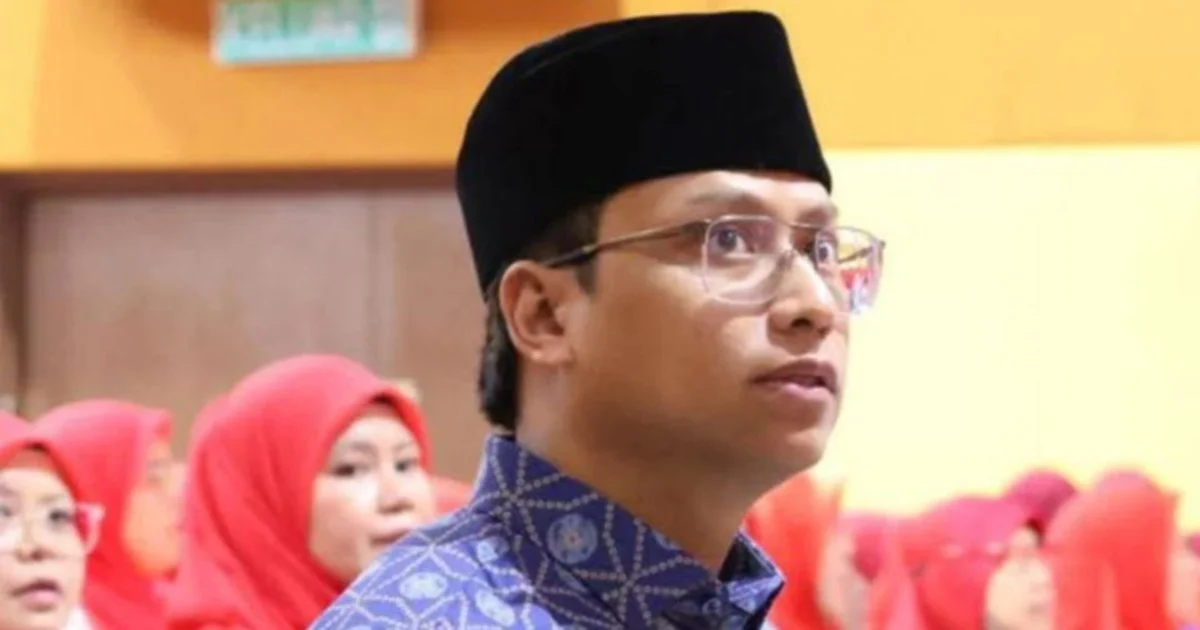
The family of Datuk Dr Mohd Puad Zarkashi, a former member of Umno's highest decision-making body, has rallied to defend the veteran politician's recent commentary on the direction his party is taking, insisting that his provocative remarks stem from a genuine desire to strengthen rather than destabilise the organisation. The son's public endorsement represents a deliberate amplification of a critique that has reverberated through Umno's corridors, highlighting the generational divide within Malaysia's oldest political party as it grapples with mounting internal pressures and questions about its strategic orientation.
Puad's willingness to speak candidly about Umno's trajectory places him within a growing segment of the party's traditional leadership that believes the organisation has drifted from its foundational principles and core voter base. Rather than viewing such interventions as disloyal or divisive, his family has positioned them as acts of principled concern, the kind of difficult medicine that established institutions occasionally require when facing structural challenges or policy missteps. This framing seeks to recast the narrative from one of internal dissent into one of constructive—if uncomfortable—guidance from an elder statesman.
The timing of these remarks and their subsequent family defence matters considerably within Umno's current landscape. The party has spent recent years navigating the fallout from corruption allegations against senior figures, declining electoral performance in certain constituencies, and a persistent challenge to its relevance among younger Malaysians who increasingly question its political monopoly and governance record. Within this context, voices that challenge the party's present course occupy an ambiguous space: they may represent either the conscience of the organisation or destabilising forces, depending entirely on one's position within the party hierarchy.
For Malaysian readers familiar with Umno's internal dynamics, the intervention by Puad's son carries particular weight because succession and legitimacy within the party have traditionally been validated by elder statesmen and establishment figures. By publicly backing his father, the younger generation signals that criticism emanating from the old guard need not be dismissed as irrelevance but should instead be weighed seriously as perspective informed by decades of institutional participation. This defence also suggests that whatever Puad's specific critiques may entail, they command support among family networks and potentially among others within Umno's traditional base who share similar reservations.
The invocation of historical judgment—the notion that time will validate or vindicate particular stances—carries weight in Malaysian political culture, where retrospective vindication of principled positions often carries more symbolic power than contemporary acceptance. Puad's son appears to be betting that his father's warnings, however contentious they may be in the present moment, will eventually be recognised as prescient rather than pedantic. This appeal to posterity is common among those who find themselves on the losing side of immediate political struggles but retain confidence in their analytical framework.
Umno's broader institutional health depends partly on whether its senior members can engage in internal critique without the organisation fragmenting or imploding. The son's defence implicitly argues that there is space for such disagreement within the party, that principled dissent need not equate to disloyalty. Yet this remains contested terrain, particularly given the stakes surrounding party leadership, electoral positioning, and control of government resources that accompany every significant internal debate. Others within Umno may view Puad's remarks as precisely the sort of undermining that weakens the party when external pressures are already considerable.
For Southeast Asian observers more broadly, the Umno debate reflects challenges facing traditional post-independence ruling parties across the region. Many such organisations have struggled to adapt to democratisation, generational change, and citizens' evolving expectations. The tension between preserving institutional identity and embracing necessary evolution appears in multiple contexts, and how Umno navigates this dispute may offer lessons for comparable political formations elsewhere in the region. The question of whether established parties can accommodate internal voices advocating for change, or whether such pressures inevitably fragment existing coalitions, remains unresolved.
The substance of Puad's specific concerns remains important to understanding this episode fully. Without knowing precisely which policy directions or strategic choices he believes threaten Umno's future, the broader defence mounted by his family operates somewhat abstractly. Nevertheless, the principle at stake—that senior, credible figures retain standing to question party direction—transcends the particular points of disagreement. Whether Malaysian voters and Umno members ultimately agree with Puad's assessment will significantly influence whether such interventions prove galvanising or merely corrosive.
Moving forward, Umno faces a fundamental question about institutional culture: does space exist within the party for constructive internal dialogue about strategic direction, or do dissenting voices inevitably represent threats to party unity that must be contained? The answer to this question will shape not only Umno's internal health but also its broader political prospects in an increasingly competitive Malaysian electoral environment where public perception of internal dysfunction carries measurable electoral consequences. The son's defence of his father suggests that at least segments of the party's traditional base believe such dialogue is not merely permissible but necessary for institutional survival.

