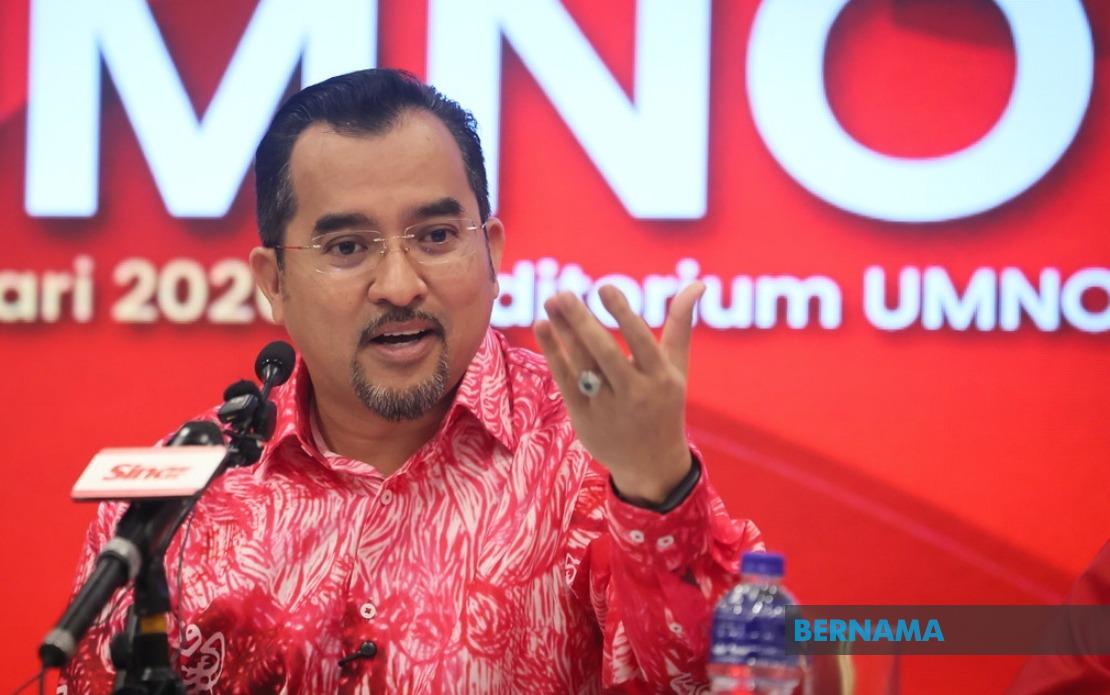
UMNO secretary-general Datuk Dr Asyraf Wajdi Dusuki has publicly attributed the sudden departure of party Supreme Council member Datuk Dr Mohd Puad Zarkashi to resentment over his son's exclusion from the candidate list for the Rengit state constituency. In a detailed Facebook statement issued in Johor Bahru, Asyraf Wajdi provided the party's perspective on what triggered the high-profile resignation announced by Mohd Puad on the same day.
Mohd Puad had announced his immediate withdrawal from UMNO via social media, citing a desire for greater freedom to express his personal views independently. However, Asyraf Wajdi's account suggests the decision emerged from a series of escalating disagreements between the party leadership and the departing member over candidate selection processes. The timing comes just days before the Election Commission set June 27 as nomination day for the Johor state election, with ballots scheduled for July 11 following the dissolution of the State Legislative Assembly on June 1.
According to Asyraf Wajdi's disclosure, Mohd Puad had submitted lengthy written correspondence to the party secretary-general threatening to publicly attack UMNO and resign if the leadership refused to consider his son as a viable candidate for the Rengit seat. The secretary-general acknowledged that while Mohd Puad's son possesses youth and apparent potential for grooming as a future political leader, the party must evaluate numerous criteria when finalizing its candidate slate for elections. This explanation underscores the broader tension within UMNO regarding how succession planning and meritocratic selection intersect with internal party dynamics.
Ashraf Wajdi's statement further revealed a pattern of similar ultimatums from Mohd Puad during previous political cycles. He referenced a comparable threat made during Datuk Seri Najib Tun Razak's presidency, when Mohd Puad warned of leaving UMNO unless he received renomination as Member of Parliament for Batu Pahat. This historical parallel suggests a recurring dynamic between Mohd Puad and party management over candidate preferences, indicating that frustration over the Rengit seat may represent the culmination of longstanding grievances rather than an isolated incident.
Mohd Puad's resignation also came attached to serious allegations against UMNO's internal governance. He asserted that the Johor palace exercises effective control over Johor UMNO and had orchestrated the dissolution of the state assembly. Asyraf Wajdi firmly rejected these claims as slander, defending both the party's institutional independence and the decision-making processes that led to the assembly's dissolution. This dimension of the dispute extends beyond candidate selection into questions about party autonomy, traditional institution influence, and the legitimacy of recent political decisions in Johor.
In his rebuttal, Asyraf Wajdi emphasized that UMNO fundamentally operates as a merit-based organization rather than a family-oriented or hereditary political entity that privileges relatives in leadership appointments. He stressed that the party must balance individual aspirations against broader institutional interests when making consequential decisions about representation and candidacy. This framing positions UMNO as principled in rejecting what leadership views as nepotistic demands, though the episode also exposes internal friction over how such principles are applied in practice.
The secretary-general's statement carried a broader philosophical argument about UMNO's identity and obligations. He contended that the party's historical mission—centered on advocating for race, religion, and national interests—supersedes personal desires or family-based concerns. According to this perspective, individual party members who leverage threats to pressure leadership into accommodating personal wishes fundamentally misunderstand UMNO's foundational purpose and undermine the collective struggle that has defined the organization for decades. Asyraf Wajdi positioned Mohd Puad's actions as incompatible with UMNO's core values.
Asyraf Wajdi concluded his statement by reasserting UMNO's commitment to remaining steadfast in its principles and refusing to capitulate to pressure campaigns orchestrated by individual members. The implication is that accepting Mohd Puad's demands would establish a dangerous precedent, effectively allowing senior leaders to dictate candidate selections through threats of public opposition and party departure. This stance reflects broader questions about internal party discipline, the limits of member autonomy, and how organizations balance competing claims of fairness between leadership prerogatives and member expectations.
The resignation carries significant implications for Johor UMNO as the state heads toward elections. Mohd Puad's departure removes a Supreme Council member from the party hierarchy at a critical juncture when candidate announcements and campaign strategies are being finalized. The public nature of his exit and accompanying allegations about palace influence could complicate UMNO's messaging in Johor, potentially emboldening other dissatisfied members to voice grievances or raising questions about the legitimacy of candidate selection processes.
For Malaysian politics more broadly, the episode illuminates recurring tensions within UMNO between hierarchical decision-making and member expectations regarding fair treatment and family advancement. These dynamics have periodically surfaced throughout UMNO's history, but they gain particular salience during election cycles when stakes for candidacy rise and internal competition intensifies. The Johor contest will serve as a test case for whether Asyraf Wajdi's principled defense of merit-based selection resonates with party members or whether grievances like Mohd Puad's reflect deeper organizational fractures.
The forthcoming Johor election will likely reveal whether Mohd Puad's departure significantly damages UMNO's electoral position or represents an isolated defection that the party can absorb. His subsequent political trajectory—whether he contests as an independent, joins another party, or withdraws from electoral politics—will provide further insight into the seriousness of his criticisms and the depth of his alienation from UMNO. Meanwhile, UMNO's candidate announcements for Rengit and other seats will communicate whether leadership succeeded in maintaining unified messaging or whether additional departures and public disputes undermine campaign coherence.

