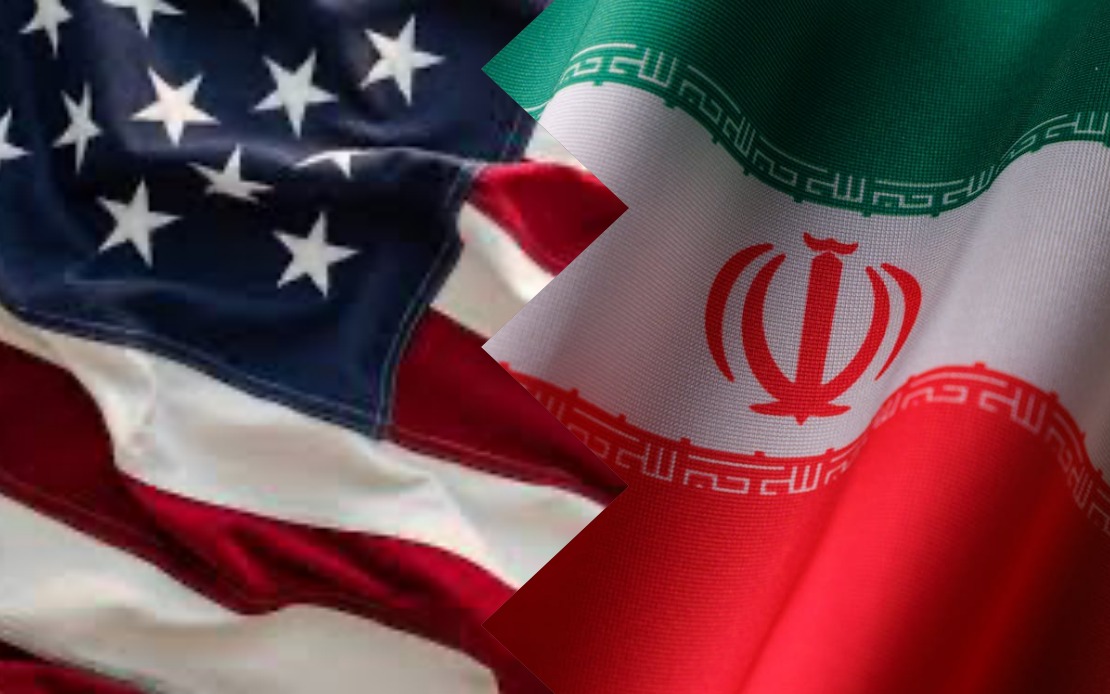
Qatar is pressing its neighbours across the Gulf Cooperation Council to work in concert on implementing a fragile agreement between the United States and Iran, signalling deep concern about the region's volatile trajectory following months of tense military posturing. Prime Minister and Foreign Minister Sheikh Mohammed bin Abdulrahman Al Thani conveyed this message in a series of diplomatic conversations held Monday with senior officials from the United Arab Emirates, Saudi Arabia, Kuwait, Oman and Bahrain, according to statements from Qatar's Foreign Ministry. The multilateral push reflects recognition among Gulf capitals that no single nation can stabilise the region unilaterally and that sustained dialogue mechanisms are essential to preventing further escalation.
The underlying context for Qatar's intervention is deeply concerning. Hostilities between Washington and Tehran have escalated dramatically since February, when the US and Israel launched military strikes against Iranian targets, prompting swift retaliatory action by Tehran across the broader Middle East. The cycle of attack and counter-attack created genuine alarm among Gulf states positioned in close proximity to this strategic rivalry. In an attempt to arrest the deteriorating situation, the US and Iran negotiated a ceasefire agreement in April, followed by a more comprehensive memorandum of understanding brokered by Pakistan in June. However, the fragility of these diplomatic achievements became apparent when the accord collapsed last month, leading to nearly two weeks of renewed military exchanges between the two powers.
Within this volatile landscape, Qatar has positioned itself as a regional advocate for dialogue and conflict resolution. Al Thani's conversations emphasised the critical importance of maintaining diplomatic engagement rather than allowing tensions to metastasise into open conflict. He underscored the need for all parties—including Gulf states themselves—to remain steadfastly committed to negotiation and peaceful resolution mechanisms. This messaging reflects Qatar's long-standing role as a mediator in regional disputes, a reputation built through various diplomatic initiatives over the past two decades.
A particular focus of the coordinated initiative involves ensuring freedom of navigation through the Strait of Hormuz, one of the world's most economically vital waterways through which roughly one-third of all seaborne oil transits daily. The strategic importance of this passage cannot be overstated for Gulf economies, as any disruption—whether from military action, blockades or accidents—poses immediate threats to global energy supplies and regional prosperity. Al Thani emphasised that preserving unimpeded passage through the strait must remain a non-negotiable component of any sustainable regional security arrangement, linking maritime access directly to broader economic stability across the Gulf.
Qatar's advocacy for implementing the US-Iran memorandum reflects a delicate balancing act that the kingdom has maintained throughout recent turbulence. Unlike Saudi Arabia and the UAE, which have generally aligned more closely with the United States, Qatar has cultivated channels with both Western powers and Iran, positioning itself as a neutral convener. This diplomatic positioning has proven valuable in moments of acute tension, as Doha can communicate concerns to both sides without being perceived as partisan. The current initiative leverages this credibility by framing coordination as a collective Gulf endeavour rather than alignment with any particular power.
For Southeast Asian observers, particularly those in Malaysia, the implications of this diplomatic struggle merit close attention. The viability of the US-Iran agreement directly affects regional economies through energy security and global supply chains. Any further deterioration in Gulf stability would likely drive oil prices higher, increasing costs for Malaysian importers and manufacturers. Beyond economics, the Middle Eastern crisis demonstrates how regional powers employ multilateral coordination mechanisms to manage tensions—a lesson relevant to Southeast Asia's own security architecture, including ASEAN's evolving approach to managing great power competition.
Qatar's emphasis on preserving recent diplomatic gains suggests recognition that the June memorandum, despite its collapse, established precedents and channels that remain potentially salvageable. The kingdom appears to believe that with sustained regional pressure and unified messaging from Gulf states, the foundation for renewed negotiations could be reconstructed. This reflects an understanding that once diplomatic frameworks achieve even temporary agreements, abandoning them entirely risks normalising military escalation as an acceptable negotiating tool.
The choice of Oman as a conversation partner deserves particular note, as Muscat has long positioned itself as a bridge-builder between Iran and its Arab neighbours. Oman's historically pragmatic approach to Iran relations—maintaining commercial and diplomatic ties while avoiding confrontation—suggests it may serve as a transmission channel for messages to Tehran. Similarly, Kuwait's inclusion reflects its geographic proximity and economic interdependence with both Iran and other Gulf states, making it a natural stakeholder in any regional stability arrangement.
Looking forward, Qatar's initiative faces significant headwinds. The US-Iran relationship remains fundamentally adversarial despite moments of diplomatic progress, and deep structural mistrust on both sides complicates negotiations. Additionally, varying interests among Gulf states themselves—particularly differing threat perceptions of Iran and different strategic alignments with external powers—create friction that unified messaging must somehow overcome. However, the very act of Qatar convening these conversations and seeking coordinated responses demonstrates that Gulf capitals recognise the costs of allowing military escalation to become normalised, and that diplomatic investment remains worthwhile despite recent setbacks.

