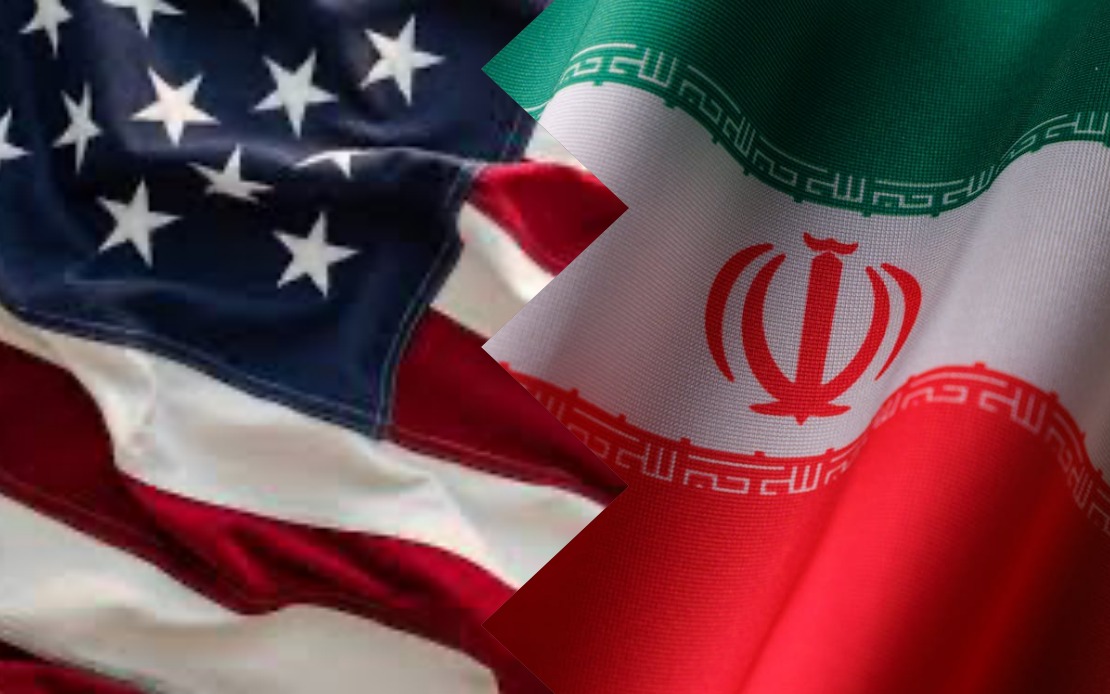
Mediation efforts between Washington and Tehran have yielded encouraging results, according to Qatar's Foreign Ministry, which announced on Wednesday that indirect negotiations conducted in the emirate's capital have produced what both sides characterise as meaningful headway on substantive matters. The diplomatic engagement, brokered jointly by Qatar and Pakistan, represents a continuation of high-level dialogue aimed at addressing longstanding tensions between the two regional powers.
Qatar's Foreign Ministry spokesman Majed Al Ansari disclosed the development through a statement on the X platform, noting that separate meetings held in Doha between American and Iranian delegations concluded with what he described as positive momentum on issues directly connected to the Islamabad Memorandum of Understanding. This framework, established through earlier diplomatic channels, serves as the foundation for the current round of indirect negotiations. The talks build upon outcomes previously achieved at the Lake Lucerne Summit, suggesting a structured and methodical approach to resolving bilateral concerns.
The breakthrough comes at a particularly sensitive juncture, as regional tensions remain elevated following the killing of former Iranian Supreme Leader Ali Khamenei in a joint US-Israeli military strike on February 28. The assassination of Iran's longtime leader sent shockwaves through the Middle East and threatened to derail nascent diplomatic progress. Khamenei's death had raised concerns among mediators that substantive negotiations might be suspended during a period of mourning and domestic political transition within Iran.
Acknowledging these sensitivities, both parties have agreed to pause formal engagement to allow Iran to observe traditional funeral ceremonies scheduled for Friday. Rather than viewing this interruption as a setback, negotiators have framed it as a natural rhythm in diplomatic proceedings, with commitments made to resume discussions at the earliest feasible opportunity once Iran's mourning period concludes. This measured approach reflects an understanding that maintaining respectful engagement requires recognising cultural and political considerations that extend beyond purely transactional negotiations.
The role of Qatar and Pakistan as joint mediators underscores the complex diplomatic architecture now surrounding US-Iran relations. Qatar, with its historical ties to Iran and its established position as a neutral venue for sensitive discussions, has long served as a diplomatic intermediary between Washington and Tehran. Pakistan's involvement adds another layer to the mediation framework, reflecting broader regional interests in de-escalation and the stabilisation of relationships that affect South and West Asian security dynamics.
For Malaysian observers and policymakers, these developments carry significant implications. The Middle East remains integral to regional stability and global trade flows that directly impact Southeast Asia's economic interests. Escalation between the US and Iran would disrupt shipping lanes through the Strait of Hormuz, through which a substantial portion of global petroleum supplies transit. Malaysia's energy security and manufacturing sector depend heavily on reliable access to Middle Eastern oil and the predictability of maritime commerce.
Moreover, any breakdown in US-Iran diplomatic engagement could accelerate regional proxy conflicts and humanitarian crises that generate refugee flows affecting Southeast Asian nations. The stabilisation of US-Iran relations through dialogue, therefore, serves broader multilateral security interests that extend well beyond the immediate parties involved. Malaysian foreign policy, committed to non-alignment and the peaceful resolution of international disputes, aligns with the principle that structured negotiation offers superior outcomes to confrontation.
The Islamabad Memorandum of Understanding, though publicly sparse in detail, apparently encompasses matters of mutual concern including sanctions relief, nuclear programme safeguards, and regional security arrangements. Progress on these foundational issues suggests that both Washington and Tehran recognise mutual benefits from de-escalation, despite their fundamentally opposed regional interests and divergent strategic visions.
The scheduling of future meetings represents a pragmatic commitment to continuity. By establishing protocols for resumed engagement and maintaining the mediation framework intact, negotiators preserve the institutional infrastructure necessary for sustained dialogue. This approach acknowledges that diplomatic breakthroughs rarely emerge from single encounters but rather develop through cumulative progress across multiple rounds of negotiation.
Regional observers will closely monitor whether these talks eventually expand beyond indirect formats to direct engagement between American and Iranian officials. The current arrangement, while enabling progress, inherently constrains the depth and flexibility of negotiations. However, the announcement of positive momentum suggests that psychological barriers to more direct formats may gradually erode as trust develops through successful mediation cycles.
The broader geopolitical significance lies in whether these talks can reverse the escalatory trajectory that has characterised US-Iran relations since the 2018 American withdrawal from the Joint Comprehensive Plan of Action (JCPOA). Restoration of that accord, or negotiation of successor arrangements addressing both nuclear and broader security concerns, would represent a fundamental reorientation of Middle Eastern regional dynamics.
Southeast Asian nations, while geographically distant from the Persian Gulf, maintain vital interests in US-Iran stabilisation. ASEAN members engage extensively with both powers through trade, investment, and security partnerships. Sustained confrontation between Washington and Tehran generates unpredictable externalities that complicate regional diplomacy and introduce geopolitical risks into otherwise stable bilateral relationships.

