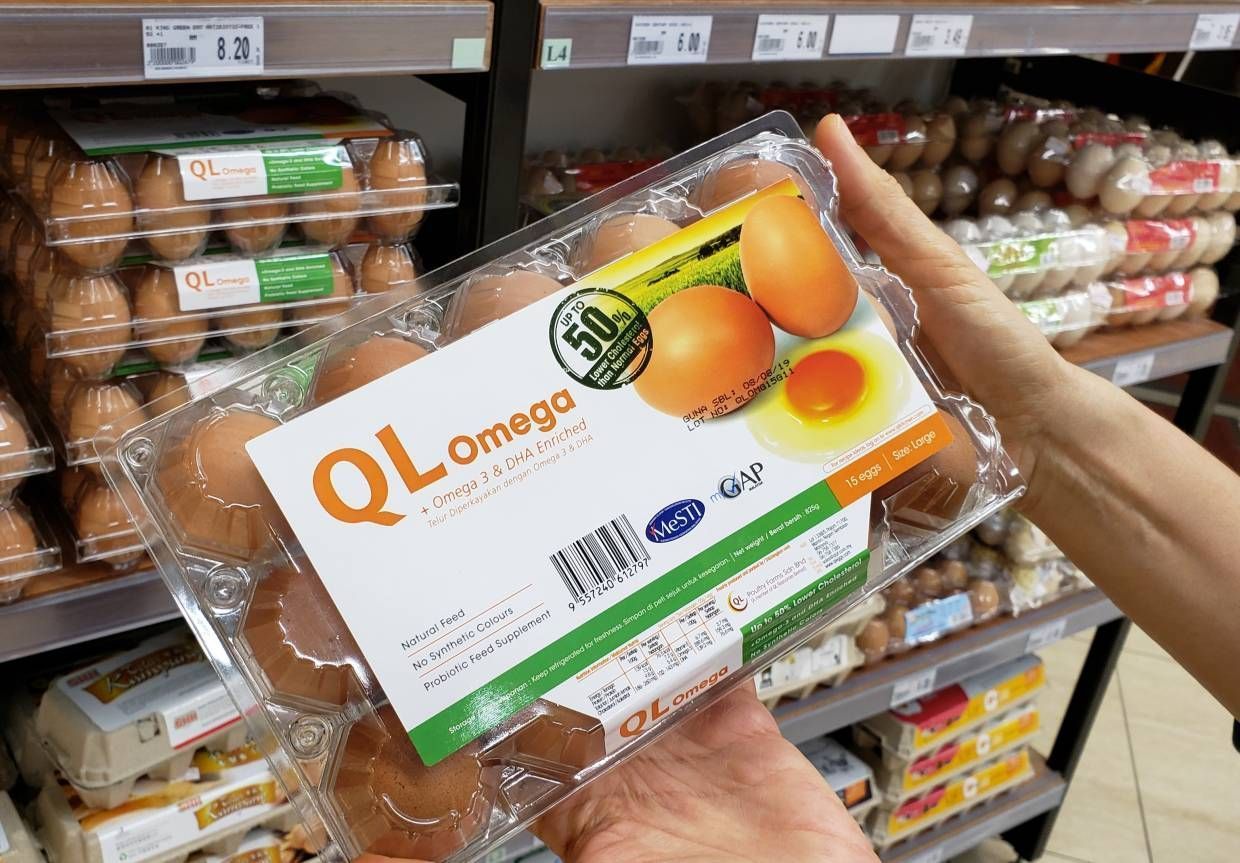
MBSB Research has downgraded QL Resources, the region's diversified agro-based conglomerate, on valuation considerations, though the research house has kept its earnings estimates and fundamental assessments of the company intact. The downgrade signals that recent positive sentiment surrounding QL has already been reflected in the stock price, which closed at RM3.96 at the time of the analyst update. Despite the valuation call, MBSB remains constructive on the company's medium-term trajectory, underpinned by its geographically and operationally diverse portfolio that spans integrated livestock farming, marine protein manufacturing, convenience retail, and renewable energy initiatives.
QL's latest financial year 2026 results, ending March 31, 2026, showed net profit of RM450.35 million against RM455.08 million in the prior year, while revenue held steady at RM7.05 billion. Although these headline figures suggest limited growth momentum, the company's operational resilience across multiple segments and its strategic positioning in Southeast Asia's protein and energy sectors continue to provide a buffer against cyclical pressures. The company's earnings power remains intact, supporting MBSB's decision to maintain its profit forecasts even as it reassesses the stock's attractiveness at current prices.
A critical dimension of QL's investment case involves its strengthening environmental, social and governance credentials. The group reported under the International Sustainability Standards Board's IFRS S1 and S2 standards for the first time in FY26, aligning its disclosures with globally recognised frameworks including the Global Reporting Initiative Standards, Sustainability Accounting Standards Board criteria, Task Force on Climate-related Financial Disclosures guidance, and the Malaysian Code on Corporate Governance. This multi-framework approach demonstrates QL's commitment to transparency and accountability in sustainability matters, areas increasingly scrutinised by both institutional investors and regulators across the region.
The quality of QL's sustainability disclosure has visibly improved, with initiatives now embedded directly into operational strategy rather than treated as peripheral programmes. The integrated livestock farming, marine products, convenience store network, and clean energy divisions all contribute to measurable social and environmental outcomes. This integrated approach resonates with investors seeking companies that embed purpose into core business models rather than relying on standalone corporate social responsibility initiatives disconnected from revenue generation.
QL's flagship "C Our Future" community programme, now in its third year of operation, demonstrates the tangible impact of its social positioning. The initiative distributed 95,940 eggs to 20 Tabikas during FY26, directly benefiting 683 children and achieving a 29.7 per cent reduction in underweight cases among participating children. Beyond nutritional support, the programme underscores QL's strategic approach to building community goodwill in markets where affordability and food security remain pressing concerns. This social licence proves invaluable in segments exposed to price controls and consumer sensitivity to cost-of-living pressures, helping insulate the company from policy risks common in the region.
Addressing broader corporate societal responsibility, QL allocated RM15.67 million under shared-prosperity initiatives during FY26 and redistributed 29,746.76 meals through its convenience store business. These investments transcend conventional charity, serving instead as strategic tools that reinforce QL's market access and operational legitimacy in price-sensitive categories. The convenience store chain, in particular, operates in a channel where consumer sentiment and competitive intensity directly influence brand loyalty and footfall. Social initiatives strengthen customer affinity while positioning QL as a stakeholder committed to community welfare rather than profit maximisation alone.
QL's recognition as a constituent of the FTSE4Good Index Series with a Three-Star rating, coupled with its MSCI ESG rating of BBB, signals institutional credibility in sustainability performance. These designations matter significantly for Malaysian and regional investors navigating investment mandates tied to environmental and social criteria, particularly among pension funds, endowments, and asset managers operating under responsible investment frameworks. The ratings validate QL's disclosure and operational efforts while enhancing the company's appeal to capital sources increasingly prioritising ESG alignment.
The integrated livestock farming segment, QL's largest earnings contributor, faces mixed near-term dynamics. Layer farming in Peninsular Malaysia confronts margin compression driven by low egg prices, though branded egg products and improved productivity in Indonesia provide offsetting support. The potential for a turnaround in Vietnam's layer market as regional egg prices recover presents an upside scenario, particularly given QL's established regional footprint and operational expertise. Indonesia's improved productivity trajectory suggests the company's investments in operational standards and efficiency outside Malaysia are yielding returns.
The convenience store chain continues navigating headwinds from subdued consumer sentiment and intensifying competition from both traditional and emerging retail formats. However, operational efficiencies and strategic store expansion provide countervailing support to underlying store economics. This segment's stability matters beyond its contribution to consolidated earnings; it provides QL with last-mile distribution reach that enhances the efficacy of its community programmes and strengthens customer touchpoints across its portfolio.
QL's palm oil and clean energy operations stand to benefit from favourable market conditions. The group's bioenergy and water treatment project pipelines remain active, while crude palm oil prices have risen due to El Niño-related supply tightness and production challenges in key growing regions. This segment diversification ensures QL captures value from energy and sustainability trends reshaping Southeast Asia's economic landscape. As the region transitions towards renewable energy and sustainable agriculture, QL's positioning in these spaces provides long-term growth optionality independent of traditional protein market cycles.
MBSB's maintenance of constructive medium-term fundamentals view reflects confidence that QL's diversification strategy, while not eliminating segment-specific headwinds, creates sufficient resilience to support steady profit generation. The company's exposure across geographies, protein categories, retail channels, and energy sources means no single market downturn can severely impair consolidated performance. For Malaysian and regional investors seeking exposure to Southeast Asia's protein security and energy transition narratives, QL offers a differentiated platform delivering both cyclical stability and alignment with emerging sustainability imperatives. The valuation downgrade, while tempering near-term enthusiasm, preserves the strategic investment rationale underlying QL's positioning as a structural beneficiary of the region's demographic and environmental trends.

