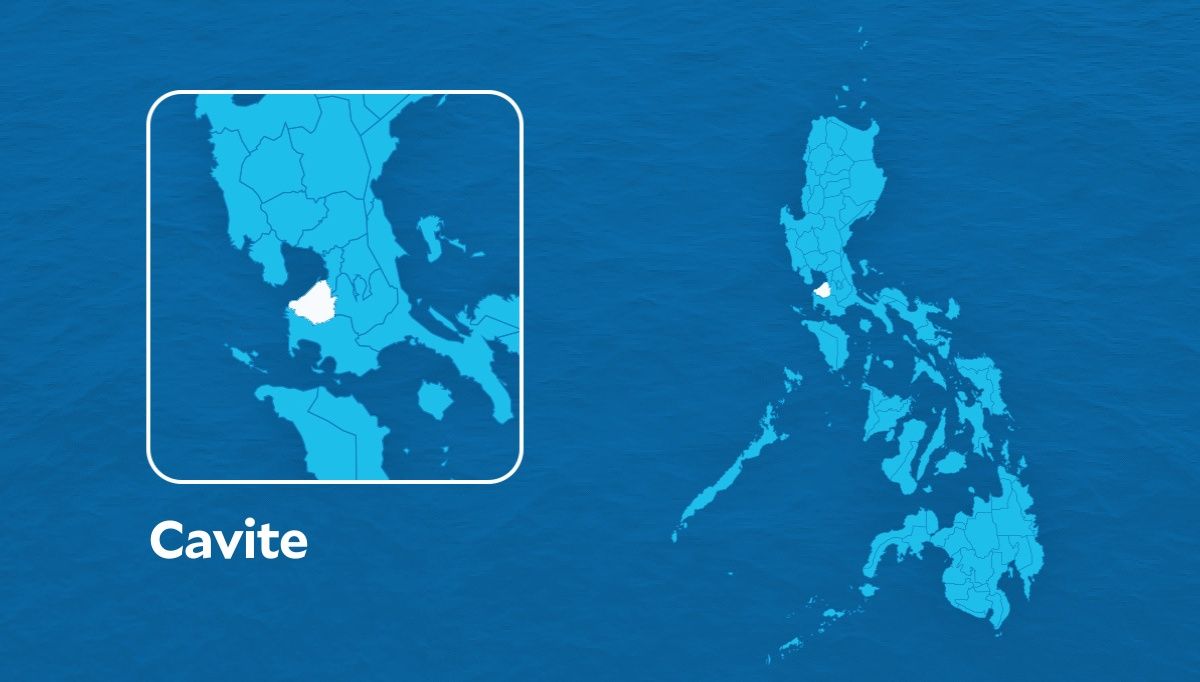
A crisis was averted in the Philippines this week when school authorities and law enforcement moved swiftly to neutralise a credible threat of violence at a secondary institution. On June 30, the Cavite Police Provincial Office announced that officers had apprehended a minor student and recovered an improvised firearm following what officials describe as an alarming plot to conduct a school shooting at General Mariano Alvarez, Cavite. The rapid coordination between educators, police, and community leaders demonstrates a security model increasingly critical across Southeast Asia, where educational institutions have become focal points of safety concern.
The chain of events began when a teacher discovered troubling communications suggesting the Grade 10 student intended to perpetrate a shooting on July 2. Rather than downplaying the threat or handling it internally, General Mariano Alvarez Technical High School immediately escalated the matter to law enforcement authorities. This decision proved pivotal, as police swiftly verified the intelligence and coordinated with the student's family and local barangay officials. Within hours, authorities had located and seized an improvised, unregistered firearm that would have been used in the alleged attack. The speed of response underscores how institutional protocols, when followed properly, can effectively interrupt potential tragedies before they materialise.
The student remains in the custody of the Municipal Social Welfare and Development Office, being processed through the juvenile justice system in accordance with the Juvenile Justice and Welfare Act. Authorities have elected to withhold the minor's identity, a protection mandated under Philippine law that acknowledges the rehabilitation potential of younger offenders. The Cavite Police Provincial Office continues building its case, preparing charges to be filed against the suspect under existing laws governing illegal firearms and threats to public safety. This procedural approach reflects the dual imperative facing modern law enforcement: ensuring public security whilst safeguarding the rights and developmental prospects of young people who may be influenced by impulses that adult judgment would reject outright.
The incident highlights vulnerabilities in school security that extend across the entire Southeast Asian region. Educational campuses by nature concentrate large populations of vulnerable young people during predictable hours and in accessible locations, making them attractive targets for those harbouring violent intentions. The fact that the alleged plotter communicated his intentions online rather than concealing them entirely suggests either impulsivity or a cry for help—a distinction that may prove crucial for understanding the psychological factors at play. Teachers and administrators, who spend more time with students than parents do, occupy a front-line position for detecting warning signs of escalating disturbance or radicalisation.
The Philippine case demonstrates best practices in threat assessment and prevention. When school officials received the report of menacing information, they did not attempt to investigate independently or resolve the matter through conventional disciplinary channels. Instead, they immediately involved law enforcement professionals equipped with investigative tools, forensic capabilities, and legal authority that schools lack. This institutional humility—recognising the limits of educational expertise when facing potential violence—contrasts sharply with institutions that delay police involvement hoping to manage crises internally. The consequences of such hesitation can be catastrophic, as demonstrated by numerous educational emergencies globally that were exacerbated by delayed or incomplete disclosure to authorities.
The recovery of the improvised firearm adds a particularly concerning dimension to the case. The fact that a student could fabricate a functioning weapon suggests either access to materials and technical knowledge, or assistance from an adult. Investigators will need to determine whether the minor acted in isolation or whether other individuals facilitated the acquisition of this weapon. Such questions carry implications beyond this single incident, pointing to potential systemic vulnerabilities in how firearm components circulate and how young people access dangerous knowledge or assistance in Southeast Asian contexts where regulation of weapons manufacturing and distribution varies significantly across jurisdictions.
School officials at General Mariano Alvarez Technical High School also deserve credit for their willingness to disrupt the educational calendar by implementing security protocols and coordinating with authorities. When a credible threat emerges, maintaining normal operations becomes impossible—and any administrator who attempts to do so risks catastrophic failure of their primary duty. The school's June 28 statement announcing coordinated action with law enforcement provided sufficient information to communicate seriousness without unnecessarily alarming broader communities or potentially compromising the investigation. This calibrated communication reflected institutional maturity in crisis management.
The Cavite Police Provincial Office has used the incident as an opportunity to reinforce broader messaging about threat prevention. Authorities explicitly urged the public to report suspicious information immediately to police rather than speculating or sharing unverified claims on social media. This guidance addresses the corrosive dynamics of digital-age rumour spreading, where fragmentary information can trigger panic, vigilantism, or copycat behaviour. Police also reminded citizens of legal protections for juveniles involved in criminal matters, asking that people refrain from disclosing the identity of the accused student. Such restraint proves essential for protecting the minor's rehabilitation prospects whilst preventing secondary harms associated with online exposure.
For Malaysia and other Southeast Asian nations, the Philippine case offers instructive lessons in institutional coordination and early intervention. Educational authorities across the region should examine their own threat-reporting protocols and ensure that faculty members understand how to escalate concerns to appropriate authorities without delay. Training programmes that teach teachers to identify behavioural warning signs—social isolation, obsessive interest in weapons or violence, disturbing writing or online activity, expressions of hopelessness or grievance—can multiply the eyes and ears available for early detection. Simultaneously, law enforcement agencies should ensure that schools understand exactly how and when to involve police, removing ambiguity that might cause administrators to delay reporting or attempt self-help strategies that compromise investigation and prevention.
The broader context of this incident reveals how school safety intersects with mental health, social integration, and family stability. A Grade 10 student motivated to plan a mass casualty event likely exhibits signs of profound distress, possible radicalisation to violent ideology, or significant psychological pathology. Prevention requires not only security infrastructure and threat reporting, but also accessible counselling services, interventions for at-risk youth, and community contexts where young people feel connected and valued. The speed with which this particular incident was contained should not obscure the longer-term investments necessary to address underlying conditions that motivate young people toward violence.
Authorities in the Cavite Police Provincial Office have positioned this incident as vindicating their commitment to proactive policing and community engagement. The narrative of success—a plot detected, a weapon secured, a crisis averted—resonates powerfully with public anxieties about educational safety. Yet the genuine test of systemic effectiveness lies in how authorities manage the juvenile suspect during and after legal proceedings. Rehabilitation approaches that address the psychological, social, and ideological dimensions of the student's threatened violence will ultimately determine whether this intervention produces a genuinely safer community or merely postpones a future crisis. The framework established by the Juvenile Justice and Welfare Act offers pathways toward redemption and reintegration, provided that all stakeholders commit to the difficult work of understanding and addressing the factors that drove a young person toward such a destructive course.

