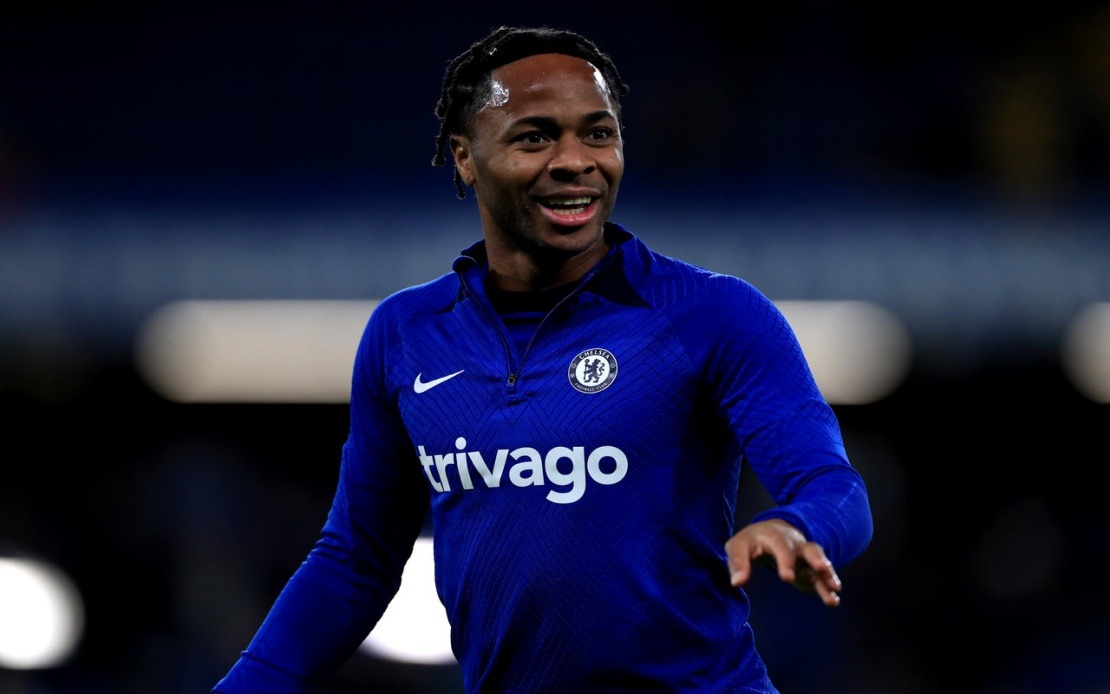
Raheem Sterling, the England international who spent much of his career at Manchester City, has been charged with dangerous driving and possession of nitrous oxide in connection with a motorway accident earlier this year. Hampshire and Isle of Wight Constabulary announced the charges following a single-vehicle collision that occurred on May 28 on the M3 southbound near the Minley interchange. The crash involved a Lamborghini, and authorities confirmed that no other vehicles were implicated in the incident nor were there any reported injuries.
The charges against the 31-year-old Berkshire resident comprise three counts: dangerous driving, possession of nitrous oxide for wrongful inhalation, and failing to provide a specimen. Sterling is scheduled to make his court appearance at Basingstoke Magistrates' Court on September 15, where the charges will be formally heard and addressed. The charges mark a significant development for the player, whose career has spanned two decades at the highest levels of professional football.
Sterling's football trajectory has been remarkable. Beginning his professional journey at the Queens Park Rangers academy, he progressed to Liverpool where he established himself as a senior player before his move to Manchester City in 2015 proved to be transformative. During his decade at the Etihad Stadium, Sterling became one of the Premier League's most consistent performers, securing four league titles alongside five League Cup victories and an FA Cup triumph in 2019. His international record demonstrated similar consistency, with 20 goals in 82 appearances for England, including pivotal contributions to the nation's deep runs in the 2018 World Cup and Euro 2020, where the team reached the final under Gareth Southgate's stewardship.
Beyond his achievements on the pitch, Sterling has distinguished himself through activism and advocacy work. In 2021, he received an MBE during the Queen's Birthday Honours in recognition of his services to racial equality in sport. This accolade reflected his sustained commitment to combating racism and discrimination, both within football and the broader sporting sphere. His willingness to speak publicly against intolerance has made him a prominent figure in campaigns promoting inclusion, particularly during periods when England players faced considerable backlash for taking the knee at matches as a anti-racism gesture. Despite facing booing from some sections of supporters, Sterling remained resolute in his advocacy, contributing to what has become a significant conversation about institutional racism in English football.
Sterling's recent playing history reflects the uncertainties that characterise football careers, even for elite performers. His 2022 transfer to Chelsea represented a new chapter, though opportunities proved limited during his tenure at Stamford Bridge. Seeking regular playing time, the winger spent the 2024-25 season on loan with Arsenal, a move that suggested he was seeking to rediscover form and prominence. More recently, he joined Dutch club Feyenoord on a short-term arrangement that would see him through until the end of the season, indicating a desire to maintain competitive football while reassessing his medium-term prospects.
The motorway incident and subsequent charges represent an unexpected complication in Sterling's trajectory. Road safety matters carry serious legal consequences in the United Kingdom, and the charges of dangerous driving and possession of a controlled substance mark a departure from the sporting narratives that have defined his public profile. The failing to provide a specimen charge suggests complications beyond the initial collision, potentially related to roadside testing procedures. For Malaysian and Southeast Asian observers who have followed Sterling's career, particularly his vocal advocacy on social issues, the legal proceedings underscore how even high-profile athletes face accountability through the ordinary justice system.
The September 15 court hearing will be a critical moment for Sterling. Magistrates' courts in England typically handle preliminary hearings for more serious charges, determining whether cases should proceed to Crown Court. The outcome of this initial appearance will shape the trajectory of the legal process and potentially impact his ability to continue his professional activities unimpeded. For football fans across the region, the proceedings represent a sobering reminder that even celebrated athletes operate within the same legal frameworks as the general public.
Sterling's MBE recognition had positioned him as not merely an athlete but a cultural figure invested in progressive social change. His platform had grown through his consistent willingness to engage with complex issues around discrimination and equality. The current legal challenge stands in sharp contrast to this carefully cultivated image, introducing complications that extend beyond the football pitch and into personal accountability and legal responsibility. The situation will inevitably attract significant media scrutiny in the coming weeks, particularly given his prominence in English football and his established public presence.
The incident also raises questions about athlete conduct and expectations placed upon high-profile sports figures. Sterling's career has been characterised by sustained excellence and principled advocacy, yet this moment illustrates the vulnerability of professional reputations when personal decisions intersect with legal systems. For supporters who have admired his footballing abilities and social contributions, the charges introduce dissonance between the public persona and the private individual now facing serious legal allegations.

