Parliament's scheduled debate tomorrow on the Royal Commission of Inquiry findings into Lembaga Tabung Haji should concentrate on safeguarding the Islamic fund management institution from political meddling and personal interest, according to a prominent business academic. The discussion, which will review damning revelations about losses, unwarranted bonus distributions, governance conflicts and underperforming investments, represents a critical moment for lawmakers to set the course for Tabung Haji's future direction and restore public trust in Malaysia's pilgrimage savings scheme.
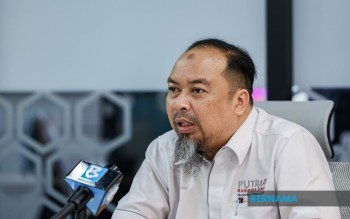
Prof Dr Ahmed Razman Abdul Latiff, who directs the MBA programme at Putra Business School, contends that the parliamentary forum must serve as a platform to formally commit to removing politicians from board positions and preventing partisan actors from influencing strategic decisions. Rather than allowing the chamber to become a venue for political scoring and blame-shifting, he believes the debate should establish concrete mechanisms ensuring that professional executives with proven integrity take full control of the institution's operations. This distinction between accountability and politicisation will shape whether Tabung Haji emerges from this crisis genuinely reformed or merely appears to address concerns while systemic vulnerabilities persist.
The RCI's detailed examination uncovered systemic failures spanning conflicts of interest, inadequate oversight mechanisms and investment decisions that prioritised political considerations over fiduciary responsibility. According to Ahmed Razman, these findings should catalyse comprehensive reforms to internal controls and corporate governance frameworks that would withstand future scrutiny. The debate presents an opportunity for parliament to publicly acknowledge these weaknesses and articulate how the institution will prevent their recurrence through structural changes rather than personnel shuffles that mask deeper problems.
Ahmed Razman emphasised that parliamentary members should ground their contributions in documented facts rather than exploiting the forum for partisan advantage, a distinction that carries particular weight given Malaysia's contentious political climate. When legislative debates devolve into point-scoring exercises, the genuine grievances of Tabung Haji's depositors—many of whom are ordinary Malaysians saving for religious obligations—become secondary to factional battles. Constructive engagement would demonstrate to the public that parliament takes its oversight responsibilities seriously and that reform efforts will be pursued with clarity and transparency rather than obscured by political theatre.
The question of individual accountability remains delicate but essential. Ahmed Razman flagged the importance of ensuring that any subsequent investigations targeting individuals implicated during the RCI's examination period be conducted openly and consistently, without perception of selective prosecution or preferential treatment. This balance between holding wrongdoers responsible and avoiding the appearance of politically motivated persecution will test whether the institutional reforms can gain genuine public acceptance. If certain individuals escape consequences while others face sanctions for comparable conduct, public faith in the recovery process will remain fragile regardless of structural improvements.
Concerns among depositors regarding their savings' security have understandably intensified following the RCI disclosures. Ahmed Razman sought to reassure the public by highlighting a fundamental distinction between Tabung Haji and commercial banking institutions: government law guarantees all savings held in Tabung Haji without the deposit limits that apply to conventional banks. This constitutional protection means that individual depositors face no direct financial risk even if the institution's current difficulties were more severe than presently understood. Communicating this guarantee clearly during parliamentary debate could help stabilise public confidence at a moment when anxiety threatens to undermine the institution's core function.
The progress Tabung Haji has already demonstrated in implementing reform recommendations deserves recognition within the broader narrative of institutional failure and recovery. The institution has successfully carried out more than three-quarters of the RCI's suggestions for enhancement, signalling that management recognises the urgency of reform and possesses capacity to execute meaningful change. This momentum suggests that with proper parliamentary oversight and continued commitment to depoliticisation, Tabung Haji can transition from an institution defined by mismanagement to one characterised by professional stewardship and sound Islamic financial practices.
Tomorrow's proceedings will commence with a briefing delivered by Minister in the Prime Minister's Department (Religious Affairs) Dr Zulkifli Hasan, establishing the government's position before members of parliament engage in structured questioning and debate. The minister's opening remarks will set the tone for whether parliament approaches the exercise as a serious accountability exercise or permits partisan divisions to dominate discourse. The subsequent question-and-answer session and debate will reveal whether lawmakers prioritise the institution's long-term integrity or shorter-term political positioning.
The significance of this debate extends beyond Tabung Haji itself, carrying implications for how Malaysian institutions navigate the intersection of religious mandate, financial responsibility and political governance. Successfully depoliticising Tabung Haji would establish a precedent that statutory bodies serving communities with religious or social missions can operate according to professional standards and public interest rather than factional agendas. Conversely, if parliament permits political considerations to dominate the recovery narrative, it signals that no institution, regardless of its public importance, can reliably escape politicisation. For Malaysia's broader institutional health and for the millions of depositors who depend on Tabung Haji to fulfil their religious aspirations, tomorrow's debate represents more than a legislative formality—it constitutes a defining moment for whether reform commitments will translate into genuine institutional transformation.

