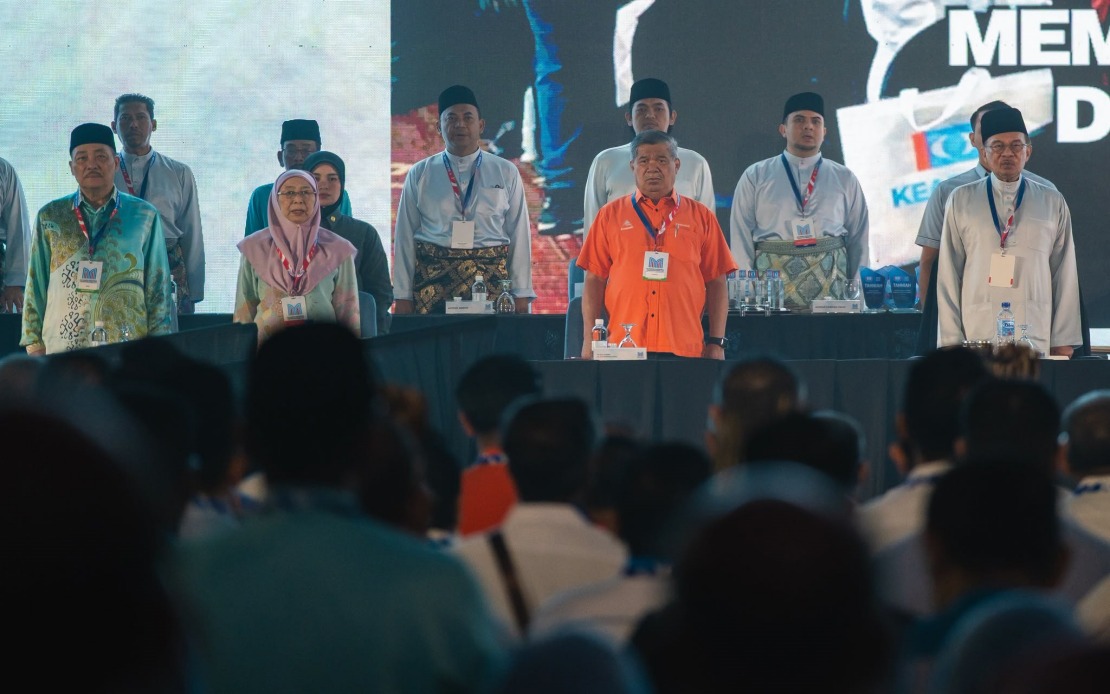
Parti Amanah Negara (Amanah) president Datuk Seri Mohamad Sabu has underscored that Malaysia's reform trajectory cannot stall upon attaining political power, reiterating that the mandate granted by voters demands tangible demonstration through consistent action and measurable outcomes. Addressing supporters at the Melaka International Trade Centre in Ayer Keroh, Mohamad Sabu emphasised that transformation remains unfinished business, requiring political leaders across all levels to maintain vigilance and momentum rather than relaxing standards once elections have been won. The Agriculture and Food Security Minister's message reflects growing concerns within reform-minded coalitions that incumbent administrations occasionally lose reformist zeal once electoral cycles conclude, necessitating internal mechanisms to sustain accountability.
The Amanah chief's remarks carry particular significance given Malaysia's historical pattern of governance challenges. He stressed that culpability for misappropriating public funds transcends factional boundaries, signalling an approach indifferent to political affiliation when addressing financial impropriety. This stance distinguishes principled anti-corruption efforts from selective prosecution often observed in fractionalised political environments. Mohamad Sabu articulated that reform represents a binding operational philosophy rather than campaign rhetoric designed to mobilise voters during electoral contests. The commitment extends beyond symbolic gestures, anchoring itself in substantive policy implementation and institutional strengthening that persists across successive administrations.
Modernising Malaysia's governance framework requires sustained institutional reforms that transcend individual leadership tenures or parliamentary cycles. Mohamad Sabu's positioning within this broader reform conversation reflects Amanah's role as a moral anchor within the current coalition, maintaining pressure on coalition partners to honour reform commitments beyond rhetorical endorsements. The party has increasingly positioned itself as custodian of reform principles, distinguishing between performative governance improvements and systemic changes addressing structural deficiencies that enable corruption, patronage networks, and financial mismanagement. This institutional approach recognises that single-term administrations cannot implement comprehensive transformation; rather, successive governments must build upon foundational reforms.
PKR president Datuk Seri Anwar Ibrahim's address at the 2026 PKR National Congress similarly emphasised reform continuity, reinforcing consensus among major coalition components regarding governance priorities. The convergence of messaging suggests coordinated strategy among ruling coalition parties to position themselves as committed to fundamental change rather than mere electoral management. This alignment proves crucial in maintaining coalition cohesion and managing grassroots expectations that victory should translate into substantive improvements in governance quality and financial stewardship. Public cynicism regarding political promises necessitates consistent messaging and visible implementation progress.
The government's commitment to advancing Sabah and Sarawak's interests through Malaysia Agreement 1963 (MA63) implementation represents another dimension of reform priorities. Mohamad Sabu positioned this agenda as central to demonstrating that reform encompasses federal-state relations, constitutional protections, and regional equity. Malaysia's federal structure has historically generated tensions regarding resource distribution and political autonomy, rendering MA63 implementation significant for national cohesion. Progressive implementation signals respect for constitutional frameworks and minority interests beyond peninsular concerns, broadening reform's geographic and political scope.
Economic performance requires reframing beyond conventional growth metrics to encompass genuine improvements in living standards and reduced cost-of-living pressures facing ordinary Malaysians. Mohamad Sabu's emphasis on translating economic expansion into household welfare enhancements reflects public frustration with prosperity statistics that obscure stagnant real wages, rising housing costs, and diminishing purchasing power. This people-centred economic philosophy acknowledges that macroeconomic growth divorced from microeconomic relief represents incomplete governance success. Policymakers increasingly confront pressure to demonstrate tangible benefits reaching lower and middle-income households rather than concentrating wealth among corporate and political elites.
The government's commitment to repealing the Universities and University Colleges Act 1971 (AUKU) addresses longstanding concerns regarding academic freedom and student advocacy rights. Mohamad Sabu's welcome for this reform initiative signals broader generational openness to dismantling authoritarian legislative instruments constraining democratic participation within educational institutions. AUKU restrictions have historically provoked criticism from civil society organisations, international human rights bodies, and youth activists advocating for expanded democratic space. Repealing such legislation demonstrates responsiveness to youth concerns and intellectual freedom advocates, potentially expanding political participation among educated younger demographics.
For Malaysian readers navigating contemporary politics, Mohamad Sabu's pronouncements underscore fundamental questions regarding reform durability and political leadership integrity. Citizens increasingly scrutinise whether elected officials treat reform commitments as binding obligations or convenient electoral tools abandoned post-victory. Amanah's positioning as reform custodian reflects recognition that maintaining electoral mandates requires consistent delivery on governance improvements and anti-corruption initiatives. The party's visibility in articulating these commitments serves coalition maintenance functions while establishing reputational differentiation in an increasingly crowded political marketplace.
Regional observers evaluating Malaysia's governance trajectory note these reform narratives within broader Southeast Asian democratisation patterns. Nations throughout the region have experienced governance improvements followed by authoritarian backsliding, rendering sustained commitment to institutional strengthening analytically significant. Malaysia's reform agenda under current political arrangements will determine regional perceptions regarding democratic consolidation or cyclical governance volatility. Neighbouring countries watching Malaysian governance evolution assess lessons regarding coalition dynamics, institutional resilience, and generational political transformation possibilities within their own contexts.
Moving forward, the durability of Malaysia's reform initiatives depends substantially on whether successive administrations maintain institutional pressure and resist temptation to weaponise anticorruption mechanisms against political opponents while protecting factional allies. Mohamad Sabu's emphasis on cross-factional anti-corruption efforts establishes normative expectations regarding principled governance, though implementation frequently encounters resistance from entrenched interests benefiting from status quo arrangements. Public confidence in reform processes hinges upon observable consistency in applying accountability standards, transparent institutional decision-making, and genuine efforts addressing systemic vulnerabilities enabling financial misappropriation and governance failures.

