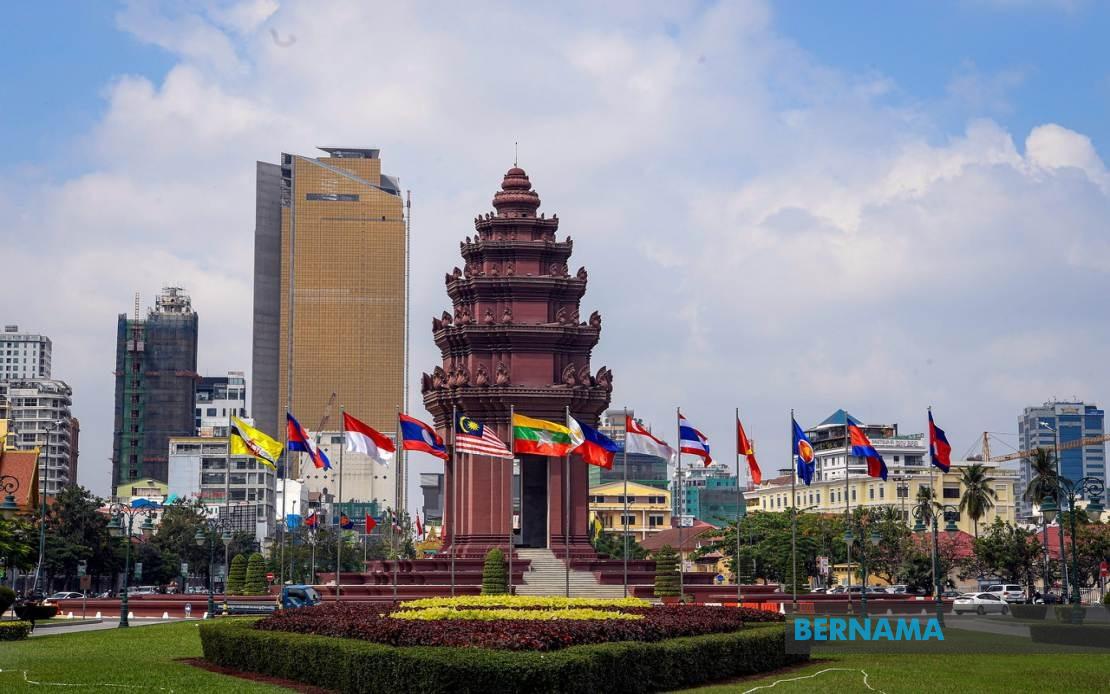
Regional developments across Southeast Asia are reshaping economic partnerships and governance structures as governments move swiftly on development and administrative reform. India has formalised its commitment to rural advancement in Cambodia through memoranda of understanding signed under the Mekong-Ganga Cooperation framework, targeting communities in Kratie Province with projects designed to improve agricultural productivity and living standards. This diplomatic move reflects India's renewed focus on strengthening ties with mainland Southeast Asia and demonstrates how cooperation frameworks beyond the traditional Association of Southeast Asian Nations structures are becoming increasingly important for channelling development assistance to underserved regions.
Cambodia's own institutional reforms are gaining momentum as the Civil Service Ministry undertakes a comprehensive overhaul of public administration systems. The modernisation initiative focuses on building professional capacity within government ranks while implementing digital technologies to streamline service delivery. This transformation signals recognition that effective governance depends not merely on policy frameworks but on robust institutional capability and the human capital required to operate modern administrative systems. For Malaysian observers, Cambodia's emphasis on digitalisation parallels similar efforts across the region and highlights the competitive pressure on all Southeast Asian governments to enhance public sector efficiency.
Indonesia's transportation sector is undergoing strategic expansion aimed at relieving congestion at major hubs. Transportation Minister Dudy Purwagandhi has endorsed plans to develop Lt. Col. Wisnu Airfield in Buleleng District as a northern Bali air transport hub, reducing the burden on Ngurah Rai International Airport. This infrastructure investment reflects Indonesia's ambitions to distribute tourism and commerce more evenly across archipelago regions rather than concentrating activity around Bali's primary gateway. For Malaysian stakeholders, the competition for regional tourism dollars means understanding how Indonesia's airport expansion strategy may influence visitor flows and investment patterns across Southeast Asia remains strategically important.
Indonesia simultaneously confronts serious governance challenges as the National Police formally designate Febrie Adriansyah, former Junior Attorney General for Special Crimes, as a suspect in corruption and money laundering investigations. This development underscores persistent concerns about institutional integrity within Indonesia's law enforcement and judicial systems, where high-profile prosecutions of senior officials generate public scrutiny about whether accountability mechanisms function effectively or remain vulnerable to selective enforcement. The case demonstrates how anti-corruption efforts remain contested terrain in Southeast Asian governance.
Myanmar's recent infrastructure achievements mark significant progress despite the country's complex political environment. The newly inaugurated Anisakan Airport in Mandalay Region provides improved connectivity that facilitates agricultural product distribution and investor access to northern regions. Complementing this transportation investment, the government has commissioned the 15-megawatt Shwemyoh solar power plant in Naypyidaw, addressing Myanmar's chronic electricity supply constraints. Expansion phases totalling 55 megawatts cumulatively indicate serious governmental commitment to renewable energy development, reflecting both technical sophistication and awareness of regional climate concerns.
The Philippines faces competing challenges as tropical weather patterns persist and political turbulence continues. The southwest monsoon has maintained rainfall over Luzon and Visayas even after Tropical Storm Inday departed the Philippine Area of Responsibility, illustrating the seasonal vulnerability affecting agricultural production and economic activity across the island nation. Simultaneously, the impeachment trial of Vice President Sara Z. Duterte has advanced through its opening stages, with prosecution panel members asserting that foundational evidence has been established during the first week of Senate proceedings. This constitutional drama reflects deeper political divisions while demonstrating that Philippine institutional mechanisms for accountability remain functional, however contentious the process may be.
Singapore's technological governance has extended to digital communication platforms as WhatsApp implements username features as part of privacy-focused product development. The platform's pre-emptive reservation of high-profile usernames associated with public figures and government entities reflects recognition that emerging digital infrastructure requires careful management to prevent impersonation and protect institutional integrity. This technical measure connects to broader regional discussions about balancing technological innovation with security and authenticity concerns.
Singapore's housing policy continues to address affordability challenges through executive condominium programmes. Over five years, authorities approved 845 appeals for income ceiling waivers among EC applicants exceeding specified thresholds, demonstrating flexibility within ostensibly strict eligibility frameworks. For Malaysian policymakers overseeing comparable affordable housing initiatives, Singapore's experience suggests that rigid income caps often require administrative mechanisms permitting exceptions, reflecting the reality that blanket income restrictions may exclude deserving applicants facing atypical financial circumstances.
Thailand's law enforcement has intensified efforts to combat transnational drug trafficking networks. Police have issued arrest warrants targeting alleged ringleaders of major heroin-smuggling operations that deployed creative concealment methods, including elephant-print bags, and recruited air hostesses as unwitting or knowing couriers to Australia. These enforcement actions reflect Thailand's frontline position in regional drug trafficking routes and its vulnerability as transit nation where criminal syndicates exploit geographic location and transportation networks.
Thailand's investigation into nominee arrangements has expanded across multiple locations as authorities probe suspected networks linking foreign ownership of tourism and property businesses to potential circumvention of local ownership requirements. Raids across Koh Samui and Koh Phangan revealed that single addresses allegedly served as registered locations for more than 100 companies, suggesting widespread use of nominee structures designed to obscure beneficial ownership. These investigations illustrate how Southeast Asian jurisdictions continue wrestling with regulatory gaps between official restrictions on foreign property ownership and market pressures driving creative corporate structuring.
Vietnam's authorities are investigating a tourist speedboat accident, underscoring ongoing safety concerns within the Southeast Asian maritime tourism sector. This incident joins a troubling pattern of preventable maritime disasters affecting regional vacation destinations, highlighting persistent challenges in enforcing safety standards and training protocols across tourism operators.
Collectively, these developments across Cambodia, Indonesia, Myanmar, Philippines, Singapore, Thailand, and Vietnam reveal a region simultaneously pursuing ambitious development goals while confronting persistent governance challenges. Infrastructure expansion and international cooperation efforts proceed alongside corruption investigations, climate vulnerability, and public safety concerns. For Malaysian observers, these parallel trends underscore how Southeast Asian development trajectories depend not simply on physical infrastructure investment but on institutional capacity, regulatory effectiveness, and political will to enforce accountability standards consistently.

