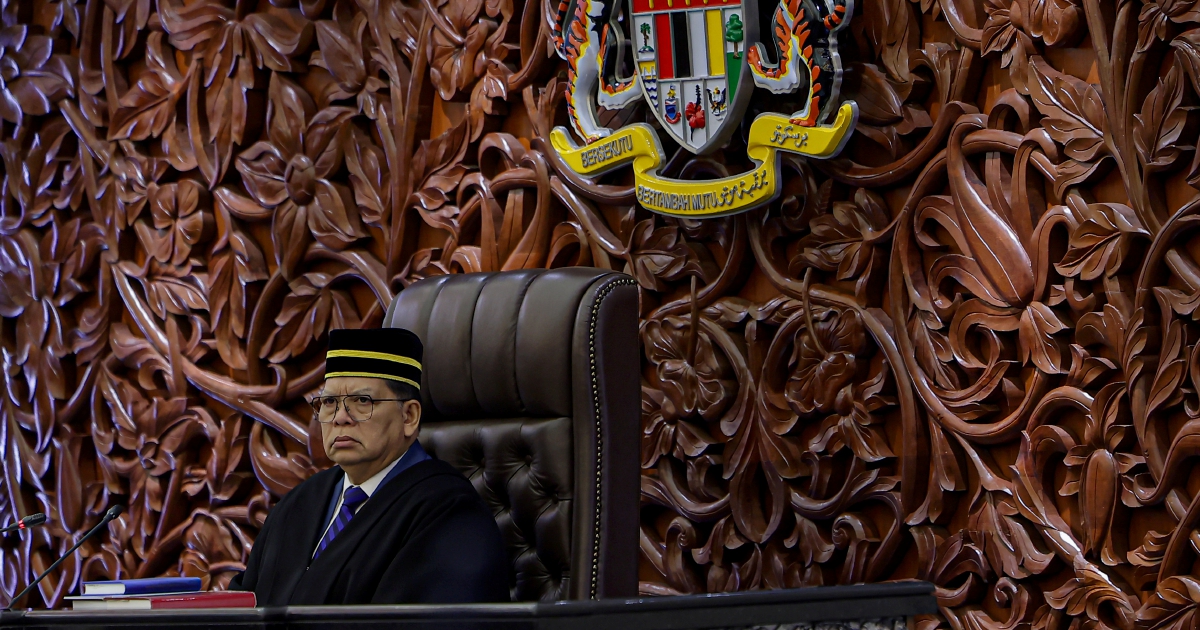
Parliament will receive a comprehensive account of findings from the Royal Commission of Inquiry into Tabung Haji when Minister in the Prime Minister's Department (Religious Affairs) Dr Zulkifli Hasan presents the investigation results during a special sitting scheduled for the coming week. This presentation marks a pivotal moment in addressing longstanding questions about Malaysia's largest Islamic savings institution and its management practices.
The Royal Commission of Inquiry was convened to investigate matters of concern at Tabung Haji, which serves as a critical financial intermediary for millions of Malaysian Muslims, particularly in facilitating savings for Hajj pilgrimage expenses. The institution has faced scrutiny in recent years regarding its investment strategies, fund management, and financial sustainability, issues that have affected countless account holders and their retirement security.
Tabung Haji's prominence in Malaysian Islamic finance cannot be overstated. As the world's largest Hajj savings institution, it holds substantial assets and manages contributions from ordinary Malaysians across all income levels. For many families, particularly those in rural and lower-income communities, Tabung Haji represents not merely a savings vehicle but a means to fulfil one of Islam's Five Pillars. Any operational deficiencies or management lapses therefore carry profound implications beyond mere financial metrics.
The decision to establish an RCI reflected government acknowledgement that persistent issues warranted independent, authoritative investigation. Such commissions carry significant procedural weight in Malaysia's governance framework, typically involving extensive public inquiries, expert testimony, and rigorous examination of institutional practices. The findings emerging from this process are thus expected to provide detailed insights into governance structures, financial decisions, and accountability measures at Tabung Haji.
For account holders and the broader Muslim community, parliamentary presentation of these findings represents a transparency measure addressing years of accumulated concerns. Questions have centred on investment performance relative to other savings instruments, management efficiency, and the adequacy of safeguards protecting member interests. The public nature of parliamentary disclosure ensures findings receive widespread scrutiny and media coverage unavailable through other institutional channels.
The timing of this parliamentary sitting also carries significance within Malaysia's political calendar. Special sittings convened to address specific inquiries or present critical findings indicate governmental priority assignment to these matters. Parliamentary presentation creates opportunities for cross-party questioning and debate, enabling legislators to probe findings and demand accountability from relevant officials and institutions.
Investigation findings will likely encompass recommendations for institutional reform. These may address governance restructuring, enhanced financial oversight mechanisms, investment policy adjustments, or changes to management accountability frameworks. The implementation pathway for these recommendations will substantially influence Tabung Haji's operational future and member confidence in the institution.
Beyond institutional matters, the RCI findings touch on broader questions of Islamic finance governance in Malaysia. Tabung Haji's management practices, regulatory oversight, and accountability structures serve as models or cautionary examples for other Islamic financial institutions operating domestically. Lessons emerging from this inquiry carry relevance for Shariah-compliant banking, Islamic insurance (takaful), and pension fund management across the sector.
Regional observers of Malaysian Islamic finance may also find the findings instructive. As Southeast Asia's largest Muslim-majority nation, Malaysia's approaches to Islamic financial institution governance influence broader regional development. Enhanced transparency and accountability measures at Tabung Haji could establish precedents applicable to similar institutions across the Association of Southeast Asian Nations (ASEAN).
For Dr Zulkifli Hasan's presentation, clarity in communicating complex findings to non-specialist parliamentary members will prove essential. The minister's capacity to distil investigation results into accessible, comprehensive briefing material will significantly influence parliamentary understanding and subsequent public comprehension. Media interpretation of findings will largely depend on how clearly government officials articulate key points during parliamentary proceedings.
Stakeholder reaction to the RCI findings will merit close observation. Account holders may respond based on whether recommendations address their concerns and restore institutional confidence. Political opposition may scrutinize findings for any indications of accountability failures or governance lapses. Financial analysts will assess implications for Tabung Haji's competitive positioning within Malaysia's savings and investment landscape.
The presentation next week represents conclusion of the formal investigation phase but commencement of an implementation phase. Subsequent weeks and months will reveal how thoroughly government and Tabung Haji management translate RCI recommendations into institutional practice. This transition from investigation to reform execution will ultimately determine whether the inquiry process delivers meaningful improvement in Tabung Haji's operations and member protection.
Parliamentary scrutiny of RCI findings will establish baseline expectations for institutional accountability. Legislators' engagement with findings and subsequent monitoring of implementation will signal broader parliamentary commitment to protecting public interest in major Islamic financial institutions. This oversight function reinforces democratic accountability mechanisms essential to institutional legitimacy and public confidence.

