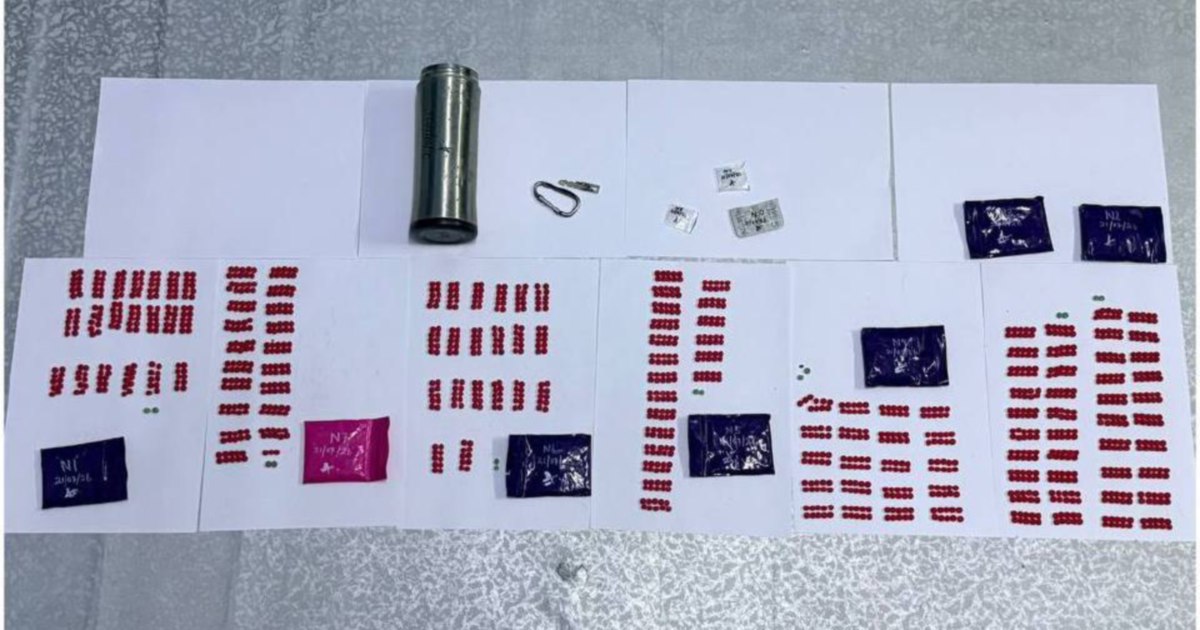
Drug enforcement authorities have apprehended several individuals during a coordinated series of raids, with one suspect notable for his extensive criminal history in narcotics offences. The arrested man carries six prior convictions related to drug crimes, marking him as a recidivist in an area where repeat offenders pose particular challenges to law enforcement agencies seeking to dismantle trafficking operations.
The multi-location enforcement operation, identified as part of the GOF initiative, demonstrates the continued focus by Malaysian drug control authorities on breaking drug supply chains that continue to fuel addiction and organised crime across the country. These raids form part of a broader strategy to target high-risk individuals and networks known to be involved in manufacturing, distributing, and trafficking controlled substances.
Repeat offenders with multiple convictions present unique challenges within Malaysia's drug enforcement landscape. Individuals with extensive criminal records often operate with greater sophistication than first-time offenders, employing tactics to evade detection and utilising established networks built over years of criminal activity. The capture of such an offender signals that authorities are successfully identifying and locating individuals who have previously served sentences yet returned to illegal activity upon release.
The GOF operation represents a coordinated enforcement approach that has become increasingly common among Malaysian law enforcement agencies. These multi-agency efforts typically involve collaboration between federal and state narcotics units, allowing authorities to conduct simultaneous raids across different jurisdictions and prevent suspects from escaping through state borders. Such coordination proves particularly effective against organised trafficking groups that operate across multiple states.
Criminal recidivism in drug offences remains a persistent problem throughout Southeast Asia. Released prisoners who return to drug-related activities within months of completing sentences strain rehabilitation systems and suggest that current intervention programmes may not adequately address underlying factors driving reoffending. Malaysia's approach increasingly emphasises early identification and intelligence gathering to intercept known offenders before they escalate their criminal activities.
The presence of multiple suspects across multiple locations during the raids suggests investigators had been monitoring an active trafficking network or distribution operation. Law enforcement agencies typically conduct such synchronized enforcement actions only after gathering sufficient intelligence to justify the operational resources required and to maximize the likelihood of disrupting an ongoing criminal enterprise.
Drug trafficking networks often reorganise quickly following enforcement operations, with remaining members attempting to fill leadership voids or relocate operations to different areas. The capture of experienced offenders like the individual with six prior convictions can potentially disrupt established supply chains by removing individuals with specialised knowledge, trusted relationships, and operational experience within criminal networks.
Malaysia's drug situation continues to demand sustained enforcement pressure, with synthetic drugs and new psychoactive substances adding complexity to control efforts. Repeat offenders often shift between different drug types depending on market demand and enforcement intensity, making their capture valuable for disrupting multiple aspects of the broader drug trade simultaneously.
The successful apprehension of individuals with significant criminal histories underscores the importance of comprehensive intelligence systems that track and monitor known offenders even after their release from custody. Malaysian authorities have increasingly invested in such systems, recognizing that prevention of reoffending offers returns on investment comparable to or exceeding those from capturing new offenders entering the drug trade.
These enforcement operations carry implications beyond the immediate arrests. They provide opportunities for authorities to gather intelligence about wider trafficking networks, identify suppliers and distribution channels, and potentially turn cooperating suspects into sources of information about larger criminal operations. The data gathered during such raids frequently leads to subsequent investigative leads and additional enforcement actions.
Public health experts and law enforcement officials increasingly acknowledge that enforcement alone cannot resolve Malaysia's drug challenges. However, removing experienced traffickers and organised crime operatives from circulation remains a critical component of comprehensive drug control strategies that also incorporate treatment, prevention, and harm reduction elements.
The GOF raids reflect resource commitments by Malaysian authorities to maintain pressure on drug supply networks despite the resource-intensive nature of such operations. Sustainability of these enforcement efforts depends on continued political will and adequate funding, factors that vary across different administrations and electoral cycles in the Malaysian system.

