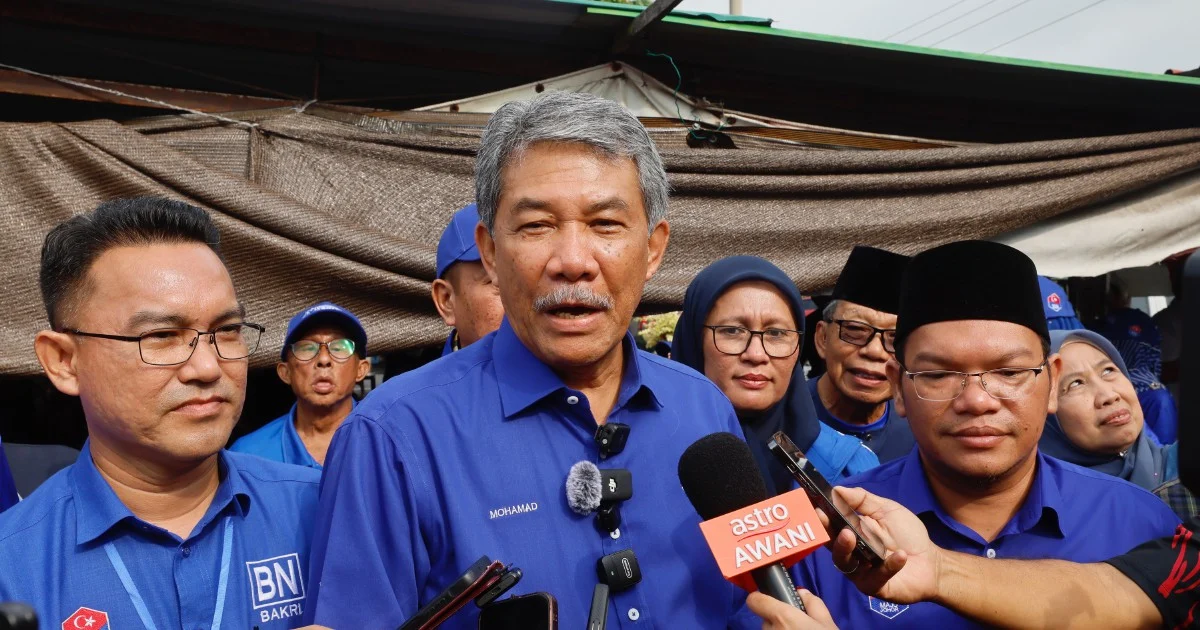
The political temperature in Malaysia has risen notably as Barisan Nasional deputy chairman Datuk Seri Mohamad Hasan issued a pointed challenge to DAP leader Nga Kor Ming over his recent statements regarding the Johor state election. Speaking in Muar, Tok Mat, as the BN figure is commonly known, delivered a forceful response that underscores deepening rifts within the country's coalition politics and suggests underlying tensions about regional electoral dynamics and governance responsibilities.
The exchange represents more than a routine political disagreement, instead revealing the fractured nature of Malaysia's multi-party system where coalition partners frequently find themselves at odds over state-level developments. Johor's electoral landscape has long carried strategic importance for both BN and the broader Malaysian political establishment, given the state's economic weight, population size, and historical significance as a traditional BN stronghold. Nga Kor Ming's comments, whatever their specific nature, appear to have struck a nerve within the coalition's leadership, prompting an unusually direct rebuke from one of BN's most senior figures.
Datuk Seri Mohamad Hasan's ultimatum reflects a hardening stance within the BN hierarchy toward what they perceive as overreach or inappropriate commentary from coalition partners, particularly the DAP. The demand for immediate resignation, if taken literally, represents an extraordinary escalation in intra-coalition disputes and signals that BN leadership views Nga's remarks as sufficiently serious to warrant such drastic measures. This approach contrasts with Malaysia's typical diplomatic handling of disagreements within ruling coalitions, where face-saving mechanisms and quiet negotiations have historically managed tensions.
The Johor election itself has become a focal point for broader questions about political stability in Malaysia's most developed state outside of the federal territories. BN's performance in Johor carries implications for national-level politics, party morale, and the viability of current coalition arrangements. When senior figures like Nga Kor Ming speak publicly about these elections, their words carry weight beyond mere commentary, potentially influencing voter perceptions, party discipline, and the delicate balance of power within the ruling coalition.
For Malaysian observers and political analysts, this confrontation illuminates the structural weaknesses inherent in coalition governance, particularly when partners have divergent interests or ideological positions. The DAP, as a primarily Chinese-based party with significant urban support, sometimes finds itself at loggerheads with BN's more traditional, Malay-centric components over state-level priorities and election strategies. These differences occasionally boil over into public disputes that can undermine coalition coherence and provide ammunition to opposition parties.
The timing and venue of Tok Mat's remarks in Muar also merit consideration, as Muar itself is a significant Johor constituency with its own electoral history and political dynamics. Speaking in this location amplifies the message to local stakeholders and demonstrates that BN's leadership is directly engaged in state-level political conversations. This ground-level engagement contrasts with purely national-level politics and suggests that the coalition views the Johor situation as demanding sustained attention from its highest echelons.
Nga Kor Ming's position within Malaysian politics encompasses his role as a DAP leader and his representation of Chinese-majority constituencies with distinct policy priorities and concerns. When such figures make public statements about state elections or coalition matters, they navigate complex terrain between their party's base expectations, coalition solidarity requirements, and broader national political considerations. Tok Mat's challenge suggests that the BN leadership believes Nga has overstepped appropriate boundaries in some way, whether through criticism of BN's Johor strategy, comments on electoral outcomes, or other related remarks.
The broader implications of this exchange extend to the stability of Malaysia's current political arrangement. Coalition governments require managed disagreements and internal cohesion mechanisms that allow partners to coexist despite differences. When senior figures publicly demand resignations, the underlying message concerns partnership viability and the costs of dissent. This dynamic can influence how other coalition members calculate their own positions and whether they choose to voice concerns publicly or suppress them to maintain unity.
For Southeast Asian observers watching Malaysian politics, this incident exemplifies the challenges faced by nations with multi-party coalitions sharing power. The region contains several countries attempting similar arrangements, and Malaysian experiences provide both cautionary tales and instructive examples about managing diversity within governing structures. The Johor election and related political disputes demonstrate how regional dynamics can intersect with national stability concerns, requiring careful navigation by political leaders.
Moving forward, the resolution of tensions between Tok Mat and Nga Kor Ming will likely depend on behind-the-scenes negotiations and whether DAP leadership can negotiate acceptable terms or clarifications regarding the disputed comments. The DAP's decision about whether to demand Nga's resignation or publicly defend him will signal the party's confidence in their coalition position and their willingness to assert independence from BN pressure. Such decisions shape not only immediate political outcomes but also longer-term perceptions about coalition durability and each partner's relative power within the governing structure.

