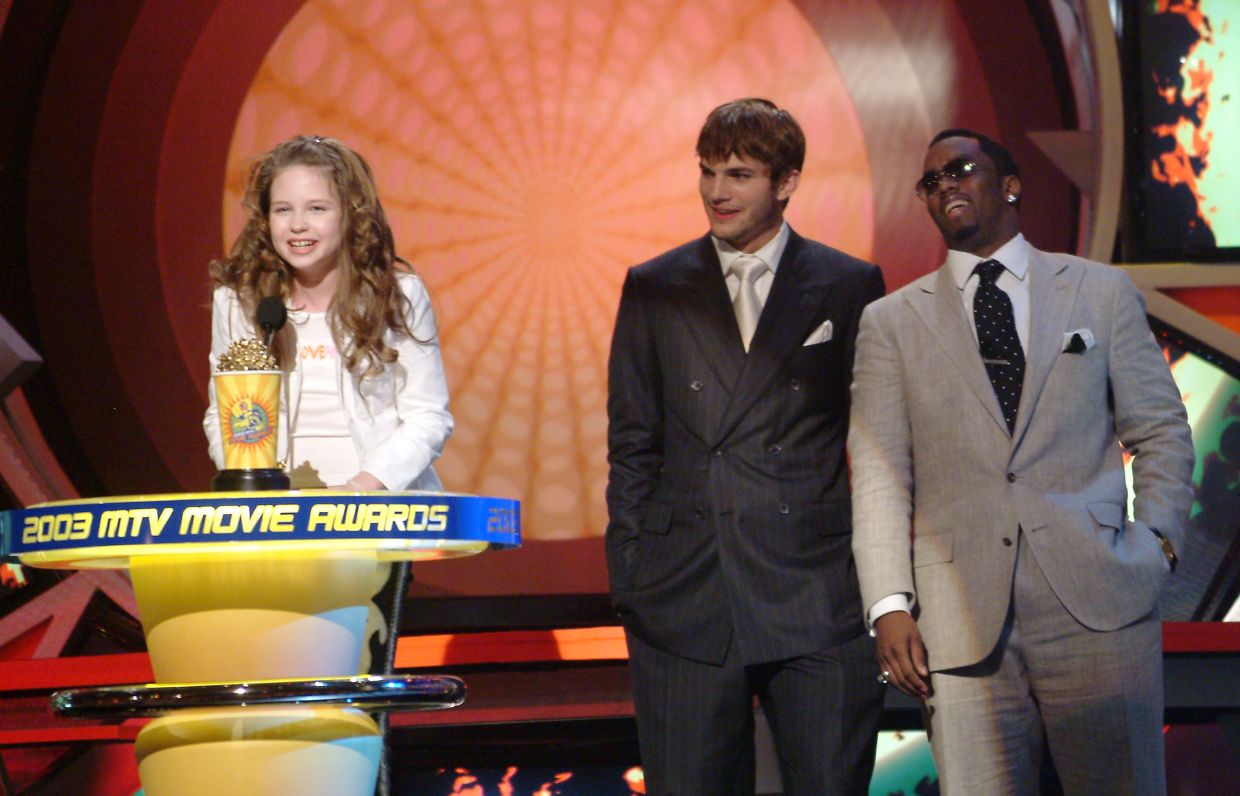
An old video clip from the 2003 MTV Awards has resurfaced online in the wake of actress Daveigh Chase's passing, showing music mogul Sean "Diddy" Combs extending an invitation to the then-12-year-old performer to attend an exclusive party. The footage has renewed public scrutiny of Combs at a moment when he faces mounting legal challenges, including a lengthy prison sentence handed down after a high-profile federal conviction earlier this year. The timing of the video's circulation underscores the deepening reputational crisis surrounding the disgraced entertainment figure, whose career has imploded spectacularly over the past year.
Chase, best known for her role as the supernatural antagonist Samara Morgan in the horror film "The Ring," died on June 16 at Cedars-Sinai Medical Center in Los Angeles at the age of 35, according to her father John Schwallier. The circumstances of her death reveal a tragic final chapter to her troubled later years. She succumbed to complications arising from bacterial meningitis and a blood infection, conditions compounded by severe malnutrition. At the time of her death, Chase was experiencing homelessness and struggling with substance abuse, living in proximity to the hospital where she would ultimately pass away.
The MTV Awards moment in question captures Combs approaching Chase moments after she had received a Best Villain trophy for her portrayal of Samara Morgan. Actor Ashton Kutcher shared presenting duties with Combs for the award presentation. In the recovered clip, Combs can be observed holding a drink as he leans toward the young actress and asks whether she intends to attend the evening's afterparty. Chase's affirmative response prompts an enthusiastic reaction from Combs, who exclaims approval while Kutcher appears to laugh off the exchange. The brief interaction, unremarkable at the time, now invites uncomfortable retrospective analysis given subsequent revelations about Combs' conduct.
The arrest of Combs in September 2024 marked the beginning of his dramatic fall from grace. Federal agents apprehended the 55-year-old rap mogul at the Park Hyatt Hotel in Midtown Manhattan, initiating a legal process that would expose the full scope of his alleged misconduct. The subsequent investigation and trial unveiled extensive allegations centred on what authorities described as "freak-off" parties—multi-day events reportedly characterised by excessive drug consumption and organised sexual activity frequently involving sex workers. These gatherings allegedly occurred at various locations and represented a systemic pattern of behaviour spanning years.
The legal ramifications for Combs proved severe. In July 2025, a federal jury in New York found him guilty of two counts of transportation to engage in prostitution following an extensive trial focused on sex trafficking allegations. The conviction carried substantial sentencing consequences. In the months following the guilty verdict, the court imposed a 50-month prison sentence, effectively removing Combs from society for more than four years. He is currently incarcerated at FCI Fort Dix, a federal correctional facility in New Jersey, where he will serve his sentence.
Beyond the criminal conviction, Combs faces an expansive civil litigation landscape. More than 100 civil lawsuits have been filed against the music entrepreneur, allegations stemming from various parties who claim misconduct and harm. This extraordinary volume of civil actions suggests allegations extending beyond the specific counts on which he was criminally convicted, encompassing a broader range of alleged wrongdoing across multiple years and contexts. The civil suits collectively represent potential financial exposure running into hundreds of millions of dollars, though settlement negotiations remain ongoing for many cases.
For Southeast Asian audiences and Malaysian readers particularly, this case serves as a cautionary tale about power dynamics within entertainment industries globally. Combs' trajectory from celebrated music executive and lifestyle icon to convicted felon underscores how institutional structures sometimes shield powerful figures from accountability until systematic abuse becomes impossible to ignore. The resurfaced video, though depicting a seemingly innocuous moment, gains sinister undertones only in retrospective light—highlighting how predatory behaviour often operates within plain view, normalised by proximity to celebrity and wealth.
The death of Chase at a relatively young age, coupled with the documented struggles with homelessness and addiction preceding her passing, adds poignant context to the broader narrative. While no direct causal connection has been established between her early life experiences in Hollywood and her later difficulties, the contrast between her childhood prominence and adult hardship reflects patterns frequently observed among child performers navigating an industry often characterised by exploitation and insufficient protections.
Combs' conviction and imprisonment represent a significant moment in broader reckoning within entertainment industries regarding sexual exploitation and trafficking. The high-profile nature of his case, combined with substantial media coverage, has intensified public awareness regarding systemic vulnerabilities that enable abuse, particularly affecting young performers and those lacking protective networks. The case has prompted discussions among industry bodies regarding safeguarding protocols and oversight mechanisms.
For viewers and industry observers in Malaysia and the region, the Combs saga illustrates the importance of robust regulatory frameworks protecting performers, particularly minors. Many Southeast Asian entertainment industries continue developing institutional responses to safeguarding concerns, and international cases like this provide instructive examples of both systemic failures and the eventual accountability mechanisms that function when allegations accumulate sufficient weight and legal resources align.
The resurfacing of this particular video, though depicting a moment that seemed innocuous in 2003, serves contemporary purposes in cultural memory and historical reckoning. It documents a specific interaction between a powerful adult and a child performer that, while not inherently criminal as captured, has gained new meaning within the comprehensive narrative of Combs' eventual exposure and conviction. Such archival moments, now retrievable through digital platforms, create permanent records accessible for reexamination, fundamentally altering how audiences contextualise interactions previously considered unremarkable.