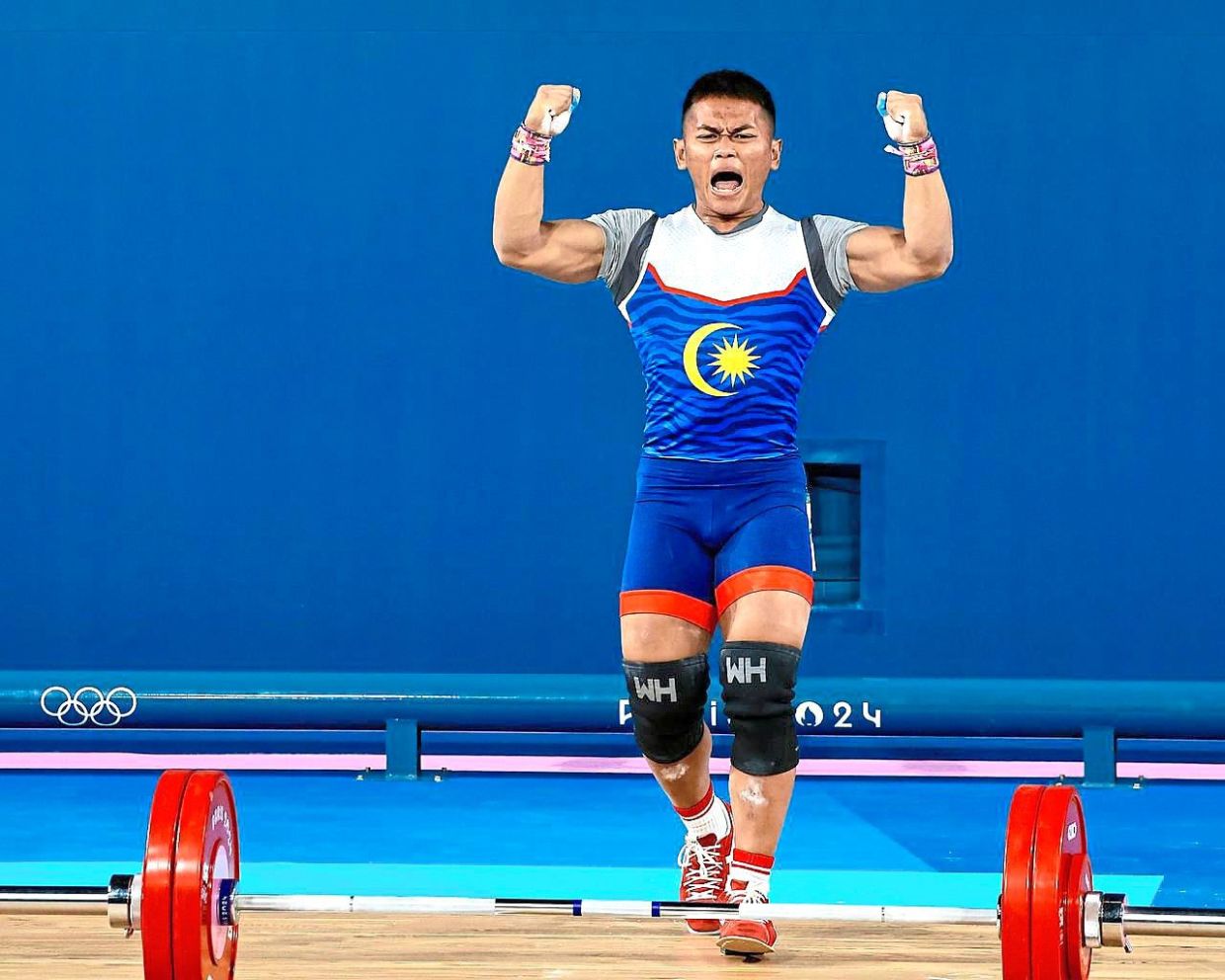
The Malaysian weightlifting team's commanding display at last month's Glasgow Commonwealth Games has triggered substantial financial backing from the federal government, with the Youth and Sports Ministry committing an extra RM1 million towards the sport's long-term development and expansion. This significant injection of resources signals growing confidence in weightlifting's potential as a medal-generating discipline for the nation, particularly as Malaysia seeks to consolidate gains in strength sports across the Southeast Asian region.
Minister Dr Mohd Taufiq Johari announced the funding package following constructive consultations with the Malaysian Weightlifting Federation and the National Sports Council, both of whom have outlined comprehensive strategies for nurturing talent from grassroots level upwards. The decision reflects a deliberate shift towards investing in sports that have demonstrated clear capacity to deliver international success, with weightlifting emerging as one of Malaysia's most productive medal sources at Commonwealth competition.
The Glasgow performance was nothing short of exceptional by regional standards. Malaysia's weightlifting contingent secured five gold medals alongside one silver and one bronze, positioning them as the nation's leading contributor to the overall medal tally at the Games. This outsized impact becomes even more apparent when considering that Malaysia finished the competition with eight golds, three silvers and five bronzes across all sports—meaning weightlifting alone accounted for more than half of the gold medal count and demonstrated the sport's disproportionate strength within the Malaysian sporting apparatus.
Beyond the immediate cash allocation, the ministry has committed to upgrading the Rompin weightlifting training facility with ambitions to transform it into a dedicated Sports Centre of Excellence. This infrastructure development addresses a critical bottleneck in athlete preparation, providing world-class training amenities that can attract and retain top international coaching expertise. Such facilities are essential for competing against weightlifting powerhouses from Australia, New Zealand and other developed Commonwealth nations that maintain sophisticated training ecosystems.
Recognising that female weightlifters represent an area of particular potential and relative underdevelopment, the government has pledged to deploy a full-time coach permanently stationed at Rompin with explicit responsibility for developing women athletes. This gender-focused approach aligns with broader international trends in weightlifting, where women's competition has expanded dramatically over the past decade and presents fresh medal opportunities for countries willing to invest in female talent pipelines. For Malaysia, where female sports development has historically received less attention than men's programmes, this commitment signals a meaningful policy reorientation.
The Ministry and NSC have agreed to expand athlete quotas under the national development programme following the conclusion of the Malaysia Games, with selection prioritising competitors demonstrating both raw potential and adherence to established benchmarking criteria. This structured approach prevents the common problem of funding dispersal through patronage rather than merit, ensuring that resources concentrate on athletes most likely to deliver future Commonwealth and international success. The timing of quota expansion after Sukma allows selectors to identify emerging talent from the domestic competition and fast-track promising individuals into higher-level preparation.
Dr Taufiq's public statements emphasise that these measures constitute far more than celebratory gestures responding to Glasgow's medals. Instead, he framed the investment as foundational infrastructure for a sustained weightlifting ecosystem capable of competing at the highest levels for years ahead. This long-term perspective suggests the government perceives weightlifting not as a flash success but as an established discipline with structural capacity for continued excellence, worthy of sustained financial commitment alongside traditional medal sports.
For Malaysian sports administration, the weightlifting boost reflects broader recognition that disciplined talent development in niche sports often yields superior returns on investment compared to mass-participation approaches. Weightlifting's relatively small athlete pool and highly structured training requirements mean that focused resources can cultivate world-class performers more efficiently than dispersing funding across numerous sports and athletes with mixed potential. This economic logic increasingly influences funding decisions in Southeast Asian sports ministries.
The Commonwealth Games context adds particular significance to this Malaysian investment. As weightlifting's presence and profile within Commonwealth competition has grown, nations that failed to develop pipelines over the past decade now find themselves uncompetitive in a suddenly prestigious arena. Malaysia's Glasgow success positions the country favourably for upcoming Commonwealth Games cycles, assuming the government sustains funding through inevitable medal fluctuations and maintains technical and coaching standards. Regional rivals such as India and Pakistan also invest heavily in weightlifting, making continuous improvement essential to preserve Malaysia's competitive standing.
The decision also carries implications for Malaysian athletes in other strength sports and combat disciplines that might seek comparable support based on competitive performance metrics. Setting a precedent that Commonwealth Games medals trigger substantial funding increases could encourage expansion of sports development strategies beyond traditional football and badminton, fostering healthier competitive diversity within the national sporting portfolio. However, it also establishes expectations that government funding should follow results, potentially creating pressure on sports administrators to deliver medals regardless of capacity or realistic timelines.

