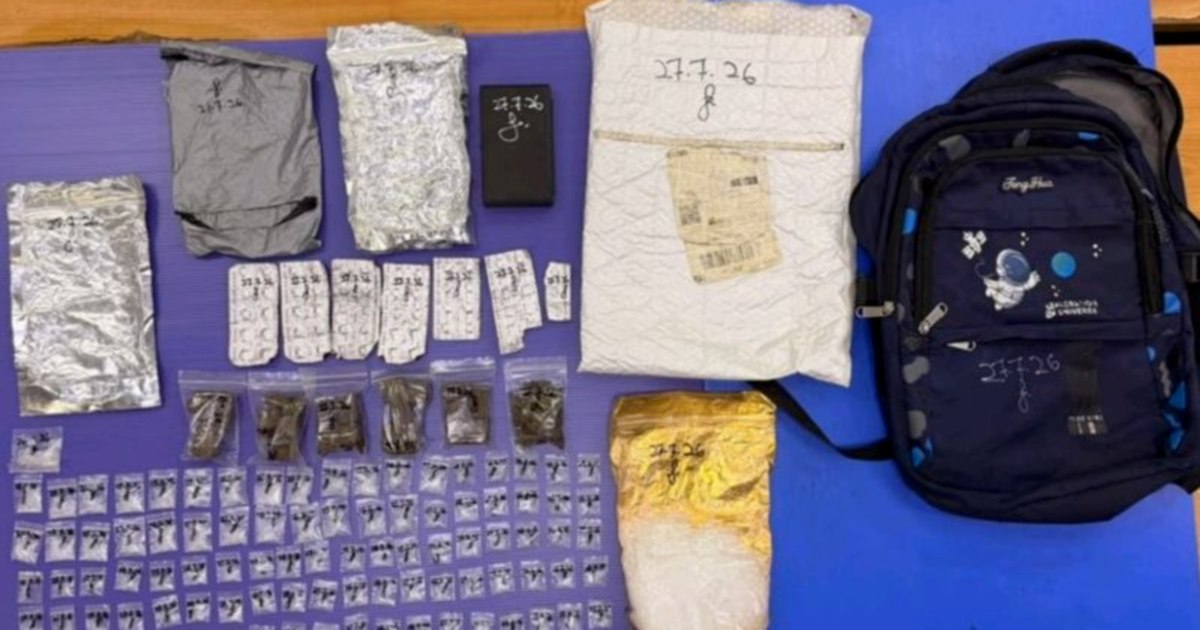
Police in Pahang have dismantled another layer of the region's drug supply network following the arrest of a suspected dealer in Bera yesterday, with subsequent searches uncovering a substantial cash haul believed linked to trafficking operations. The initial apprehension saw officers seizing drugs valued at RM21,500 on the suspect, but the discovery of nearly RM100,000 in cash during a follow-up raid at his residence in Felda Tembangau suggests the investigation may extend far beyond a single operational bust.
The seizure of such a significant amount of cash relative to the drugs recovered indicates law enforcement's intensifying focus on dismantling the financial infrastructure that sustains organised drug networks across Malaysia. Drug trafficking investigations increasingly hinge on asset tracing and financial analysis, as smuggling operations depend on sophisticated money laundering mechanisms to legitimise proceeds and fund further activities. The gap between the street value of narcotics seized and the cash recovered points to either accumulated profits from prior transactions or illicit funds earmarked for future procurement operations.
For Malaysian readers, such arrests underscore the persistent challenge authorities face in combating drug distribution within both urban and semi-rural communities. Felda settlements, which house tens of thousands of families across Peninsular Malaysia, have occasionally featured in drug enforcement operations, suggesting that trafficking networks exploit relatively accessible locations with dispersed populations to conduct transactions. The Bera case reflects broader enforcement patterns where police prioritise dismantling supply chains rather than pursuing isolated consumer-level cases.
The recovery protocol employed—initial arrest followed by coordinated property searches—represents standard narcotics enforcement methodology designed to preserve evidence and prevent suspect accomplices from removing assets or destroying documentation. The speed and coordination of such operations depend on intelligence gathering and surveillance, suggesting police had developed prior awareness of this suspect's activities before executing the formal arrest. Intelligence-led policing approaches have become central to Malaysia's drug enforcement strategy, particularly given the sophisticated nature of contemporary trafficking organisations.
The scale of this seizure carries implications for understanding narcotics economics in Southeast Asia. Malaysia remains both a consumption market and a transit hub for drugs destined for regional distribution, with methamphetamine, heroin, and fentanyl representing particular enforcement priorities. Dealers operating at the mid-tier level typically manage cash reserves exceeding the value of drugs they hold, particularly when authorities pressure street-level distributors and force price increases. The RM100,000 recovered likely represents profit margins accumulated across multiple trafficking cycles rather than a single transaction.
For the Felda Tembangau community specifically, the arrest addresses immediate public safety concerns whilst potentially revealing whether local drug problems stem from resident-based distribution or external suppliers using the settlement as a distribution point. Felda communities, often characterised by lower average incomes compared to urban centres, sometimes experience heightened vulnerability to drug-related problems when organised traffickers exploit economic circumstances. Enforcement operations signal to residents that authorities maintain active investigation capacity, though community-based prevention initiatives remain essential complements to enforcement alone.
The investigation's trajectory from arrest to asset seizure typically continues beyond the initial raid phase. Police forensic teams will likely examine the suspect's communications records, financial transactions, and associations to identify upstream suppliers and downstream distribution networks. Drug trafficking prosecutions increasingly incorporate money laundering charges and asset forfeiture proceedings, expanding conviction consequences beyond simple possession or trafficking offences. The RM100,000 may face civil forfeiture proceedings independent of criminal charges, with funds potentially directed toward anti-narcotics programmes.
Regional context matters significantly here. Malaysia's position within Southeast Asia's drug trafficking landscape means local enforcement successes contribute to broader regional security efforts. The Golden Triangle and Golden Crescent remain primary source regions for opioids and methamphetamine destined for Malaysian markets, whilst synthetic drug manufacturing facilities across the region supply expanding consumer bases. Individual busts like the Bera case, multiplied across numerous enforcement agencies and jurisdictions, gradually increase risk profiles for trafficking organisations and disrupt supply chain reliability.
Looking forward, this case demonstrates law enforcement's capacity to respond to intelligence and execute coordinated operations, though sustained success requires ongoing investment in surveillance capabilities, forensic analysis, and interstate intelligence sharing. Malaysia's anti-drug strategy emphasises prevention, treatment, and rehabilitation alongside enforcement, recognising that supply-side interventions alone cannot address demand-driven markets. Community vigilance and tip-offs from residents remain valuable intelligence sources, particularly in semi-rural areas where unusual activity patterns may prove more noticeable than in dense urban environments.
The investigation continues beyond the initial seizure, with police likely pursuing additional charges and pursuing leads into broader trafficking networks. Such enforcement activities, when publicised effectively, serve deterrent functions for potential dealers whilst reassuring communities that authorities maintain active presence and investigative capacity.

